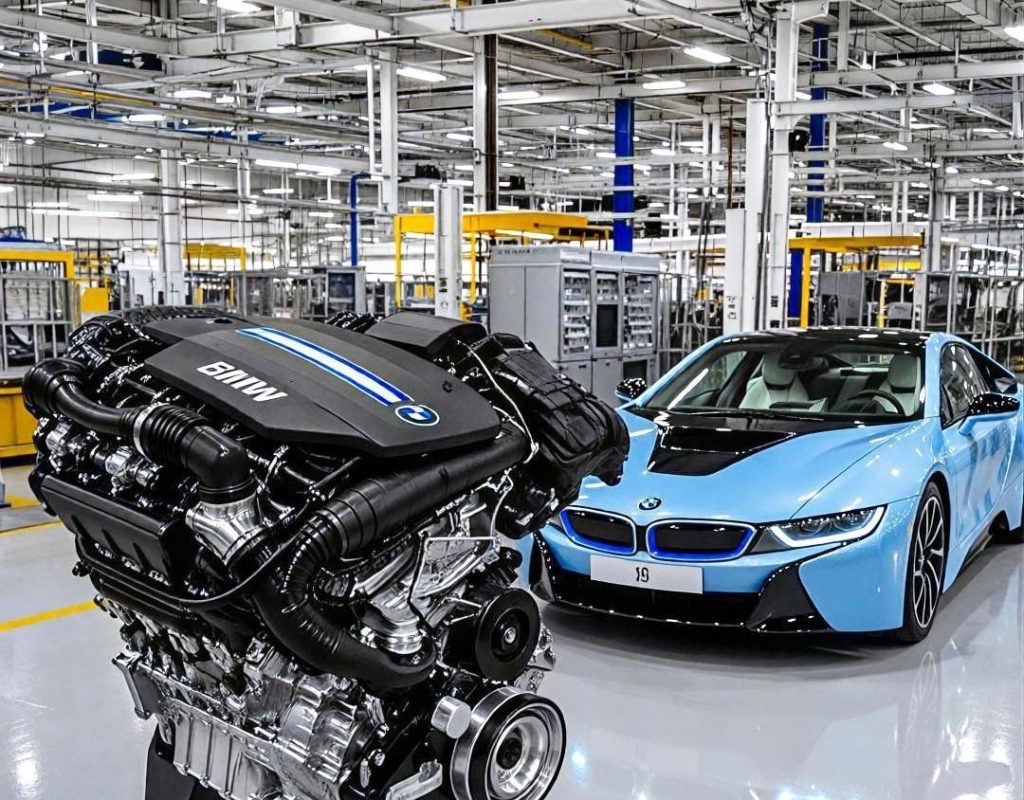
BMW Group has reportedly reached a new milestone in its electric push: series production of its sixth-generation high-voltage batteries began at the Shenyang site in China on October 15, 2026.
For the German premium carmaker, the start of production goes beyond a factory announcement. It points to a broader effort to get more out of its electric vehicles, shorten the time spent at chargers and build out its worldwide battery manufacturing footprint. The Gen6 technology is being developed to underpin the company’s upcoming electric models under the Neue Klasse programme.
The most notable gain tied to Gen6 is how much energy its cells can hold for their size. The new cylindrical cells reportedly deliver more than 20 per cent higher energy density than the previous generation’s. In practical terms, that could allow BMW to build electric cars that travel farther or that use the space allotted to the battery more intelligently.
Charging is the other headline. The technology is designed to replenish up to 30 per cent faster than its predecessor. For drivers who cover long distances or rely on public chargers, that could make electric ownership noticeably less of a hassle.
A caveat applies, though. Real-world charging times and range will vary with the specific model, the charging equipment used, the temperature of the battery and other operating conditions, so the headline figures should not be read as guarantees for every car.
Why Shenyang Matters to BMW’s Global Battery Strategy
Starting series production in Shenyang underlines how central China has become to BMW’s electric plans. The country is among the largest EV markets anywhere, and it also serves as a major hub for battery production and automotive innovation.
By growing its battery output there, BMW aims to reinforce its supply chain and ensure it can support the manufacture of its next wave of electric vehicles. The step also reflects a wider truth about the industry: battery technology has become one of the main arenas in which automakers compete as the EV market evolves at speed.
For BMW, the task ahead is twofold. It must keep improving battery performance while holding manufacturing efficiency in check, all while facing pressure from both long-established car brands and dedicated EV makers.
What Gen6 Means for the Neue Klasse Lineup
The Neue Klasse programme represents a sweeping overhaul of BMW’s electric range, built around a new vehicle architecture, upgraded battery technology and advanced digital systems. The sixth-generation batteries are meant to sit at the centre of that shift.
Greater energy density could let engineers make better use of the room available for the battery pack, while quicker charging could cut the time drivers spend waiting at a station. Together, these gains may help BMW win over buyers who still hesitate because of worries about range, charging convenience and what electric ownership is really like day to day.
BMW Wins Global New Energy Vehicle Technology Award In China
Still, what customers actually get will hinge on how the technology is integrated into each individual production model.
The global auto industry is in the middle of a major transformation, with manufacturers pouring billions into electric vehicles, battery development and charging infrastructure. BMW’s Gen6 programme forms part of its answer to that change.
As rivalry grows fiercer, carmakers are expected to deliver vehicles that pair longer range and faster charging with appealing design and competitive pricing. BMW’s choice to expand next-generation battery production in China shows how much weight it places on manufacturing strength and technical innovation.
The real test, however, will be how well these new batteries translate into better cars for customers.
The reported start of Gen6 production in Shenyang is a meaningful step in BMW’s electric mobility strategy. With energy density more than 20 per cent higher and charging potentially up to 30 per cent quicker than the previous generation, the technology could improve both the performance and the convenience of future BMW EVs.
As the Neue Klasse programme moves forward, attention will shift to the production models that adopt Gen6 and the everyday benefits they bring to drivers. BMW’s next challenge is clear: turn these battery advances into electric vehicles that are more convenient, more efficient and more capable in an increasingly crowded market.