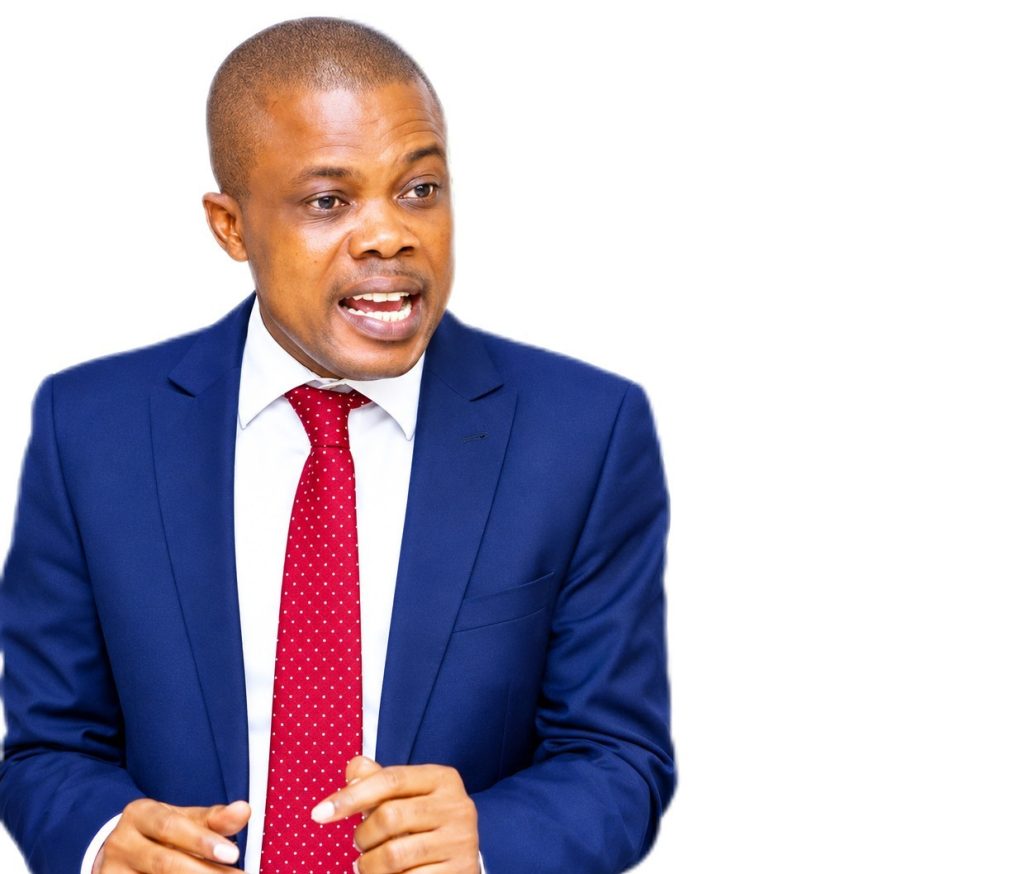
Every day, a plethora of political commentators go to media outlets to express their opinions on a variety of subjects, including the economy. However, according to Security Risk Consultant Richard Kumadoe, there is a problem despite the fact that the opposition and the ruling parties in Ghana engage in daily radio and television debates over popular economic problems. He says some of them frequently spread false information.
In an effort to encourage ethical broadcasting, he has urged Ghanaian media outlets to implement more stringent fact-checking procedures for those invited to take part in radio and television debates.
Before permitting panelists and invited resource people to use their platforms to disseminate information to the public, Kumadoe argues that media outlets should be more accountable for confirming the veracity and truth of their claims.
According to Mr. Kumadoe, such a mechanism would deter people from purposefully misleading audiences, making unsupported assertions, or disseminating inaccurate information during live debates.
The security consultant was especially concerned about the dissemination of false information during weekend radio and television shows, particularly on Saturdays and Sundays.
He proposed that by implementing appropriate fact-checking protocols, panelists would be more cautious about the information they divulge since they would know that their statements might be examined and validated.
His stance raises issues with the increasing propensity of certain public figures, political pundits, and invited guests to make contentious claims without offering solid proof to back them up.
According to Kumadoe’s proposal, media owners, program producers, editors, and presenters must make sure that their platforms are not being used to disseminate false information.
Jon Germain Hits 30 Years In Media – Exclusive Reflections
The quality of public discourse could be enhanced by fact-checking visitors, confirming their statements, and disputing dubious claims during conversations.
Additionally, it might boost public trust in Ghana’s media sector and promote more responsible engagement in national and political discourse.
Discussions on radio and television continue to be crucial for educating the public, analyzing governmental policies, and keeping public leaders responsible.
However, it can confuse audiences, widen political divides, and erode public trust in the media when erroneous material is consistently presented as fact.
Thus, Kumadoe’s appeal contributes to the broader discussion on media ethics, responsible journalism, and the necessity of more stringent editorial standards in Ghana.
In the end, encouraging a more responsible and trustworthy broadcasting environment may require making sure that panelists and invited resource people are held accountable for their remarks.