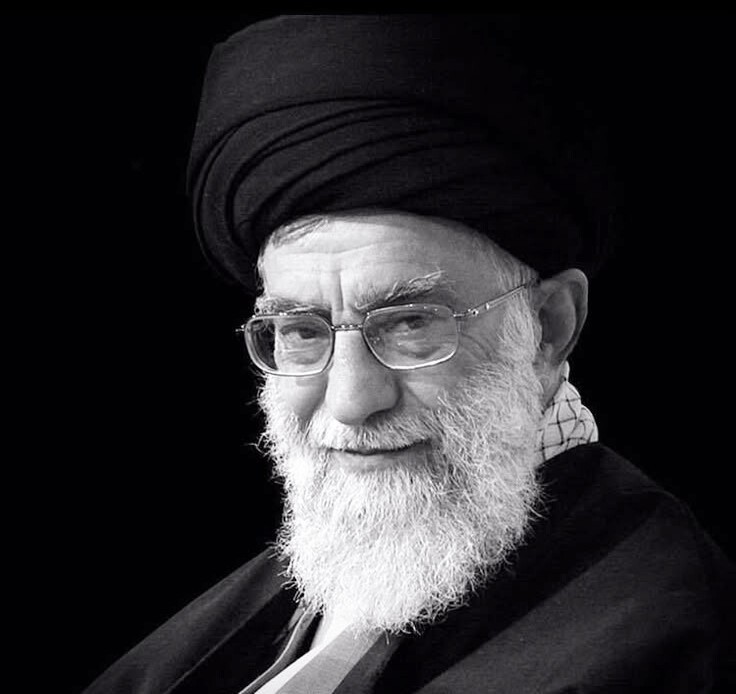
Ayatollah Ali Khamenei, Iran’s Supreme Leader since 1989, was killed on February 28, 2026 (local time in Iran), during a major joint military operation by the United States and Israel. This has been confirmed by the U.S. President Donald Trump, Israeli officials, and international news organizations like CNN, BBC, Reuters, The Washington Post, and The Guardian.
How and Why He Was Killed:
He was killed in an Israeli airstrike (part of the coordinated U.S.-Israeli campaign) on his compound/office in Tehran. Reports specify he was struck while working in his office early Saturday morning. The attack also killed family members (including his daughter, grandchild, daughter-in-law, and son-in-law) and other high-ranking officials, such as senior IRGC commanders, the defense minister, and security advisers.
This occurred amid a large-scale U.S.-Israeli military operation explicitly aimed at regime change in Iran. President Trump described it as targeting the leadership to achieve “peace throughout the Middle East” and called Khamenei “one of the most evil people in history.”
The strikes followed weeks of lobbying by Israel and allies (including Saudi Arabia), escalating from prior tit-for-tat conflicts involving Iran’s support for proxies like Hezbollah and Hamas, nuclear program concerns, and recent regional attacks.
The operation (referred to in some reports as “Operation Epic Fury” or similar) involved airstrikes on Iranian military, nuclear, and government targets.
Trump announced Khamenei’s death on Truth Social, framing it as “justice” and urging Iranians to overthrow the regime, calling it their “greatest chance” for freedom.
Claims Emerge Of Khamenei’s Death After Joint U.S.–Israeli Attack
However, Iranian state media described his death as “martyrdom” in a “joint attack by the criminal United States and the Zionist regime.” Iran declared 40 days of mourning, public holidays, and launched massive retaliatory missile and drone strikes on Israel, U.S. bases, and Gulf states (including the UAE, leading to incidents near the Burj Khalifa area as previously discussed).
This marks a dramatic escalation in the Middle East conflict, with ongoing strikes, regional instability, and uncertainty over Iran’s succession process. The situation remains highly fluid—authorities in affected areas urge caution, and further developments are expected rapidly.