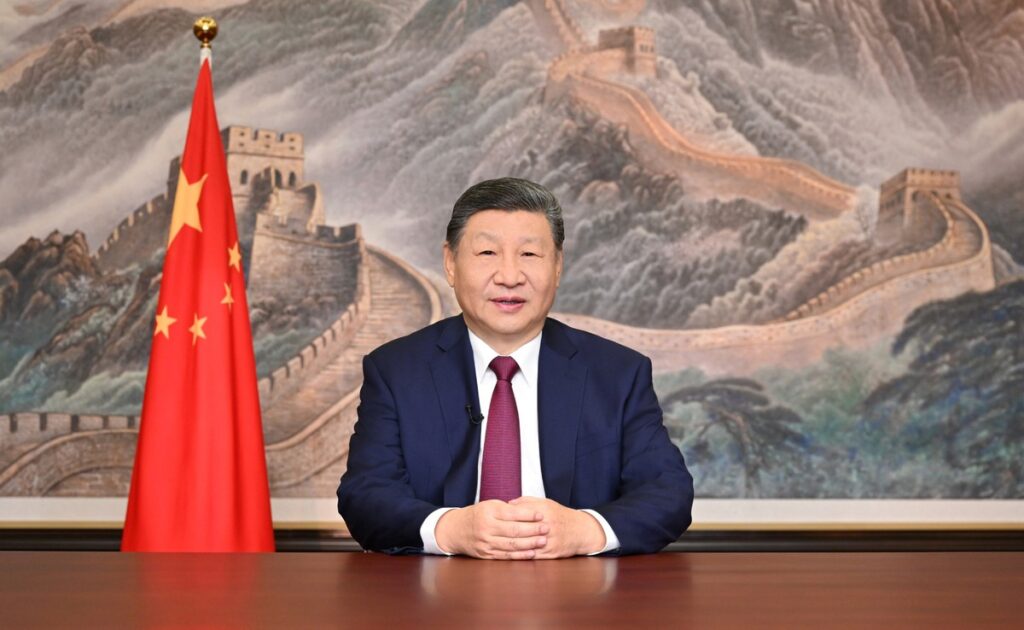
Chinese President Xi Jinping has announced that China will implement zero-tariff treatment on all imports from the 53 African nations that maintain diplomatic relations with Beijing, effective May 1, 2026.
This sweeping policy covers 100% of tariff lines — meaning every product category — granting duty-free access to one of the world’s largest consumer markets. It represents a significant expansion of China’s earlier arrangements, which extended zero-tariff status to only 33 of the continent’s least-developed countries.
The new policy is unilateral: African nations are not required to offer China reciprocal duty-free access in return. That distinction matters. It lowers the barrier to entry for a wide range of goods — from agricultural products and processed foods to textiles and manufactured items — categories that have historically struggled to compete in tariff-burdened markets.
Analysts project the move could push annual China-Africa bilateral trade beyond $400 billion, while supporting broader industrialization goals across the continent. For exporters of goods like cocoa, shea butter, coffee, or light manufactured products, the practical impact could be substantial: no import duties when selling into China, making African goods more price-competitive against suppliers from other regions.
One Country Left Out:
The policy covers 53 of Africa’s 54 recognized sovereign nations. The sole exception is Eswatini (formerly Swaziland), which maintains formal diplomatic ties with Taiwan rather than the People’s Republic of China — putting it outside the scope of Beijing’s “One China” policy and, by extension, this trade arrangement.
The announcement comes at a moment of uncertainty for African exporters relying on Western trade frameworks. The United States’ African Growth and Opportunity Act (AGOA) — long a pillar of preferential U.S.-Africa trade — faces an unclear future, leaving exporters in search of alternative pathways to major markets.
China’s move fills that gap directly. African governments, trade bodies, and economic analysts have broadly welcomed it as a structural shift in the continent’s trade relationships, not merely a symbolic gesture.
What Exporters Should Know
Beyond tariff elimination, China is also expanding “green channel” mechanisms designed to speed up customs clearance for African goods — reducing not just the cost of trade, but the time it takes. For businesses involved in cross-border commerce, now is the time to review product eligibility, documentation requirements, and logistics chains ahead of the May 2026 implementation date.
Key Benefits for African Exporters and Economies
Enhanced Price Competitiveness and Higher Profit Margins:
Removing tariffs directly lowers the cost of African goods entering China, allowing exporters to offer more attractive prices without absorbing duties. This boosts profit margins, especially for non-resource sectors like agriculture, processed foods, textiles, and light manufacturing, where tariffs previously ranged up to 25% for some middle-income countries.
Increased Export Volumes and Market Diversification:
Duty-free access to China’s massive consumer and industrial market (the world’s second-largest economy) incentivizes higher production and sales. It encourages diversification beyond raw commodities (e.g., oil, minerals) toward value-added products like processed cocoa, shea butter, cashews, horticultural goods, spices, meat, honey, and manufactured items.
Projections suggest this could help push China-Africa bilateral trade beyond $400 billion annually, with stronger growth in non-resource exports.Support for Industrialization and Value Addition. Zero tariffs create incentives for local processing and manufacturing in Africa, as value-added goods become more viable for export.
Oil Prices Soar After Iran Strikes: What It Means For 2026
This can trigger multiplier effects: expanded production, job creation (especially in labor-intensive rural and urban sectors), supply chain improvements, and skills development. Experts note it promotes structural transformation, helping countries “leapfrog” stages and integrate into green economy value chains (e.g., processed minerals for EVs or specialty agriculture).
Attraction of Foreign Direct Investment (FDI) and Supply Chain Shifts:
Companies seeking cost advantages may invest in African production or processing facilities to leverage zero-tariff entry into China, bypassing higher tariffs elsewhere. This could bring capital, technology transfer, training, and new industrial clusters—particularly valuable amid global supply chain adjustments.
Rebalancing Trade and Reducing Imbalances:
China-Africa trade has grown rapidly (e.g., to ~$348 billion in 2025), but often favors raw material exports from Africa and manufactured imports from China. This policy addresses imbalances by boosting African inflows, fostering more equitable partnerships, and countering uncertainties in Western programs like the U.S.’s AGOA (which faces expiration risks).
Specific Relevance for Ghana (and Accra-Based Businesses)
Since Ghana maintains full diplomatic ties with China and is already a major trading partner (bilateral trade hit ~$14.1 billion in 2025), this directly unlocks opportunities for Ghanaian exporters. It could accelerate “Made-in-Ghana” penetration into China. This aligns well with Ghana’s push for industrialization, export diversification, and initiatives like the 24-Hour Economy.
While challenges remain—such as meeting Chinese quality standards, non-tariff barriers (e.g., regulations, logistics), and the need for domestic capacity building—the policy is widely viewed as a game-changer for shared prosperity, job creation, and long-term economic ties. African leaders, media, and experts have hailed it enthusiastically as a strategic boost, especially as it requires no reciprocity from African sides.
One thought on “How China’s New Zero Tariff Policy Could Transform African Exports”