Ghana has staked out a firm position at the Global Fraud Summit, declaring it will not endorse any international anti-fraud arrangement that funnels extraditions exclusively toward Western nations — unless a corresponding mechanism exists to return political corruption suspects and stolen assets to Africa.
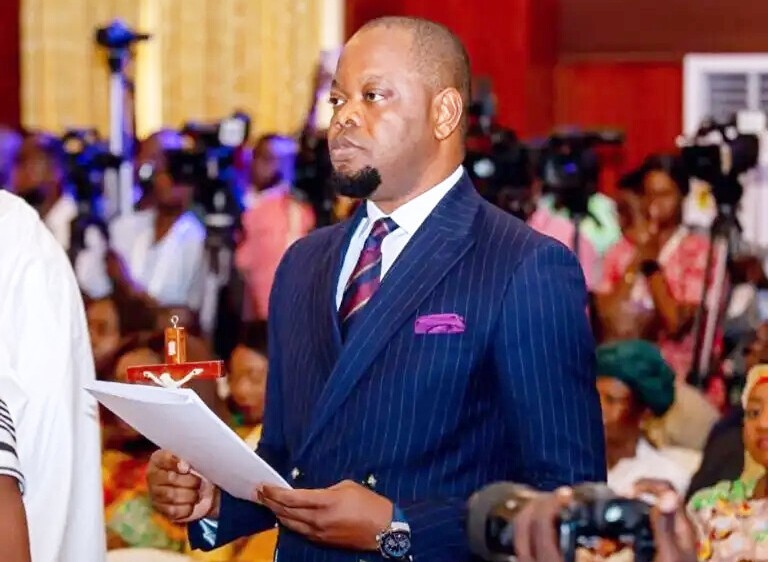
Deputy Attorney-General and Minister of Justice Dr. Justice Srem-Sai delivered the warning on the summit’s opening day, as delegates gathered under the auspices of the UN Office on Drugs and Crime and INTERPOL to explore a cohesive global legal framework for combating cross-border fraud, much of it intertwined with cybercrime.
Speaking with notable directness, Dr. Srem-Sai drew a clear line in the sand: Ghana would only back arrangements built on fairness, balance, and reciprocity — not systems that serve the interests of wealthier nations at the expense of developing ones.
“We will not support an international arrangement on global fraud which establishes a one-way traffic of extraditing cybercrime suspects to Western countries,” he said. “We will, however, support and be part of an arrangement which has a corresponding mechanism for quicker extradition, surrender of political corruption suspects or recovery of loots back to Africa.”
The statement gives voice to a frustration simmering across much of the developing world — that international cooperation on cybercrime has historically tilted in one direction.
NIB Is Now BNI, As Parliament Passes Security Bill
The United States, for instance, has successfully extradited a number of Ghanaian nationals in high-profile cyber fraud prosecutions, yet reciprocal action on asset recovery or the repatriation of corruption suspects to African jurisdictions has been slow, limited, and inconsistent.
Ghana’s position appears anchored, at least in part, to its engagement with the UN Convention against Cybercrime, which the country signed in late 2025. Rather than opposing multilateral cooperation outright, Accra is signalling its readiness to participate — but only within a framework that treats African nations as equal partners, not secondary actors in a system designed around the priorities of the Global North.