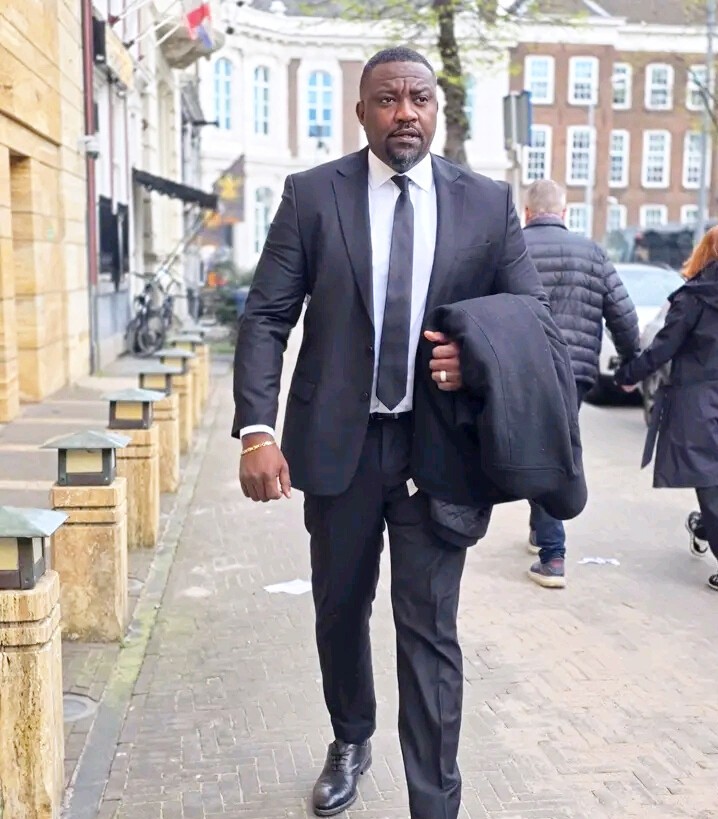
In a country where rainfall still largely dictates what grows and when, Ghana’s Deputy Minister for Food and Agriculture is in the Netherlands looking for a different answer.
John Dumelo is currently on a strategic working visit to The Hague — one aimed squarely at closing the gap between Ghana’s agricultural potential and the systems, seeds, and science needed to fully unlock it.
At the centre of the mission is a simple but consequential goal: ensuring that Ghanaian farmers can grow vegetables all year round, not just when the rains cooperate.
The visit has already yielded concrete diplomatic progress. An addendum to an existing Memorandum of Understanding between Ghana and the Netherlands was signed under the Food and Agriculture Working Group, with the agreement focused specifically on the vegetable seed sector. It is a targeted intervention — one that speaks to a recognised weakness in Ghana’s agricultural infrastructure.
Access to certified, high-yielding seed varieties has long been a bottleneck for small and large-scale farmers alike, and the new framework is designed to address that directly while also strengthening the regulatory systems that govern seed distribution and quality.
Beyond the paperwork, Dumelo and his delegation are moving through the Netherlands with purpose — touring research institutions, visiting fertilizer companies, and engaging with some of the world’s leading seed producers. The Netherlands is not an accidental destination. As a global leader in horticulture and seed technology, it represents a concentrated source of the expertise Ghana needs to modernise its agricultural value chain.
The ambition runs deeper than seeds alone. The partnership is structured to catalyse a broader transformation: fostering research collaboration and knowledge transfer, encouraging joint ventures between Ghanaian and Dutch agribusinesses, and building the kind of institutional capacity that outlasts any single diplomatic visit.
President Mahama Promises To Make Agriculture Attractive Again In Ghana
If the framework delivers on its promise, the downstream effects — higher crop yields, stronger farmer incomes, reduced dependence on food imports — could reverberate across the sector for years.
What makes the initiative particularly timely is the climate dimension. Ghana’s farmers are increasingly exposed to the volatility of shifting rainfall patterns, and year-round farming supported by improved seed varieties offers a meaningful buffer against that uncertainty.
Stabilising food supply in the face of climate variability is no longer a long-term policy aspiration — it is an urgent operational challenge, and this partnership is being positioned as part of the response.
Dumelo’s presence in The Hague sends a signal about the government’s appetite for agriculture diplomacy — the kind of targeted, technical engagement that moves beyond rhetoric and into the unglamorous but essential work of building functional food systems.
Whether the agreements signed this week translate into outcomes felt at the farm gate will be the real measure of the visit’s success.