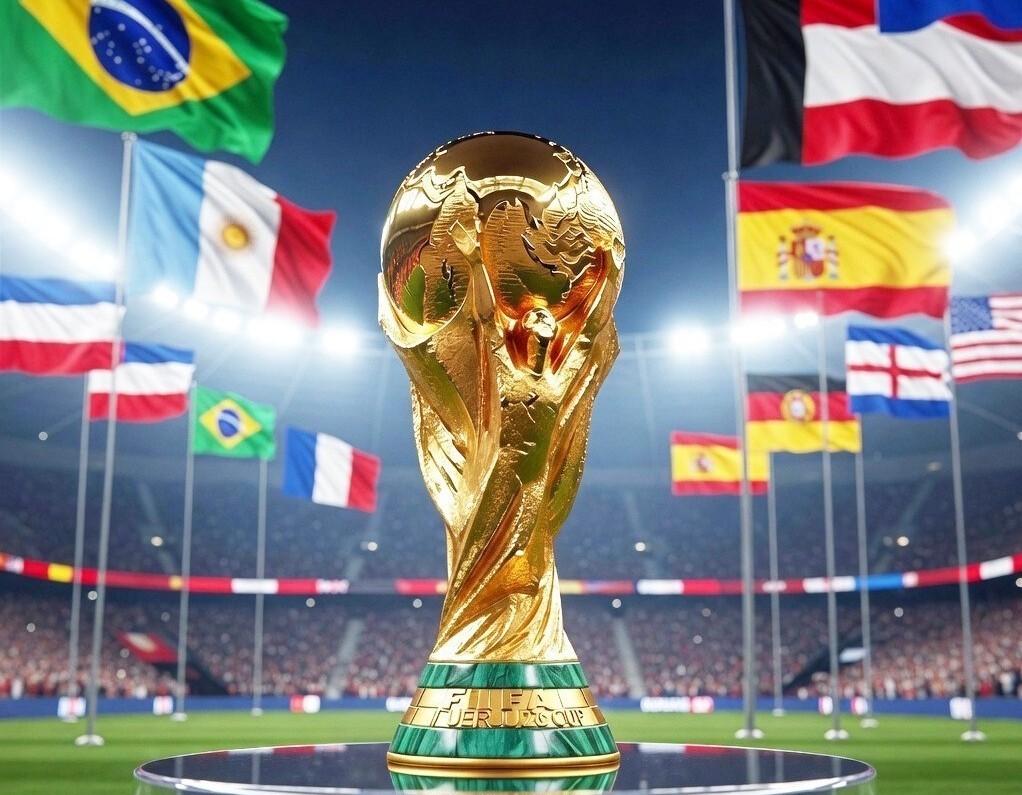
Official prices, resale markups, transport hikes, and dynamic pricing have combined to make the 2026 FIFA World Cup a tournament that many fans can afford to watch — but not to attend.
When FIFA unveiled ticket prices for the 2026 World Cup, the headline figures looked, on the surface, relatively accessible. Group stage matches starting at around $60 appeared to signal a tournament within reach of ordinary supporters. What has since unfolded tells a very different story.
A combination of dynamic pricing, an overheated resale market, and sharply elevated ancillary costs has made the 2026 edition — co-hosted across the United States, Canada, and Mexico — one of the most expensive World Cups in the tournament’s history. For many fans, the dream of attending in person is colliding hard with the reality of what it actually costs.
When a $60 Ticket Becomes a $2,000 Listing:
FIFA’s decision to implement dynamic pricing — a system under which ticket costs rise in response to demand, match importance, and timing — has drawn sustained criticism since its introduction. The mechanics are straightforward enough: high-demand fixtures cost more, and prices can shift between the moment a fan first looks and the moment they decide to buy. The effect on supporters has been less straightforward to absorb.
On resale platforms, the distortion has been stark. Tickets originally priced at $60 have been listed for upwards of $2,000 — a markup that places them beyond the reach of the fans for whom the lower price point was supposedly designed. Premium hospitality packages have climbed into the tens of thousands of dollars, placing the full matchday experience firmly in luxury territory.
The complaints from supporters have been specific and consistent. Some have paid hundreds — or thousands — of dollars without being told their exact seat locations at the time of purchase, only to discover on arrival that their seats were considerably further from the pitch than the price implied. Others have reported prices increasing even after an initial purchase was made. The combination of opacity and volatility has eroded trust in a ticketing system that was meant to broaden access.
The ticket price is only the beginning. Getting to a World Cup match in 2026 carries its own escalating costs — and in some host cities, the numbers are striking.
Transport fares on certain routes have risen by as much as eight times their normal levels on matchdays, with some fans facing round-trip costs exceeding $100 simply to reach the stadium. Parking, accommodation in host cities, food, and general event expenses compound the total further.
For supporters travelling internationally — which, for a tournament spread across three countries, covers a significant proportion of attendees — the logistics of moving between venues add another layer of expense entirely.
2026 World Cup Preparations Hit Snags: Security And Logistics Funding Delayed
The result is a tournament where the full cost of attendance, when all components are factored in, can run to several thousand dollars per match for a family or group of friends — even before a single premium seat is involved.
The broader question hanging over the 2026 World Cup is one that football’s governing body has not convincingly answered: who, exactly, is this tournament for? Dynamic pricing is a tool borrowed from the entertainment and airline industries, where it is accepted as a commercial norm.
FIFA has defended the system as a means of managing demand and maximising revenue for reinvestment in the game. Critics argue it has achieved the first objective at the direct expense of the fans it was supposed to serve.
The 2026 World Cup will almost certainly be a spectacle. Whether the people who built their lives around following their national teams will be in the stands to see it is a question the ticket prices are already beginning to answer.