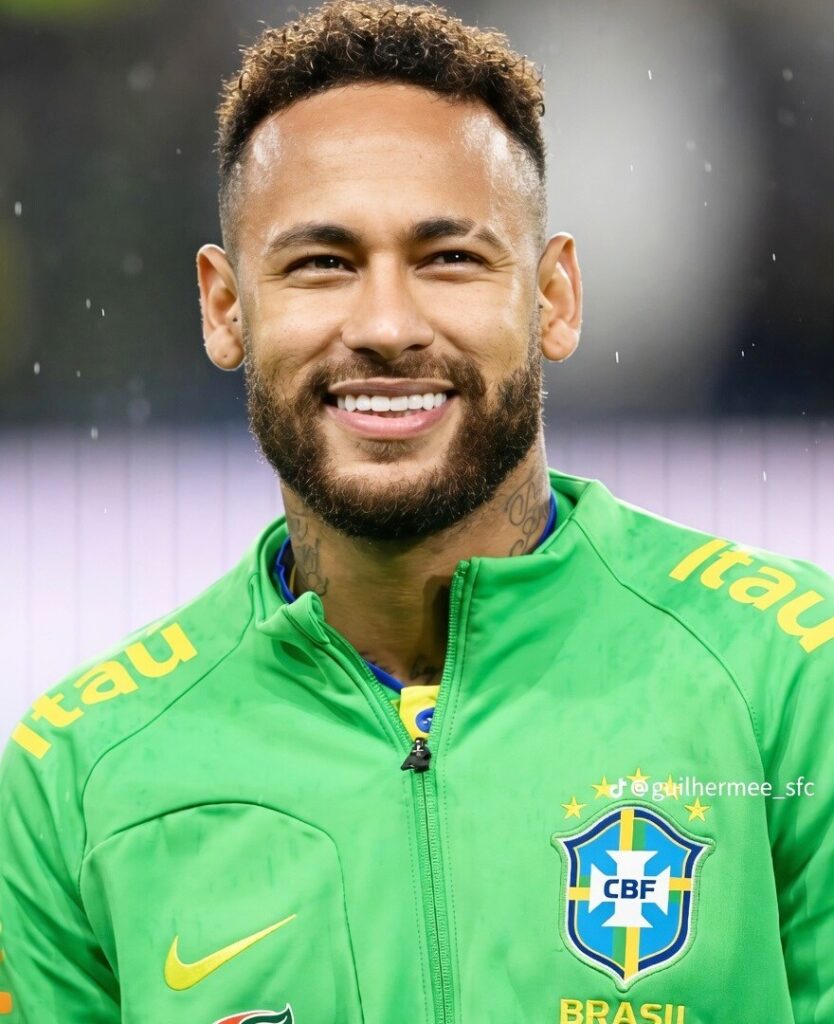
A number has been circulating across Brazilian social media with the confidence of a final verdict: 53% of Brazilians want Neymar at the 2026 FIFA World Cup. It has generated headlines, ignited arguments in comment sections, and reignited one of the country’s most enduring football debates. But the figure deserves more scrutiny than it has received — and the debate itself is considerably more nuanced than a single statistic can capture.
The widely shared “53% YES” appears to originate from online reposts and secondary reporting of a fan survey, rather than any official nationwide referendum or formally commissioned polling body.
While it broadly aligns with findings that a slim majority of Brazilians still want the veteran forward included in Carlo Ancelotti’s squad, it is not a definitive national verdict. Brazil, as the fuller picture shows, remains deeply divided — with opinion shifting depending on age group, region, and what people fundamentally expect from their national team.
The Case For and Against
At 33, Neymar remains Brazil’s all-time leading scorer with 79 international goals — a record that, on its own, demands a certain level of conversation. He is a veteran of multiple World Cups and, when fit, still one of the most dangerous attacking players his country has produced. For a section of the Brazilian public, the prospect of one final World Cup run carries genuine emotional weight.
FIFA Makes New Football Laws Ahead Of 2026 World Cup
But the case against is just as coherent. Injuries have become a defining feature of Neymar’s recent years, eroding the reliability that tournament football demands. Brazil’s attacking generation has not stood still in his absence — younger options have emerged, and the tactical question of how Neymar fits into a rebuilt side is not straightforward. Critics argue that sentiment, however powerful, should not override the cold logic of squad construction.
Ancelotti himself has been measured on the subject. The Brazil coach has made clear that selection will depend strictly on fitness and form, with Neymar understood to have a limited window in which to make his case. Recent club performances have offered flashes of the quality that made him indispensable — but flashes alone rarely guarantee a World Cup place.
What the Poll Actually Tells Us:
The 53% figure is not meaningless. It reflects something genuine: that despite the injuries, the controversies, and the years of stop-start availability, a significant portion of Brazilians have not yet closed the door on Neymar. That is a real data point about public sentiment, and it matters as context.
What it is not is a formal decision, a confirmed selection, or a mandate that binds the coaching staff. The question of whether Neymar boards the plane to the United States, Canada, or Mexico next summer will be answered on training pitches and in medical rooms — not in the replies section of a viral social media post. For now, Brazil watches, debates, and waits. Which, where Neymar is concerned, has always been the posture.