Iran has moved to soften its diplomatic stance, signalling it is actively reviewing the possibility of re-engaging in peace negotiations with the United States — a notable shift after earlier dismissing any prospect of a new round of talks.
A senior Iranian official confirmed to Reuters that Tehran is “positively reviewing” its participation in potential negotiations, while stressing that no final decision has been reached.
The measured signal comes as a US delegation prepares to travel to Pakistan “soon” for a fresh round of diplomacy, according to a source familiar with the plan who spoke to AFP on Monday. Iran has yet to commit to attending.
The diplomatic opening, however tentative, emerges against a backdrop of rapidly deteriorating relations. Initial talks held in Islamabad earlier this month collapsed without an agreement, and both sides have since traded accusations of violating a temporary ceasefire now entering its final days.
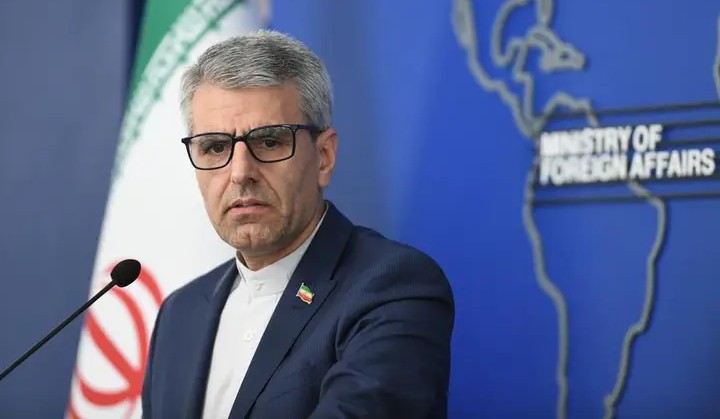
Iran’s foreign ministry spokesperson Esmaeil Baghaei has made clear that Tehran’s reservations go beyond the negotiating table. He cited what he described as a series of “clear violations of the ceasefire” by Washington — among them a US strike on an Iranian cargo vessel on April 20, a naval blockade on Iranian ports, and delays in the implementation of a previously agreed ceasefire in Lebanon.
The litany of complaints signals that even as Iran edges toward dialogue, its leadership is determined to enter any renewed talks with its grievances firmly on record.
However, President Donald Trump took to Truth Social to push back against reports that Israeli Prime Minister Benjamin Netanyahu had pressured him into launching the joint US-Israeli military assault on Iran in late February. Trump insisted that Israel never “talked” him into the war, framing the military action instead as a decision shaped by what he called the “results of Oct. 7th” and his long-held conviction that Iran must never acquire a nuclear weapon.
The military operation has drawn widespread international criticism, with many legal and diplomatic observers characterising it as having been launched without lawful basis.
Iran Strongly Denies Trump’s Ceasefire Request—The Latest Updates
Meanwhile, Israeli and Lebanese representatives are set to hold talks in Washington on Thursday, April 23, according to Reuters. Israel will be represented at the meeting by its ambassador to the United States, Yechiel Leiter.
The scheduled dialogue comes even as hostilities on the ground show no sign of fully abating. Lebanese state media reported that an Israeli drone struck a town in the country’s south on Monday despite a ten-day ceasefire between Israel and Iran-backed militant group Hezbollah remaining nominally in force. The National News Agency reported that the strike targeted the vicinity of the Litani River in the town of Qaqaiyat al-Jisr, with no casualties immediately reported.
US Seizes Iranian Cargo Ship:
The most incendiary development of the day came from the waters at the centre of the crisis. The United States announced it had seized the M/V Touska, an Iranian cargo vessel that American forces say attempted to breach its naval blockade. Hours after the announcement, the US military released footage of the operation, including striking video of US Marines rappelling onto the deck of the ship — imagery that immediately dominated international news coverage.
Iran wasted no time in responding, vowing to retaliate against what it characterised as an act of aggression. The seizure is expected to further complicate already stalled peace negotiations between the two sides, with Tehran having previously cited the blockade as a “clear violation of the ceasefire.”
The seizure of the M/V Touska is the day’s single most explosive development, and leading with it anchors the headline in hard news.
Pairing it with Iran’s retaliation vow creates urgency, while Macron’s de-escalation call signals that this is a story with diplomatic stakes — not just military ones.