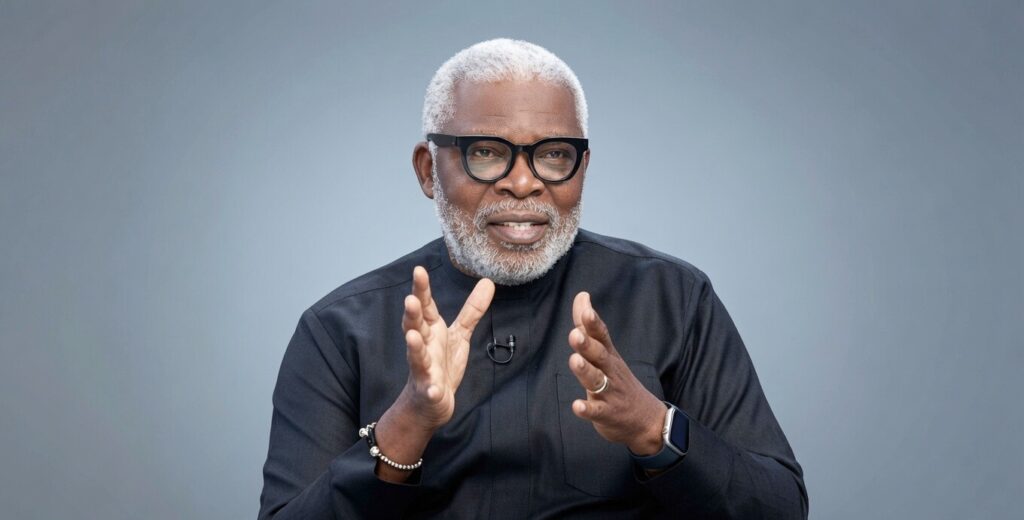
Private sector advocate and former Consumer Protection Agency Chief Executive Kofi Kapito has found himself at the centre of a social media storm following a striking remark made during a television appearance on Metro TV on Monday, June 8 — one that has divided opinion on the boundaries of political expression and the pressures of governance in Ghana.
Speaking on the subject of public criticism directed at the government, Kapito made a comment that stopped many viewers in their tracks: that if he were in President John Dramani Mahama’s position, he would have “killed half of Ghanaians.”
Frustration, Not a Threat
The remark was widely received as a figure of speech — an exaggerated expression of exasperation rather than any form of literal intent. The context makes that clear. Kapito was making a pointed argument about the extraordinary level of pressure, scrutiny, and resistance that Ghanaian leaders face, suggesting that governing the country demands a degree of patience and restraint that most ordinary individuals would find impossible to sustain.
His broader point was one many observers would find difficult to entirely dismiss: that political leaders in Ghana are subjected to relentless criticism regardless of the policies they implement or the outcomes they deliver, and that navigating that environment while remaining functional requires exceptional temperament.
A Remark That Cuts Both Ways
Yet even as a figure of speech, the comment has not been without controversy. On social media, reactions have split sharply — with some dismissing the remark as colourful hyperbole from a man known for his bluntness, and others arguing that public figures carry a responsibility to choose their words more carefully, particularly when speaking on national platforms about the relationship between a government and its citizens.
The episode has reignited a broader conversation about the tone and quality of political discourse in Ghana — a country where the line between passionate commentary and inflammatory language is frequently tested, and where strong opinions from prominent voices can quickly spiral into national debates.
New Study Ranks 1,300 Global Airports By Climate Impact — Here Are The Worst Offenders
Those familiar with Kofi Kapito will not be entirely surprised by the comment. Over the course of his career — spanning his tenure at the Consumer Protection Agency and his continued engagement with media platforms as a private sector voice — he has built a reputation for unfiltered, direct opinions on governance, economic policy, and national development. He is not a figure who measures his words for the sake of political comfort.
That reputation cuts both ways in this instance: it lends credibility to the interpretation that the remark was never meant to be taken literally, while also raising the question of whether a figure of his standing should have been more measured in how he chose to make his point.
What the episode does illuminate, however, is the enduring sensitivity around how citizens, commentators, and public figures discuss leadership in Ghana — and the ease with which even an intended joke can become the centrepiece of a national conversation.