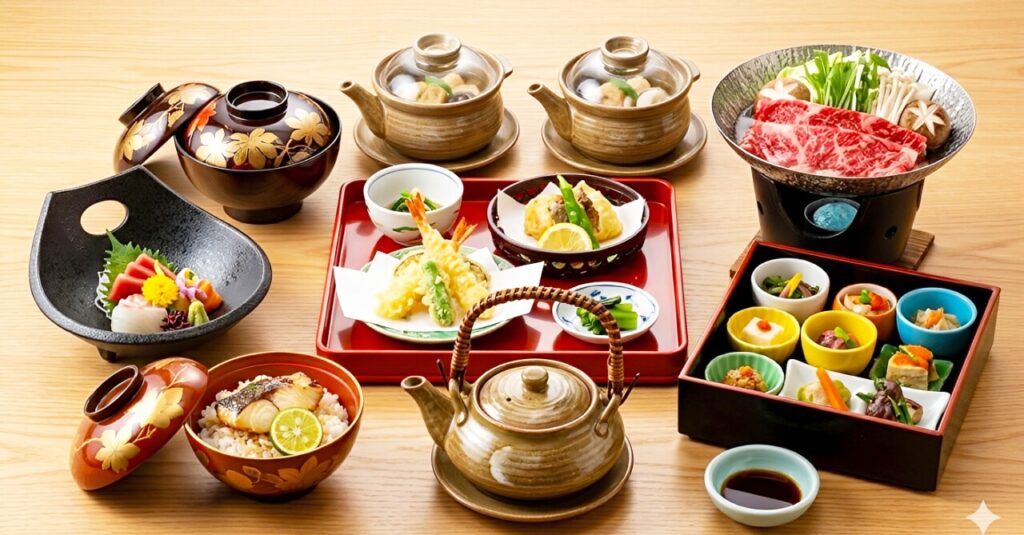
Japanese cuisine (Washoku) and the traditional Okinawan diet have long been linked to longevity and overall health. Japan consistently ranks among the world’s highest in life expectancy, and dietary patterns rich in plant-based foods, fish, fermented items, seaweed, and portion control (hara hachi bu, or eating until 80% full) are a major part of why.
These eating patterns tend to be nutrient-dense, antioxidant-rich, and anti-inflammatory, while staying relatively low in calories, saturated fat, red meat, and processed foods. They support heart health, lower the risk of chronic disease (obesity, diabetes, cardiovascular issues), aid digestion through fermentation and fiber, and supply the proteins, vitamins, minerals, and healthy fats needed for both growth and long-term maintenance.
“Better growth” here covers two things: healthy development in childhood (via nutrient-dense proteins, calcium, and vitamins) and sustained vitality and muscle maintenance later in life. The longevity benefits come from cumulative effects on inflammation, oxidative stress, and metabolic health over time.
A few standout foods commonly highlighted in these diets:
Fish and seafood (sardines, salmon, mackerel) — high-quality protein, omega-3s, iodine, and selenium. Support brain development and growth in children, plus heart health and lower inflammation for longevity. Eaten in moderate but consistent amounts.
Soy foods (tofu, natto, miso, edamame) — plant-based protein and isoflavones, with natto and miso adding probiotics from fermentation. Tofu supports muscle and bone health. Strongly tied to lower cardiovascular risk, and especially prominent in the Okinawan diet.
Seaweed (wakame, kombu, nori, mozuku) — rich in iodine, calcium, fiber, antioxidants, and fucoidans. Supports thyroid function, bone health, and digestion, with some anti-aging properties.
Green tea (matcha, sencha) — high in catechins (like EGCG) and other polyphenols, giving it antioxidant and anti-inflammatory effects. Supports metabolic and heart health, and may help with brain function. Typically a daily habit rather than an occasional one.
Vegetables (daikon radish, bitter melon/goya, shiitake mushrooms, kabocha squash, purple/orange sweet potatoes) — high in fiber, vitamins (C, beta-carotene), antioxidants, and phytonutrients. Sweet potatoes in particular are a calorie staple in Okinawa, valued for sustained energy and anti-aging compounds. Together these support immune function, digestion, and disease prevention.
Fermented foods (miso, natto, pickled vegetables/tsukemono) — boost the gut microbiome and aid digestion, nutrient absorption, and immunity. Fermentation also makes nutrients more bioavailable, which matters for both growth and healthy aging.
Rice and grains (brown rice, soba noodles) — sustained energy from complex carbs, plus some protein and fiber. These round out balanced meals without piling on excess calories.
Doctors Say These Cancer Warning Signs Should Never Be Ignored
Other notables: beans like azuki, yuzu for vitamin C, umeboshi (pickled plums), and turmeric/ginger for their anti-inflammatory properties. A few patterns tie all of this together:
Plant-dominant, with variety — lots of vegetables, legumes, seaweed, and whole foods; fish and soy in moderation; red meat, dairy, and sugar kept low.
Calorie awareness and balance — smaller portions, seasonal and fresh ingredients, and mindful eating, all of which support healthy weight and metabolic efficiency. That’s good for growth without excess, and good for longevity.
Research backs this up: closer adherence to traditional Japanese dietary patterns is associated with lower risk of premature death and reduced mortality from heart disease and cancer, alongside better healthy aging overall. Okinawan centenarians are often cited as the clearest real-world example.
It’s worth noting that modern Japanese diets have picked up more Western influences — more meat and dairy than in the past — but the traditional elements that made the diet protective are still very much present and still matter. For kids, simple swaps like fruit, edamame, or yogurt that draw on these same principles can support healthy growth.
Some easy ways to bring this into everyday meals: miso soup with seaweed and tofu, grilled fish with vegetables, natto over rice, or a cup of matcha. As always, it’s worth checking with a doctor or nutritionist for advice tailored to a specific situation — especially around children’s growth or existing health conditions — since diet works alongside other factors like activity, social connection, and stress management.