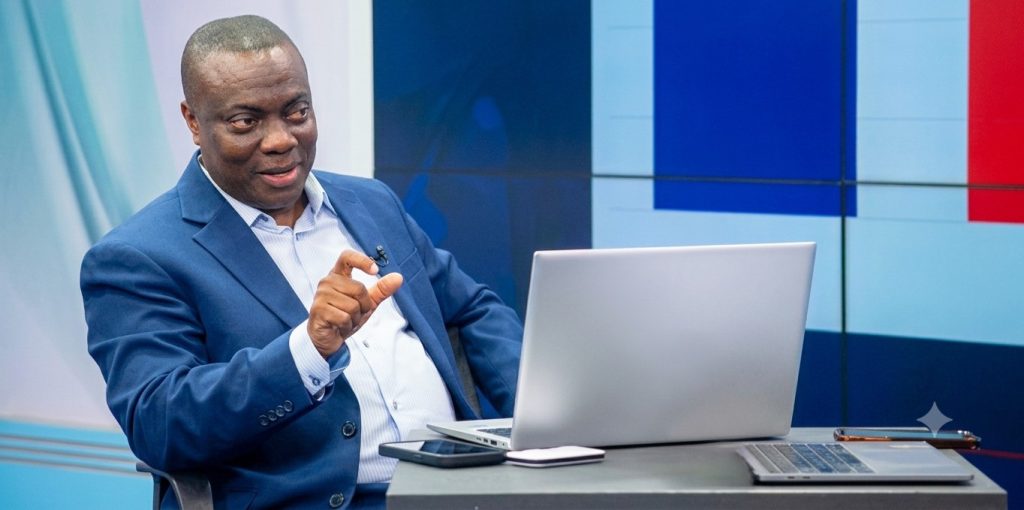
A fresh opinion poll analyzed by renowned pollster Mussa Dankwah reveals a noticeable shift in Ghana’s political landscape: explicit affiliation with the opposition National Democratic Congress (NDC) has dipped, while the pool of uncommitted and tight-lipped voters has expanded.
The figures highlight a growing cohort of Ghanaians stepping back from formal party identification or opting to keep their political preferences strictly private. Notably, this decline for the NDC has not translated into a gain for the ruling New Patriotic Party (NPP), whose own affiliation numbers remained stagnant.
Rather than a direct migration of voters from one major party to another, the survey points toward a growing disillusionment or strategic silence among the electorate.
The bump in respondents categorized as floating, undecided, or non-disclosing introduces a complex variable into Ghanaian electoral projections. This group is far from monolithic; it encompasses genuinely undecided voters, non-partisan citizens, and those who simply refuse to share their leanings with pollsters.
Understanding this nuance is critical when evaluating survey data:
• Affiliation vs. Intention: A person can formally identify with a party yet break ranks at the ballot box.
• The Silent Vote: Respondents labeling themselves as “floating” frequently end up supporting one of the two political giants on election day.
17 NDC Parliamentary Seats Already Lost Spiritually – Apostle Olam
Dankwah’s commentary underscores that while the NDC lost ground in partisan identification relative to previous surveys, the NPP failed to capitalize on the drift. This suggests that voters moving away from the NDC are migrating into the neutral or non-disclosed zone rather than defecting to the ruling party.
Key Takeaways for Ghana’s Political Heavyweights
For the NDC, the drop in self-identified supporters serves as a warning sign, pointing to a need to re-engage alienated bases and shore up party loyalty.
For the NPP, the lack of an upward surge confirms that opposition dissatisfaction is not automatically transforming into trust or enthusiasm for the ruling party.
For the electorate, Ghana’s traditional duopoly remains intact, but the expanding cushion of uncommitted voters reinforces that elections in the country continue to be decided by the middle ground.
Electoral experts caution against viewing party identification data as an absolute prediction of election outcomes. Formal allegiance, immediate voting intent, and final choices at the ballot box are distinct metrics.
Whether this current trend represents a fleeting phase or a lasting structural shift in Ghanaian voter behavior will depend on future tracking polls. For now, the takeaway is clear: party loyalties are softening, and the sway of the floating voter is stronger than ever.