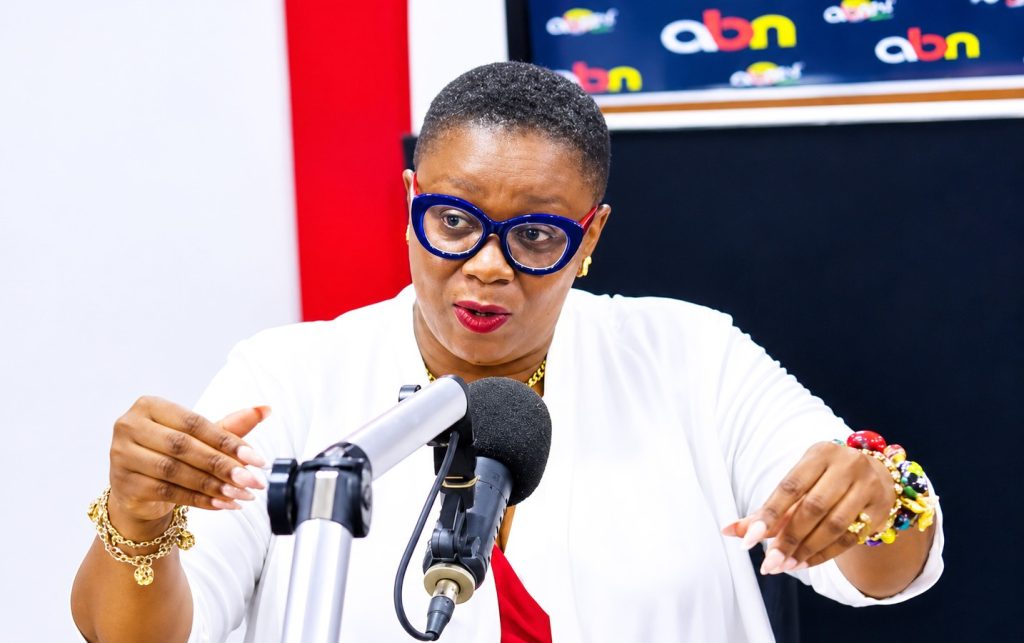
Ghana’s economic hardships, and the hopes that came with the change of government, are back under the spotlight after sharp comments from Ellen Ama Daaku about the governing National Democratic Congress (NDC).
Speaking on Angel FM’s morning show on Tuesday, November 10, 2026, Daaku challenged the NDC government to show that it has kept the promises it made to Ghanaians before taking office.
In her view, the NDC won power by assuring citizens that it would lift them out of the economic pain they endured under the New Patriotic Party (NPP), which ran the country for eight years. She argued that, even with a new administration in place, many Ghanaians are still wrestling with the very difficulties they expected the party to resolve.
Daaku said the NDC sold itself to voters as the political force that could bring an end to what it characterised as eight years of economic mismanagement and suffering under the NPP. Ghanaians, she suggested, cast their ballots for change expecting a clear and noticeable improvement in how they live.
Her remarks reopen a familiar question: how wide is the gap between what was promised on the campaign trail and what ordinary citizens experience day to day? The pressure points are well known, from the cost of living and employment to wider economic strain on households.
Ahead of the 2024 general elections, the NDC made a series of commitments designed to ease that strain. They included scrapping selected taxes, bringing down the cost of living, stabilising the economy and creating jobs.
Erastus Asare Donkor Exposes NDC Insider Sabotaging River Protection
The government, however, can point to progress in key economic indicators. In August 2026, the World Bank reported that Ghana’s recovery had gained strength, with inflation easing and growth reaching 6% in 2025. The Bank also struck a note of caution, saying the recovery was still incomplete, especially when it comes to quality jobs and poverty reduction.
Statistics or Lived Experience?
Daaku’s criticism feeds a growing debate over whether the recovery captured in official figures is actually reaching people’s lives. For many citizens, the real test of a government is not a table of statistics but whether they can put food on the table, pay rent, find decent work, meet their children’s school needs and live without constant financial worry.
The Clock Is Ticking
With the Mahama administration set to mark its second anniversary in January 2027, public expectations are likely to sharpen around visible, tangible results.
At the heart of Daaku’s argument is a simple question: is the NDC delivering the relief it pledged, or are Ghanaians still waiting for the change they were promised?