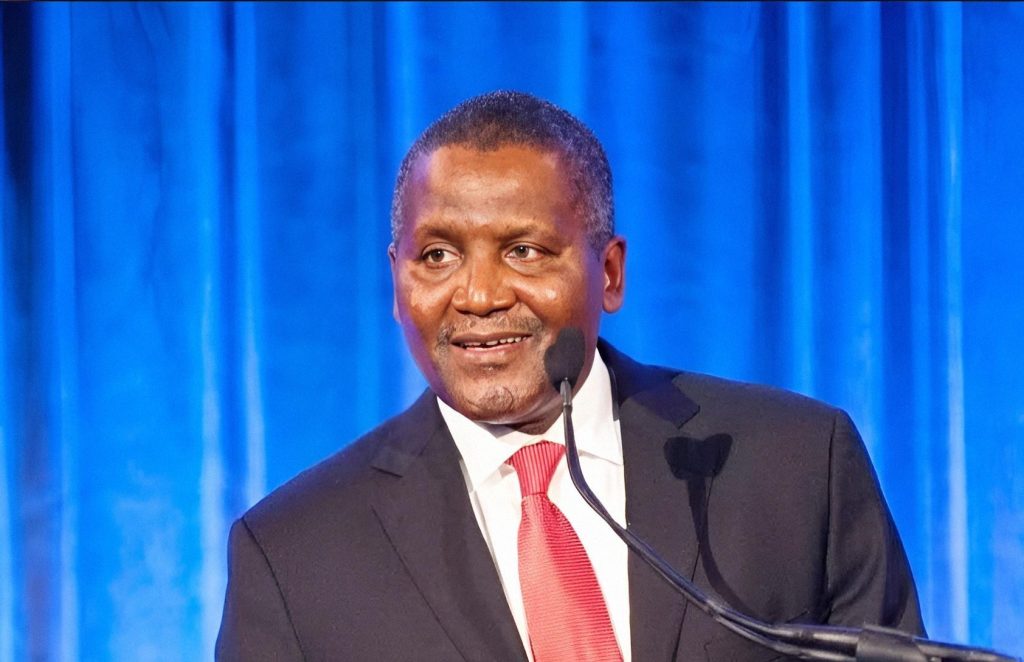
For decades, Aliko Dangote has stood atop the list of Africa’s wealthiest individuals, overseeing a sprawling industrial conglomerate that touches nearly every sector of the continent’s economy. Yet, according to the Nigerian billionaire, the secret to his monumental success lies not in how aggressively he chased profits, but in how fiercely he resisted the urge to spend them.
Speaking alongside fellow billionaire Mo Ibrahim at the Ibrahim Governance Weekend in Abidjan, Côte d’Ivoire, Dangote pulled back the curtain on the core financial philosophy that shaped his rise. His guiding principle has always been straightforward: true wealth is forged through relentless patience, fiscal restraint, and pouring capital back into productive enterprises rather than indulging in premature luxury.
When Employees Owned London Homes—and Their Boss Didn’t
To illustrate the depth of his early restraint, Dangote shared a remarkable detail from his company’s formative years. There were periods, he revealed, when several of his own staff members owned residential properties in London, while he himself did not own a single house outside Nigeria.
At a time when status is frequently measured by high-end real estate portfolios and ostentatious displays of affluence, Dangote deliberately opted out of the luxury race. Instead of tying up capital in personal trophies, he channeled every available resource into scaling his commercial operations. His trajectory serves as a powerful counter-narrative to the modern assumption that entrepreneurial success must be constantly advertised through lavish spending.
A Reality Check for Emerging Entrepreneurs
Delivering a pointed message to Africa’s next generation of founders and business owners, Dangote offered a timeless piece of financial wisdom: never spend money you have not yet earned.
He emphasized that generating revenue is merely the opening chapter of entrepreneurship; the real test lies in capital preservation, sound financial stewardship, and disciplined reinvestment.
How Patricia Poku-Diaby Became Ghana’s Most Powerful Female Entrepreneur
For ambitious founders eager to immediately celebrate early milestones with high-end lifestyles, Dangote’s warning is clear—enduring prosperity demands delayed gratification.
Dangote’s insistence on plowing profits back into the business is not merely about maximizing growth; it is fundamentally about survival. No enterprise enjoys an uninterrupted upward trajectory. Every company eventually encounters economic headwinds, market downturns, and operational shocks.
When founders siphon off excessive earnings to fund extravagant personal habits, they leave their businesses dangerously exposed when hard times hit. Conversely, retaining earnings builds the financial buffers and operational resilience necessary for a company to weather storms and outlast its initial burst of momentum.
The Hidden Drain of Extravagance: Lost Focus
Beyond draining bank accounts, Dangote warned that a lavish lifestyle exacts a steep non-financial toll: it steals an entrepreneur’s time and mental bandwidth.
Curating and maintaining high-maintenance luxuries introduces constant distractions that pull leaders away from the demanding, day-to-day work of managing and scaling complex enterprises. In Dangote’s view, when the desire to project wealth overtakes the commitment to building value, the business inevitably suffers.
Building First, Enjoying Later
Dangote’s candid reflections in Abidjan offer an enduring blueprint for aspiring business leaders across the continent. While there is nothing inherently wrong with enjoying the fruits of hard work, those rewards should never compromise the structural integrity of the enterprise itself.
For Africa’s richest man, the order of operations was always non-negotiable: fortify the business, safeguard its future through relentless reinvestment, and let lasting wealth follow naturally. His foundational rule remains as relevant today as when he started out: build the empire first, and leave the luxury for later.