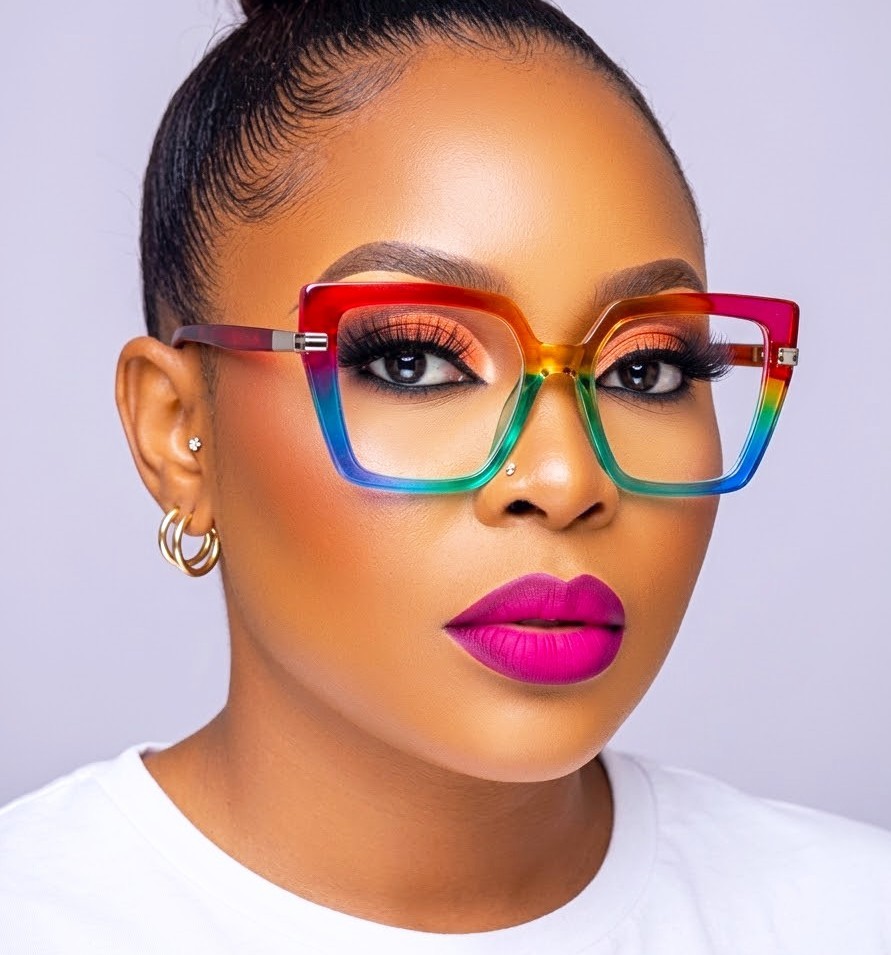
Designer eyewear has long been tied to wealth, style and social standing. For many wearers, a costly pair of glasses does far more than sharpen their sight. It speaks for their personality, their confidence and their taste.
From high-end boutique displays to the exclusive collections seen on celebrities, luxury frames have become a significant force in the global fashion industry. Yet the price tag and the famous logo tell only part of the story. Behind those polished frames lies a world of craftsmanship, engineering, materials, branding and marketing that most buyers rarely think about.
- A Higher Price Doesn’t Mean Better Vision
The most common myth about luxury glasses is that spending more guarantees seeing better. It doesn’t. How well you see depends mainly on your prescription, the lens material, the optical design, a proper fitting and the coatings applied.
A modestly priced pair of prescription glasses can deliver excellent clarity, while a pricey designer frame may add almost nothing optically. The key is separating two things: how good the frame is, and how well the lenses perform.
- Some Frames Are Truly Handmade
At the top end of the market, certain manufacturers put serious time and skill into every frame. Depending on the brand and collection, that can mean hand-polishing, carefully assembled parts, specialised finishing and strict quality checks.
Titanium, premium acetate and stainless steel are popular choices, each selected for a particular balance of strength, comfort and look. This level of craftsmanship can account for a large share of the final price.
- You Often Pay for the Name
Ever noticed how two pairs with similar designs and materials can carry wildly different prices? Reputation is a big reason. Luxury eyewear houses spend heavily on advertising, celebrity endorsements, runway shows, exclusive retail experiences and brand positioning.
As a result, shoppers sometimes pay far more for the prestige attached to a frame than for what it is made of. Put simply, you may be buying a pair of glasses and a slice of luxury identity at the same time.
- Pricey Lenses Aren’t Always Better Protected
Lens technology is another area worth understanding. Premium lenses can include features such as:
- Anti-reflective coatings
- Scratch-resistant treatments
- UV protection
- Photochromic technology that darkens in sunlight
- Polarisation to cut glare
- Progressive designs for people needing multiple vision corrections
The catch is that none of these belong exclusively to luxury brands. Affordable eyewear can offer excellent lens technology too. Before buying, make sure you know exactly what your money is covering.
- Some Pairs Become Collector’s Items
Certain luxury collections are made in small numbers, which makes specific designs highly sought after by collectors. Names like Cartier and Jacques Marie Mage have helped turn eyewear into a collectible fashion accessory. Rare editions can draw intense interest thanks to limited availability, distinctive materials and brand heritage.
- The Right Pair Can Transform Your Look
Glasses are among the most visible accessories anyone can wear. A well-chosen frame can flatter your features, sharpen your personal style and give you a more polished appearance.
“You Have Eyes, But You Can’t See”
Oversized frames, for example, make a bold fashion statement, while slim metal frames suggest a quieter, more professional style. It is no surprise that some people keep several pairs to suit different occasions.
- Luxury Doesn’t Guarantee Durability
An expensive pair is not indestructible. Frames can snap, hinges can loosen, coatings can wear away and lenses can pick up scratches. Careful storage, regular cleaning and professional maintenance matter no matter what you paid.
Buyers should also check the warranty and find out whether replacement parts are available.
- Real Luxury Is Comfort, Quality and the Right Fit
In the end, the best glasses are not necessarily the costliest. A truly good pair should sit comfortably, suit your face, meet your vision needs and offer lasting value. Luxury branding can be appealing, but prestige should never be mistaken for optical performance.
Luxury spectacles have grown from simple vision aids into powerful fashion accessories and symbols of self-expression. Behind the glamour, though, are factors every buyer should weigh: craftsmanship, materials, lens technology, brand premiums, durability and comfort.
So the next time you spot someone in an extravagantly priced pair, remember the cost may reflect a blend of optical technology, design, skilled workmanship and brand prestige.
The biggest secret of luxury eyewear? Sometimes you’re paying for the vision, sometimes for the craftsmanship, and sometimes just for the name on the frame.