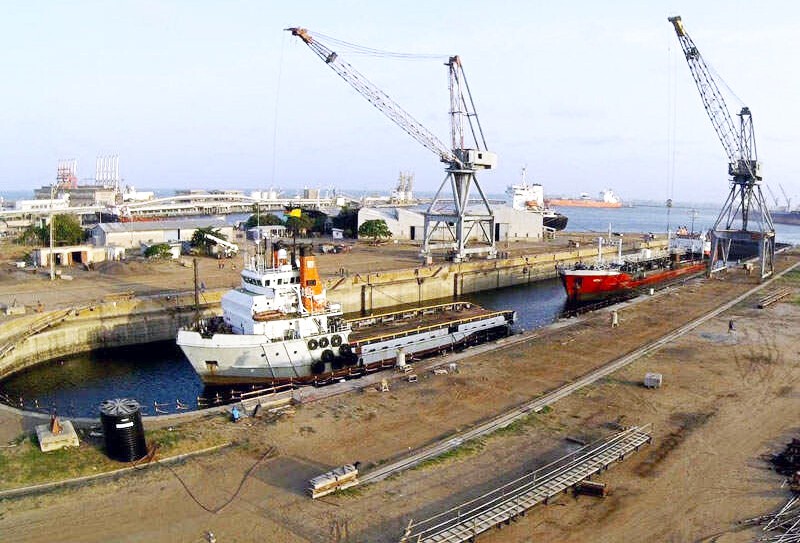
A nationwide strike by importers and port users over the controversial Publican AI valuation system threatens to bring Ghana’s ports to a standstill — and exposes a deeper fault line between technological reform and trader realities. The cranes at Tema Harbour stood largely idle on Monday morning.
Lorries that would ordinarily snake through the port’s arteries in a steady, if chaotic, procession were conspicuously absent. In their place: frustration, placards, and a pointed message to the authorities — that Ghana’s traders have had enough.
Importers and port users launched a nationwide strike on April 13, 2026, in protest against the Ghana Revenue Authority’s newly deployed artificial intelligence-powered customs valuation tool, branded “Publican AI.”
The industrial action, led by the Traders Advocacy Group Ghana (TAGG) and backed by a coalition of allied trader unions, marks one of the most significant disruptions to port operations in recent memory — and one of the first major public confrontations over the use of AI in Ghana’s revenue administration.
At the heart of the dispute is a fundamental question: who decides what your goods are worth?
Publican AI was introduced to determine the customs value of imported goods — the baseline figure from which duty payments are calculated. In theory, the system draws on global trade data to produce more accurate, consistent valuations, plugging a longstanding gap that the GRA says has cost Ghana significant revenue through chronic undervaluation of imports.
In practice, according to the traders on strike, the system has delivered something far less equitable.
Importers describe a tool that is opaque, unpredictable, and seemingly unaccountable. Many say they have received valuations that bear little resemblance to the actual transaction prices of their goods, with little to no mechanism to challenge assessments or seek meaningful review. The result, they argue, has been a cascade of inflated duty charges, protracted clearance delays, mounting demurrage costs, and a business environment that has become increasingly untenable.
“We are not against reforms,” one importer at Tema told journalists on the picket line, “but the system in its current form is unfair and crippling our operations.”
That sentiment captures the mood of an industry not categorically opposed to technology, but deeply aggrieved by what it perceives as a unilateral imposition with no stakeholder consultation and no meaningful avenue for redress.
TAGG may have spearheaded the action, but it has not acted alone. The Ghana Union of Traders Associations (GUTA) — one of the country’s most influential trader bodies — has thrown its full weight behind the strike, directing its members to halt imports and suspend duty payments for the duration of the action, which is expected to run until April 17.
The breadth of support signals that discontent with Publican AI has transcended any single interest group. Across commodity lines and trade sectors, the message from Ghana’s import community is unified: suspend the system, convene genuine dialogue, and do not use technology as a substitute for consultation.
The striking groups are demanding a return to valuation methods they describe as more predictable and transparent, as well as a firm commitment from authorities to engage stakeholders before rolling out sweeping technological changes of this magnitude.
Authorities Stand Firm — For Now
The GRA has not budged. In official statements, the authority has defended Publican AI as a necessary and legitimate tool to modernise customs administration, asserting that it enhances transparency, curbs fraudulent under-declaration, and protects national revenue at a time when Ghana can ill afford fiscal leakage.
For years, officials note, Ghana has haemorrhaged customs income through systematic undervaluation — a problem that manual and legacy systems have struggled to contain. The AI platform, they argue, applies objective, data-driven assessments that are fairer and more consistent than what came before.
Yet even as it defends the policy, the GRA has signalled an openness to engagement — indicating willingness to meet with stakeholders to address specific concerns and refine the system where necessary. Whether that olive branch will be enough to pull traders back from the brink remains to be seen.
The Publican AI standoff does not exist in isolation. Looming over the already volatile situation is a threatened strike by more than 11,000 port transport drivers, who have served notice of their own industrial action beginning April 14 over separate regulatory grievances.
President Mahama Deserves CIMG Marketing Man Of The Year — Abeiku
Should both strikes proceed simultaneously, Ghana could face a near-total shutdown of its port ecosystem — a scenario that would send shockwaves through an already strained economy.
Tema and Takoradi together handle the overwhelming bulk of Ghana’s seaborne trade; any prolonged closure does not merely inconvenience importers, it disrupts supply chains across every sector of the national economy.
The downstream consequences are well understood. Delays in cargo clearance translate directly into higher costs for goods. Higher costs filter through to retailers and, ultimately, to consumers. With inflation still a live concern for Ghanaian households, a protracted port shutdown risks accelerating price pressures at the worst possible time.
Businesses that are heavily import-dependent — from pharmaceutical distributors to electronics retailers to food processors — have already begun sounding the alarm, warning that continued uncertainty at the ports threatens their operational viability and could produce supply shortfalls in key sectors before the month is out.
The Harder Conversation:
Beneath the immediate dispute lies a more complex and consequential debate about how Ghana navigates the integration of artificial intelligence into public administration.
There is nothing inherently wrong with deploying AI to improve customs compliance — indeed, many of Ghana’s trading partners are doing exactly that. The problem, as this strike makes plain, is what happens when transformative systems are rolled out without sufficient transparency, without genuine stakeholder buy-in, and without clear mechanisms for dispute and appeal.
Technology does not exist in a vacuum. Importers are not Luddites resisting change; they are businesspeople who need predictable operating environments. When an algorithm produces a valuation that a trader cannot interrogate, contest, or understand, it does not feel like progress — it feels like an arbitrary exercise of power dressed in the language of innovation.
Why Ghana’s Education System Needs an Urgent Revamp Now!
If this crisis has any silver lining, it is the urgency it has injected into a conversation that needed to happen long before the first strike placard was painted.
As Tema Harbour braces for what could be several tense days, the immediate priority for all parties must be dialogue. Industry stakeholders are calling on government agencies and trader groups to convene urgently, find a workable path through the immediate impasse, and lay the groundwork for a more collaborative approach to technological reform at Ghana’s ports.
The GRA’s stated willingness to engage is a necessary first step — but words, at this point, will need to be matched swiftly with action. For now, Ghana’s busiest port sits in an uneasy quiet. The traders are determined. The stakes are high. And the clock is ticking.