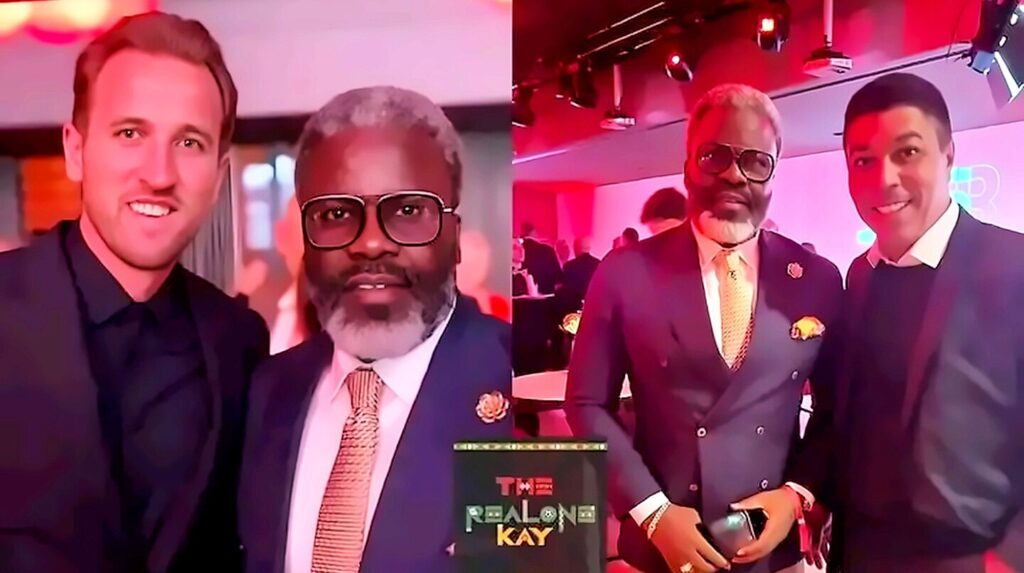
Samuel Osei Kuffour has never quite left football behind. Long after his playing days at the highest levels of European club football, the former Black Stars defender is now channelling his experience and contacts into a mission he believes could shape Ghana’s footballing future — finding the next generation before someone else does.
The Bayern Munich legend has outlined a proactive scouting strategy built around his base in Europe, one specifically designed to identify young Ghanaian talents developing in academy systems across the continent and steer them towards the Black Stars pathway before rival nations move in.
At the core of Kuffour’s initiative lies a challenge that has quietly cost Ghana dearly over the years. A growing number of talented players of Ghanaian descent are born and raised in Europe — in England, Germany, the Netherlands and beyond — making them eligible to represent both Ghana and their country of birth. And with the bigger footballing nations operating sophisticated scouting networks and offering clear pathways to top-level international football, the competition for these players is fierce.
“Catching them early is key,” Kuffour stressed, pointing to the importance of building genuine relationships with both players and their families long before any official approach is made. In modern football, by the time a dual-eligible talent is generating headlines, the window for Ghana to make its case may already have closed.
What Kuffour brings to this effort is something no formal scouting system can manufacture — credibility. A Champions League winner who spent the prime of his career at one of Europe’s most decorated clubs, his name carries weight in the football communities where these youngsters are developing.
That reputation, he believes, opens doors and builds trust in ways that structured institutional outreach alone cannot.
Barcelona Duo In Line For Black Stars Call-Up Ahead Of Next Big Friendly
His European network serves as both an intelligence system and a relationship-building platform — tracking promising talents at the grassroots level and ensuring that Ghana’s interest is registered early and sincerely.
Kuffour’s personal initiative, however admirable, also throws into sharp relief a wider structural gap in Ghanaian football. While top European nations have long invested in organised diaspora scouting systems, Ghana has historically relied on more informal channels — leaving it vulnerable to losing eligible players who simply never felt a strong enough pull towards the Black Stars.
His efforts, if supported and scaled, could serve as a template for a more coordinated national approach — one that pairs individual relationships with institutional backing from the Ghana Football Association.
The stakes are clear. With the FIFA World Cup on the horizon and the Black Stars working to assemble the most competitive squad possible, every dual-eligible talent who commits to Ghana rather than a European rival strengthens the depth of a programme with enormous but often unrealised potential.
Kuffour’s message to the next generation is simple: Ghana is watching — and it is watching early.