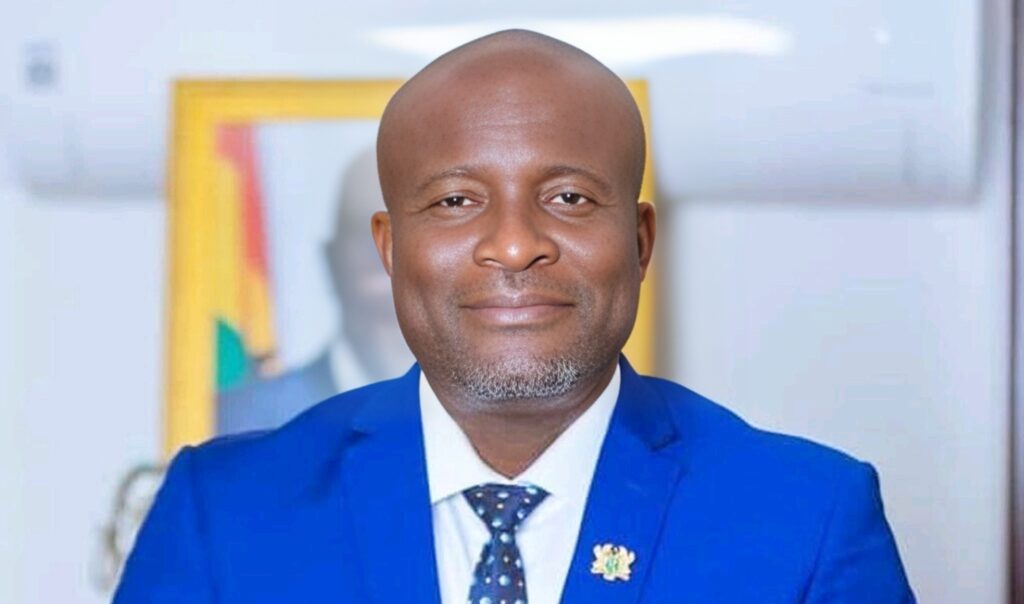
An opposition heavyweight is sounding the alarm over what he sees as premature power struggles within Ghana’s ruling party — and his remarks have landed squarely in the middle of a debate that the NDC would rather not be having right now.
Former Greater Accra Regional Minister and New Patriotic Party stalwart Daniel Nii Kwartei Titus-Glover has waded into the growing conversation around succession within the National Democratic Congress, expressing open surprise that a party currently in government is already consumed by questions about who comes after President John Dramani Mahama.
Speaking on Adom FM’s morning show, Titus-Glover did not mince his words. The NDC, he argued, is exhibiting signs of internal fracture at a moment when the country expects its ruling party to be laser-focused on governance and the fulfilment of campaign promises.
“The President has not even left office yet, but look at how members of the NDC are already fighting over who should succeed him,” he said, capturing in one sentence the essence of what critics are now describing as a distraction the NDC cannot afford.
Titus-Glover’s intervention did not emerge in a vacuum. His comments follow widely discussed remarks by NDC National Chairman Johnson Asiedu Nketiah, whose statements on the party’s future leadership direction triggered a wave of political debate — both within NDC circles and across the broader Ghanaian political landscape.
Ghana Revenue Authority Cracks Down On Chinese-Language Receipts
While Asiedu Nketiah’s exact intentions may be subject to interpretation, the fallout has been unmistakable: succession is now openly on the table, and the conversation appears to be gathering momentum with every passing week.
Cracks in the Foundation?
For Titus-Glover, the optics are damaging. Public disagreements over who leads next, he contends, risk projecting an image of a party more interested in positioning for future power than in delivering results for ordinary Ghanaians today. The concern, at its core, is one of focus — and whether the NDC’s internal democracy is being exercised at the right time and in the right way.
The remarks have since ignited reactions across party lines. Supporters of both the NPP and NDC are now wrestling with a pointed question: are these early succession conversations a healthy expression of democratic debate within a mature political party — or do they betray something more troubling about the NDC’s internal cohesion at a critical moment in Ghana’s political calendar?
For now, that question has no easy answer. But with voices like Titus-Glover amplifying the narrative from the opposition benches, the pressure on the NDC to present a unified front is only going to intensify.