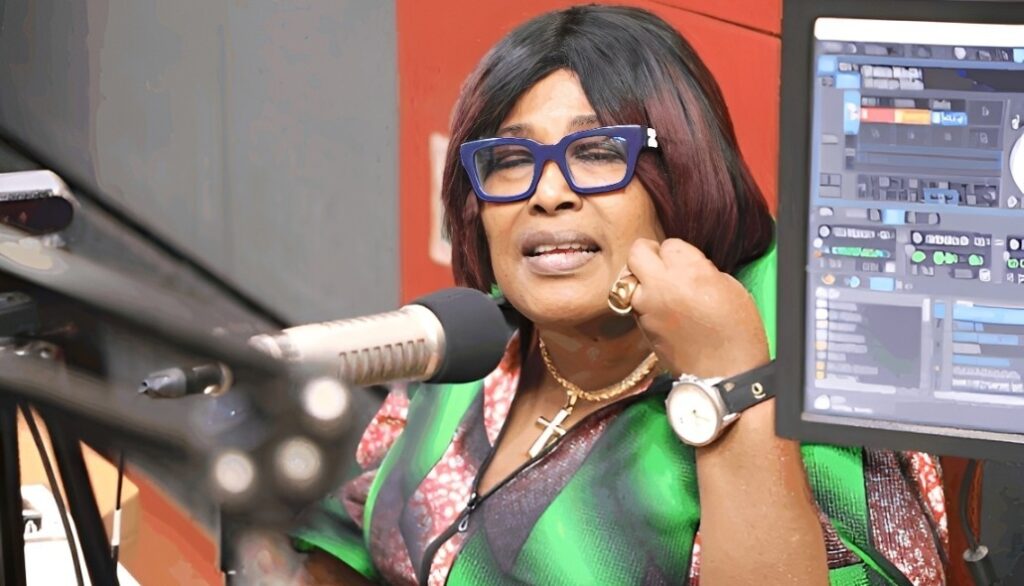
A claim by political activist and government spokesperson Nana Yaa Jantuah has ignited fresh debate, after she drew a pointed connection between Ghana’s recurring June 3 disasters and the periods when President John Dramani Mahama has been in office.
Speaking on Asempa FM’s Ekosii Sen programme on Thursday, June 4, Jantuah said the pattern had become too striking to dismiss — and called on Ghanaians to confront what she described as a spiritual dimension to the recurring tragedies.
“Why do we record flood and fire disasters on June 3rd only when Mahama is in power? We have to break this spiritual pattern. It is not normal,” she stated.
The Shadow of June 3
Jantuah’s remarks land against the backdrop of one of the darkest dates in Ghana’s recent history. On June 3, 2015 — during Mahama’s first presidency — catastrophic flooding in Accra triggered a massive explosion at a fuel station near Kwame Nkrumah Circle. More than 150 people lost their lives in the disaster, with scores more injured and displaced. The tragedy left a deep scar on the national consciousness, and the date has carried a heavy weight ever since.
It is that weight that Jantuah believes demands more than institutional explanations. While she did not dismiss the role of poor drainage systems and inadequate infrastructure, she argued that the repeated convergence of major disasters around the same date under the same leader raises questions that go beyond the physical.
The reaction to her comments has been predictably split. Some listeners and social media users have found her observations unsettling enough to warrant serious reflection, sharing the view that the recurrence of tragedies around June 3 cannot be entirely coincidental. Others, however, have pushed back firmly — arguing that floods and fire disasters are the direct consequence of infrastructure failures, environmental mismanagement, and human activity, and that framing them in spiritual terms risks distracting from the urgent policy solutions the country needs.
Calls For Replacement Of Ghana’s False News Law Intensify
That tension reflects a broader and longstanding debate in Ghana about how to interpret recurring national misfortunes — and how much weight to give spiritual or metaphysical explanations alongside structural ones.
What the Experts Say
For their part, urban planners, engineers, and disaster management experts have consistently pointed to a familiar set of culprits: choked and inadequate drainage systems, indiscriminate dumping of waste into waterways, construction on flood plains, and the pressures of rapid, poorly regulated urbanisation. Government officials, across successive administrations, have repeatedly called for stronger enforcement of planning regulations — with limited results.
Whether Jantuah’s remarks shift the national conversation or simply add another layer to it, they have succeeded in ensuring that June 3 remains a date that Ghana cannot — and perhaps should not — move past too quickly.