Businessman Ibrahim Mahama has stepped forward with a significant gesture of solidarity, offering 100 employment opportunities through his company Engineers and Planners to Ghanaian nationals evacuated from South Africa following a wave of xenophobic attacks and anti-immigrant unrest that has upended the lives of thousands.
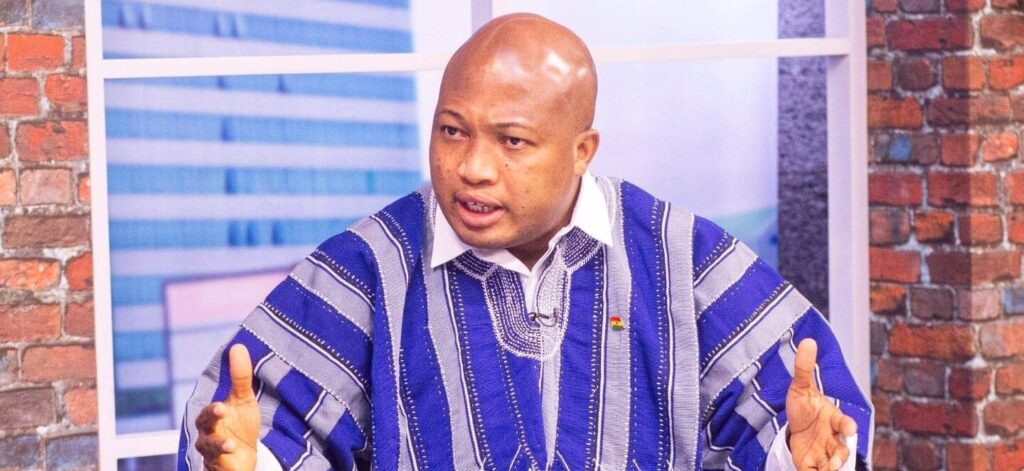
The announcement came on the night of Saturday, June 7, 2026, when Minister for Foreign Affairs Samuel Okudzeto Ablakwa received a fresh batch of returnees at the Accra International Airport — men and women who left South Africa having lost businesses, livelihoods, and assets built over years of hard work abroad.
Addressing the evacuees directly, Minister Ablakwa delivered what he framed as an early but meaningful sign that Ghana’s private sector was ready to stand behind its returning citizens.
“I am so impressed that already, about 200 jobs have been secured for you and leading the path is Mr. Ibrahim Mahama’s Engineers and Planners. They have offered over 100 jobs,” Ablakwa told the assembled returnees.
The figure represents only the opening chapter of what the minister suggested would be a growing corporate response.
Telecommunications giants AirtelTigo and Telecel have also pledged their support, and Ablakwa indicated that more chief executives were actively reaching out to join the reintegration effort.
The arrivals on Saturday night form part of a broader government evacuation operation that has now brought more than 1,500 Ghanaian nationals home following renewed xenophobic violence in parts of South Africa. The first flight of the latest batch carried approximately 345 evacuees, with a second flight transporting more than 300 additional passengers expected to follow as the exercise continues.
How Europe Is Rethinking Its Relationship With Africa
These are not statistics — they are Ghanaians who built lives, ran businesses, and planted roots in a foreign country, only to find themselves caught in the crossfire of a social crisis not of their making. Many return with little more than what they could carry.
The government of Ghana has placed reintegration firmly at the heart of its response to the crisis, framing the evacuation not merely as an act of rescue but as the beginning of a longer process of rebuilding.
Government says the programme will encompass employment placement, financial support, and other targeted interventions designed to help returnees regain their footing on home soil.
The convergence of government action and private sector mobilisation — with Ibrahim Mahama’s Engineers and Planners leading the corporate charge — sends a signal that Ghana’s response to this crisis intends to go beyond the airport runway. The real test, for both government and business, will be whether that early momentum translates into sustained, meaningful support for every Ghanaian who came home with nothing but the determination to start again.
One thought on “Jobs Already Secured — Ablakwa Delivers Good News To Ghanaian Evacuees”