A prominent member of the New Patriotic Party has offered a candid and politically significant assessment of the current landscape — acknowledging that President John Dramani Mahama’s rising public approval is creating real difficulties for the opposition as it attempts to mount an effective critique of the ruling government.
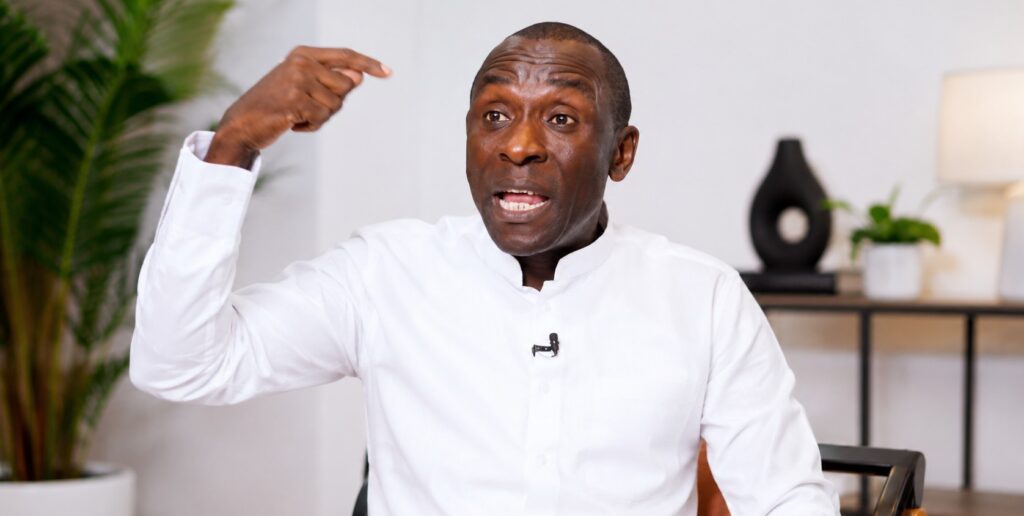
Ernest Owusu Bempah, speaking in a recent television interview, suggested that the president’s performance has resonated so strongly with a broad cross-section of Ghanaians that vocal NPP defenders risk coming across as out of touch — disconnected from a public mood that has, for now, swung decisively in the NDC’s favour.
Owusu Bempah’s remarks carry particular weight because they come from within the opposition’s own ranks. His assessment was pointed: the Mahama administration’s handling of key governance issues — from appointments to economic management — has made the National Democratic Congress a more attractive political proposition, particularly among younger Ghanaians who are watching closely and forming their own conclusions.
In effect, he is arguing that the NPP is not merely facing a popularity gap — it is facing a credibility problem. When public sentiment tilts this strongly toward an incumbent, those who push back too forcefully can find themselves alienated from the very voters they need to win back.
This is not the first time Owusu Bempah has sounded the alarm. He has previously cautioned that the opposition faces compounding political setbacks if it fails to reorganise meaningfully and rebuild its connection with the electorate — warnings that, in light of his latest comments, appear more urgent than ever.
Omanhene Kwabena Asante Backs Mahama, Calls For Genuine Reset Strategy
Central to his concern is the shifting calculus of Ghana’s youth vote. Young people entering political consciousness are, he argues, evaluating parties on different terms than previous generations — prioritising what they perceive as effective governance, political openness, and genuine inclusiveness over traditional party loyalty or ethnic affiliation. On those metrics, he suggests, the NDC is currently winning the argument.
What makes Owusu Bempah’s intervention notable is its honesty. Political self-criticism of this nature — publicly acknowledging that your party is losing the narrative and struggling to connect — is rare, and it reflects the scale of the challenge the NPP now faces.
The opposition has time before the next electoral contest, but the window for meaningful repositioning is not unlimited. As Mahama’s administration continues to build goodwill and the NDC consolidates its appeal among younger voters, the NPP faces a fundamental question: does it have the internal discipline and strategic clarity to mount a credible fightback — or will it allow the current momentum to harden into something far more difficult to reverse?