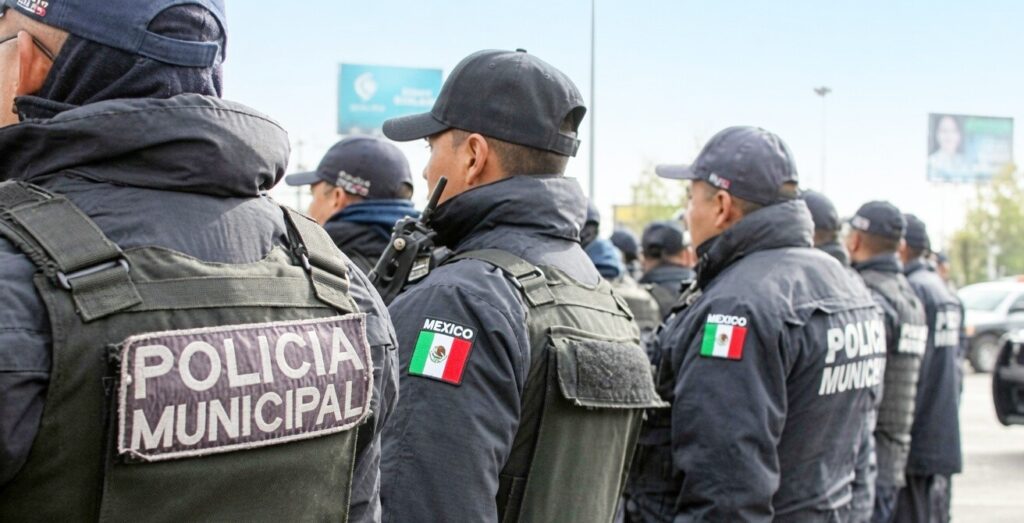
Mexico is significantly ramping up police and security deployments around Zócalo plaza in Mexico City as authorities scramble to protect the flagship World Cup fan festival from disruption amid a wave of social unrest sweeping the capital.
The government of President Claudia Sheinbaum has made its position unambiguous: despite the turbulence on the streets, Zócalo will remain open and operational throughout the tournament. Historic landmarks surrounding the plaza — including the Catedral Metropolitana and the ancient Aztec ruin Templo Mayor — have been placed under lockdown, but the fan festival venue itself will not be surrendered to protest pressure.
The timing could hardly be more fraught. Up to 100,000 people are expected to descend on the official fan festival when Mexico kicks off their World Cup campaign against South Africa at the iconic Azteca Stadium on Thursday — an occasion that would ordinarily be one of pure national celebration. Instead, it unfolds against a backdrop of mounting civil unrest that has drawn teachers, judges, animal rights campaigners, and the families of Mexico’s 130,000 missing persons onto the streets of the co-host nation’s capital.
The scale and diversity of the protests paint a picture of a society with deep and varied grievances, all converging on the same city at the same historic moment.
Teachers, Teargas and Blocked Streets
The most organised and disruptive force has been the CNTE teachers’ union, whose members brought traffic across Mexico City to a standstill on Friday with demands for improved working conditions. Other protest groups went further — breaking into government buildings and staging a football match on a blockaded street in scenes that underscored the breadth of public frustration.
Katy Perry To Headline The Special 2026 FIFA World Cup Opening Ceremony At SoFi Stadium
Earlier in the week, riot police deployed teargas against a group of demonstrating teachers who breached one of the metal barriers erected around Zócalo while the fan festival arena was still under construction. The confrontation marked a significant escalation in tensions between authorities and protesters.
CNTE’s Pedro Hernandez Morales has since issued a direct challenge to the government, warning that the fan festival will not proceed if union demands go unmet. The Sheinbaum administration has refused to yield.
The World Cup vs Social Crisis
The stand-off has exposed a deeper political fault line. Activist groups have sharply criticised Sheinbaum’s administration for what they describe as a deliberate prioritisation of World Cup spectacle over urgent social needs — particularly a cost-of-living crisis that many attribute in part to the pressures of foreign tourism on local communities. With protests expected to continue throughout the tournament, the tension between Mexico’s role as a proud World Cup co-host and the social realities faced by its citizens shows no sign of easing.
In the midst of the political firestorm, President Sheinbaum has announced she will watch Mexico’s opening match not from the stands of the Azteca Stadium, but alongside fans at the Zócalo festival. The gesture carries clear symbolic intent: a head of state choosing to stand with the people rather than in the VIP box, even as her government faces accusations of losing touch with ordinary Mexicans.
Whether that symbolism translates into political goodwill — or is overshadowed by teargas and protest lines — may depend on how the next few days unfold on the streets of Mexico City.