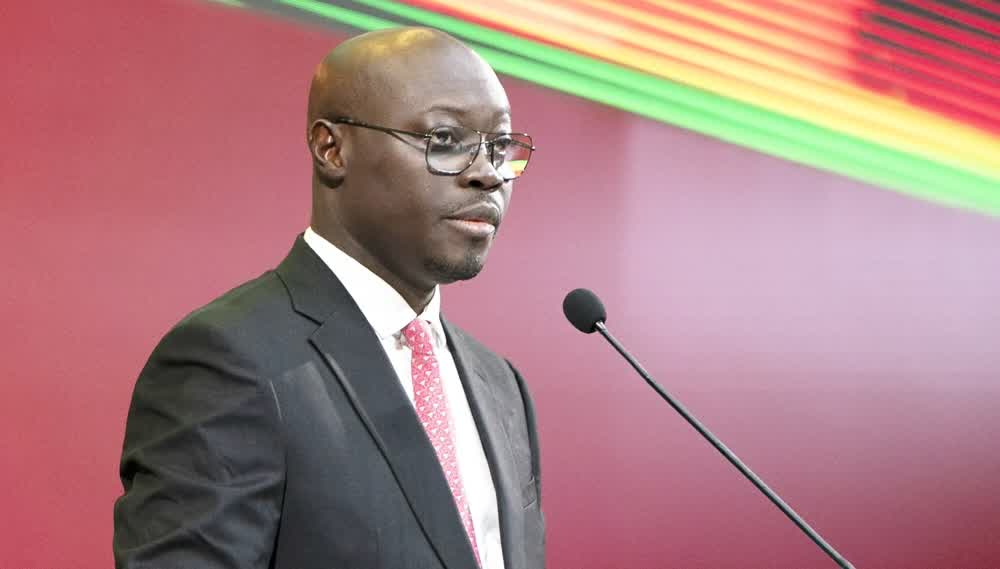
Finance Minister Dr. Cassiel Ato Forson has presented the Value for Money Office Bill to Parliament, calling it a key measure to combat longstanding inefficiencies in Ghana’s public financial management.
In his address to the House, Dr. Forson highlighted that the bill targets ongoing issues such as inflated contracts, abandoned projects, cost overruns, and wasteful spending.
The legislation aims to establish a robust, comprehensive value-for-money framework, ensuring that every cedi of government expenditure maximizes benefits for citizens through principles of economy, efficiency, effectiveness, equity, and sustainability.
Dr. Forson described the proposed Value for Money Office as an independent, specialized oversight body with a focused technical role. It will perform value-for-money evaluations, require mandatory Value for Money Certificates prior to awarding significant contracts, oversee adherence to rules, and apply penalties for non-compliance.
The minister stressed that the bill’s primary goal is to bolster fiscal discipline, cut down on waste, build greater public trust, and reinforce the nation’s overall governance and accountability structures.
G-24 2026: Mobilising Finance For Sustainable And Inclusive Growth
He added that the office would help eliminate contract inflation, standardize pricing across government institutions, and fundamentally improve public financial management. Through enhanced monitoring and enforcement, it is anticipated to deliver real cost savings, elevate project quality, and support fairer allocation of resources.
Dr. Forson pointed out that the bill draws from global best practices in public spending oversight, referencing models like those from the National Audit Office, the U.S. Government Accountability Office, and value-for-money systems in Canada and other developed countries that have improved accountability and resource optimization.
In closing, he noted that creating the Value for Money Office would boost public confidence, attract investor trust, and guarantee that government investments yield concrete social and economic gains for all Ghanaians.
One thought on “Finance Minister Introduces Value For Money Office Bill In Parliament”