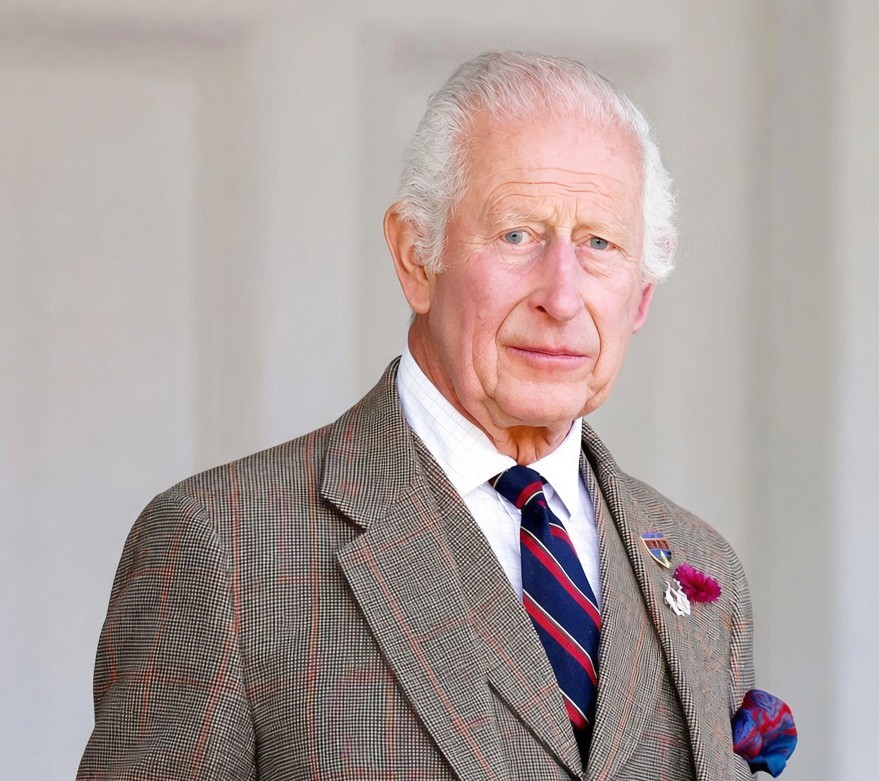
King Charles III traded ceremonial duties for AI diplomacy on Thursday, September 17, gathering senior executives from Nvidia, OpenAI, Anthropic and Google DeepMind at Dumfries House, his Ayrshire estate, for a summit aimed squarely at one of the defining anxieties of the decade: whether humanity can still steer the technology it has built.
The gathering wasn’t about announcements or deals. It was about conversation — specifically, whether the world’s leading AI developers could agree on a shared set of principles to guide the technology’s growth responsibly.
The event’s stated ambition was to explore how AI could serve society and the natural world, rather than simply outpace both.
The King didn’t mince words. In his address, he described the current moment in AI development in strikingly personal terms:
“The development of AI – its substance and its pace – are both intriguing and deeply concerning in equal measure.”
He went further, framing the stakes as nothing less than existential trust between humanity and the technology it is racing to build:
“Those in our world who value our humanity and its vital moral component are anxiously seeking your reassurance that we will not lose control of our destiny.”
Beyond the headline attendees, the King welcomed representatives from Google DeepMind and the UK’s AI Minister, Kanishka Narayan, among other officials and industry figures.
The summit itself was convened jointly by three organizations tied to the monarch: The King’s Trust, The King’s Foundation, and the Sustainable Markets Initiative.
Rather than simply sounding an alarm, Charles used much of his remarks to push for something harder to achieve — international consensus. He framed the moment as historically decisive, one whose outcomes would ripple far beyond the room at Dumfries House.
“The decisions taken at this formative time will shape the world inherited by future generations. And so, the task before you is not merely to advance technology, but to ensure that it remains firmly in the service of humanity, community and the natural world.”
The summit lands in the middle of an unusually intense stretch for AI safety discourse. Over the past two weeks, a striking coalition of industry leaders — OpenAI’s Sam Altman, Anthropic’s Dario Amodei, Google DeepMind’s Demis Hassabis, and even Elon Musk — have broken from typical competitive posturing to jointly call for a slowdown in AI development and greater regulatory oversight.
France Remains The Most Visited Country In The World
Not everyone agrees. U.S. President Donald Trump, Meta’s Mark Zuckerberg, and Nvidia’s Jensen Huang have all pushed back against tighter regulation, arguing against measures they see as stifling progress.
Adding further weight to the safety camp, several of the field’s own pioneers — the very researchers who helped build the technology’s foundations — have issued warnings about the potentially catastrophic risks tied to advanced AI systems’ growing capabilities.
The ripple effects have reached Capitol Hill. Lawmakers from both parties have floated legislation aimed at slowing AI’s unchecked advance, while President Trump used Monday to forcefully reject the growing chorus demanding tighter regulatory oversight — underscoring just how divided the response to this moment remains, even as the King’s summit sought common ground.