Ghana’s long-standing housing affordability crisis has taken center stage once again, with the leadership of the Rent Control Department calling out political legacies while rallying behind a fresh enforcement push.
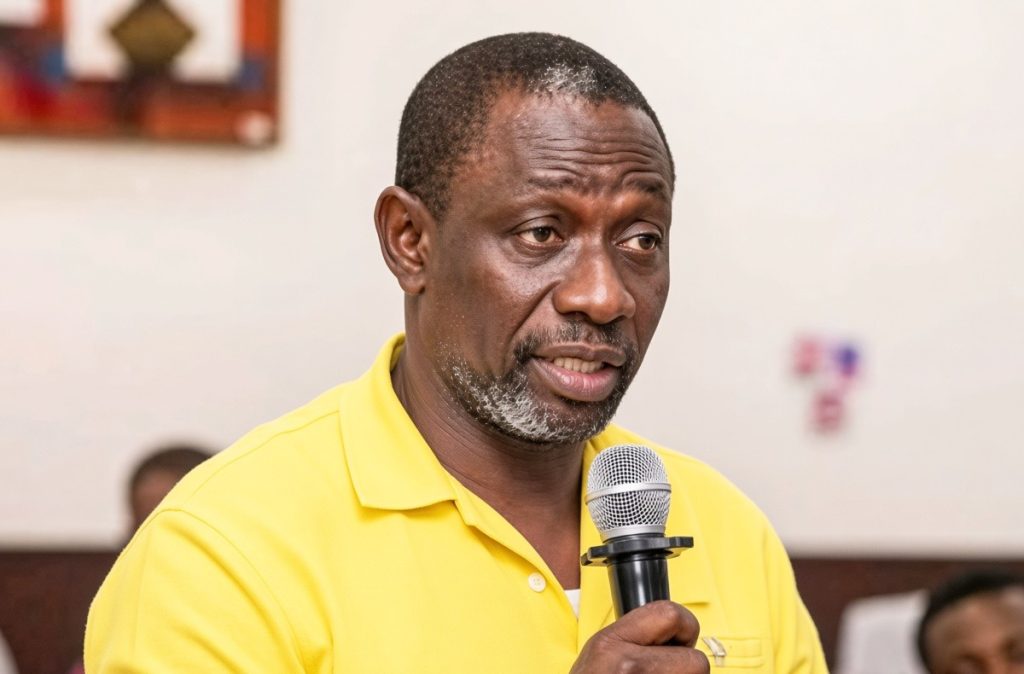
Speaking candidly during a broadcast on Okay FM with host Nana Romeo, Frederick Opoku, the Acting Rent Control Commissioner, traced the structural breakdown of the national rental market directly to past policy failures while signaling a major shift toward strict legal compliance.
Opoku did not hold back in evaluating how the country’s housing environment deteriorated to its current state. He pointed to the policy decisions and passive oversight under the administration of former President Nana Addo Dankwa Akufo-Addo as primary drivers of today’s market distress.
According to Opoku, years of lax regulatory oversight allowed unlawful practices—such as excessive advance rent demands, unapproved price hikes, and foreign currency indexing—to become deeply entrenched norms rather than illegal exceptions.
In contrast to past approaches, Opoku praised President John Dramani Mahama for confronting the housing market’s illicit practices head-on. He highlighted Mahama’s willingness to publicly address the illegal landlord practice of demanding years of rent in advance—a direct breach of established tenancy law.
“I have never heard a sitting president in Ghana like Mahama having the courage to speak about why landlords are taking more than six months’ rent advance, which is contrary to the laws of the land.” Frederick Opoku, said.
Opoku emphasized that public presidential backing changes the operational dynamic for regulators across the country:
Legal Accountability: Landlords who breach Section 25 of the Rent Act must face direct prosecution in rent courts.
Administrative Urgency: Executive support serves as an explicit directive for state appointees to execute their statutory duties without hesitation.
Systemic Fairness: Aligning executive leadership with regulatory enforcement establishes a foundation for consumer protection in the housing market.
The housing affordability crisis in Ghana remains driven by three persistent practice areas:
- Extravagant Advance Payments: Demanding one to two years (or more) of lump-sum rent upfront, far exceeding the legally mandated six-month ceiling.
- Dollarization of Rents: Quoting and collecting rental payments in foreign currencies rather than Ghana Cedis, eroding local purchasing power.
- Unilateral Price Increases: Raising rental rates without seeking the required prior assessment and authorization from the Rent Control Department.
‘I Am Not Just Bluffing’ — Acting Rent Control Boss
To curb these practices, the Rent Control Department launched a broader enforcement campaign in August 2026. The department reaffirmed that any landlord seeking to adjust rental charges must first submit a formal application for official review and approval.
Despite institutional constraints, including chronic underfunding and resource shortages, the Department is positioning itself as an active regulator. By combining public advocacy, legislative enforcement under Section 25, and direct executive backing, the agency aims to bring transparency and legal discipline back to Ghana’s real estate sector.