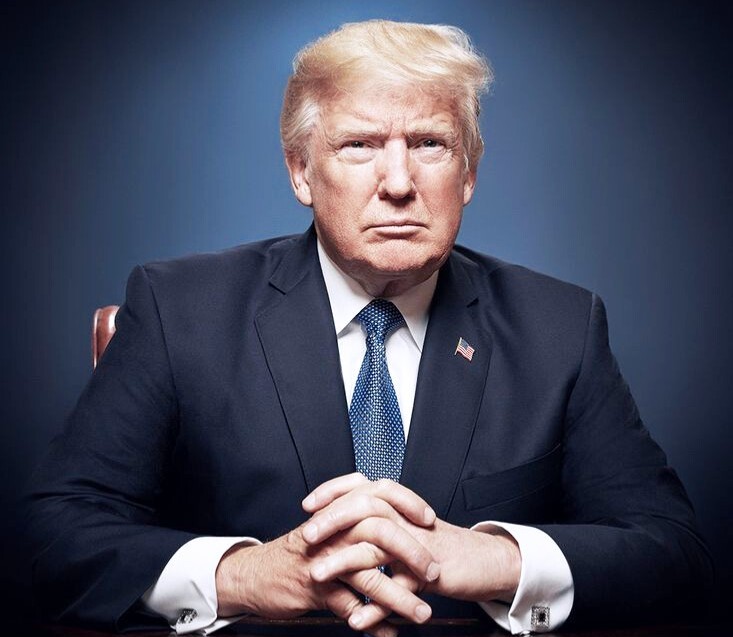
President Donald Trump pledged that the U.S. Navy would escort oil tankers through the Strait of Hormuz if needed to restore the flow of energy exports. The commitment comes as hundreds of vessels remain stranded in the Persian Gulf following a series of Iranian attacks that have brought commercial shipping through the waterway to a virtual halt — raising serious doubts about whether sufficient naval resources are available in the region to guarantee safe passage.
Oil markets have reacted sharply to the crisis. U.S. crude prices have climbed 28% this week to over $86 a barrel, while the global benchmark Brent crude has risen 22% to $89 a barrel. Wall Street analysts warn that a prolonged closure of the Strait could push Brent above $100 per barrel — a threshold that many economists believe could tip the world into recession.
The Strait of Hormuz is the sole maritime gateway connecting the Persian Gulf to global shipping lanes. In 2025, more than 14 million barrels of crude passed through it daily — roughly a third of all oil exported by sea worldwide, according to energy consultancy Kpler. Under normal circumstances, around 100 tankers and cargo ships transit the Strait each day. Currently, approximately 400 vessels are bottled up in the Gulf as a result of the conflict.
Trump’s assurances — including signals that the administration would offer political risk insurance to vessel owners — helped stabilize oil markets earlier this week. But significant uncertainty remains. A British Navy vessel reported a large explosion aboard a tanker anchored in Iraqi territorial waters, underscoring the ongoing danger.
Helima Croft, head of global commodity strategy at RBC Capital Markets, highlighted a central strategic tension: the Navy may lack the capacity to simultaneously escort commercial shipping and sustain military operations against Iran. Ship owners, she noted, are unlikely to resume transits until they see a sustained period free of attacks — not just political assurances.
Trump To Move Weed To Schedule III This Year
The situation echoes a historical precedent. The U.S. Navy escorted tankers through the Strait in 1987 during the Iran-Iraq War, when commercial vessels came under fire. That mission, however, did not coincide with active hostilities against the Iranian government itself — a complication that makes the current operation significantly more complex.
Energy Secretary Chris Wright acknowledged the tension, noting that military resources are presently focused on neutralizing Iran’s strike capabilities.
“In the not too distant future, we’ll be able to use the Navy to get energy flowing again,” he said, “but in the meantime markets are very well supplied.”
The White House has not offered a timeline for when the Strait will reopen to safe commercial navigation, press secretary Karoline Leavitt confirmed Wednesday.
Analysts warn that the longer the blockage persists, the more severe the downstream consequences become.
Natasha Kaneva, head of global commodities research at JPMorgan, cautioned that Gulf producers could exhaust their storage capacity as crude accumulates with no outlet — potentially forcing production shutdowns and driving Brent as high as $120 per barrel. Iraq has already reported cutting output by 1.5 million barrels per day due to storage constraints, with officials warning that figure could double within days if conditions do not change.