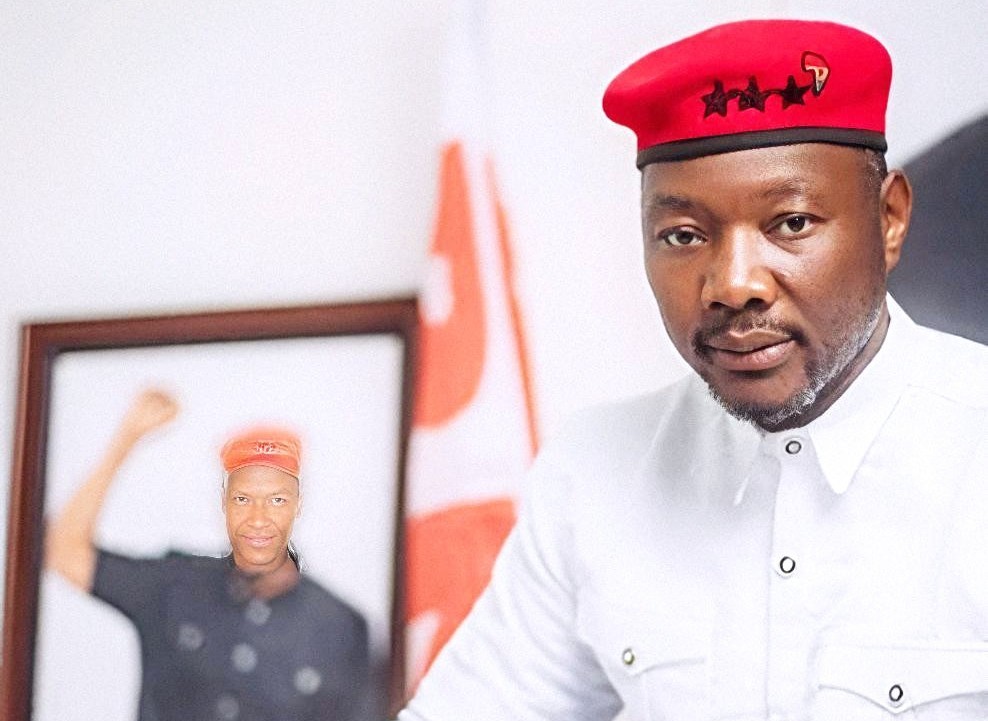
Prominent political figure Bernard Mornah has launched a stinging critique against the political establishment, taking aim at what he views as a glaring culture of hypocrisy that threatens to hollow out the foundation of Ghana’s democratic system.
In a candid assessment of the nation’s political landscape, Mornah called out the double standard of politicians and party delegates who vocalize fierce outrage against state-level corruption, yet eagerly embrace financial hand-outs and material inducements when selecting candidates during internal party primaries.
“Our democracy is being bastardized,” Mornah warned. “More often than not, we condemn corruption in government while rewarding vote buying within our various political parties.”
A Dangerous Precedent for Leadership
Mornah’s intervention zeroes in on a fundamental flaw within current electoral dynamics: the false separation between how money is used to secure party nominations and how elected officials behave once they assume public office. He argued that political organizations cannot convincingly position themselves as crusaders for transparency and good governance if their internal machinery actively favors the highest bidder.
The widespread prevalence of vote buying—where cash gifts, goods, or promises of patronage dictate electoral outcomes—threatens to replace merit-based competition with purely financial contests.
Why Are Politicians Accused Of Corruption Rarely Seen Behind Bars?
When financial clout overshadows leadership capacity, vision, and track record, competent candidates without deep pockets are routinely sidelined.
While Ghana continues to be praised internationally for its peaceful transitions of power and stable constitutional rule, the growing monetization of internal party processes poses a quiet, systemic threat to the quality of its governance. Mornah pointed out that leaders who buy their way onto electoral ballots enter office bound to financial backers and corrupt incentives rather than a duty to serve the public interest.
The ultimate fallout extends far beyond individual primary results. When political parties treat vote buying as a standard strategy for securing power, they erode public trust and compromise the very standards of integrity they promise to uphold in state administration.
Mornah’s central message serves as an urgent wake-up call to political stakeholders across the country: true democratic reform must begin at home. Until party members and leaders hold their internal processes to the same ethical standards they demand from government officials, anti-corruption rhetoric will remain empty promises.
If Ghana is to safeguard the credibility of its political institutions, its political establishment must directly confront this contradiction and ensure that leadership is earned through ideas and integrity—not purchased with cash.