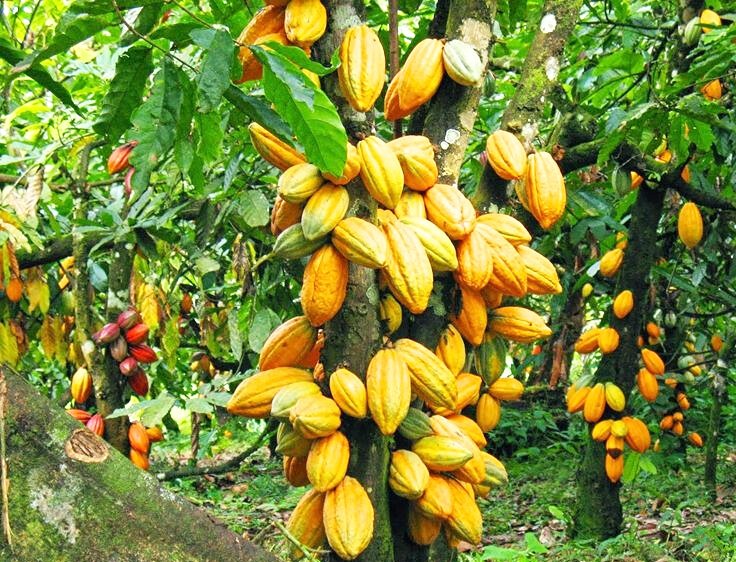
Months after delivering their beans, thousands of Ghana’s cocoa farmers remain unpaid — and the frustration in farming communities is reaching a breaking point.
As of March 11, 2026, farmers who supplied cocoa as far back as November 2025 have yet to see payment, despite a government announcement that approximately GH¢3.62 billion — around $337 million — had been released to Licensed Buying Companies (LBCs) to settle outstanding arrears. On the ground, however, farmers and purchasing clerks say the money has not arrived.
Where the Money Is Getting Stuck:
The gap between announcement and reality comes down to a chain of structural problems embedded in Ghana’s cocoa payment system. Funds released by the government must travel through several layers — from COCOBOD to Licensed Buying Companies, then to purchasing clerks, and finally to farmers themselves. At each stage, delays accumulate. But the deeper problem may be debt. Licensed Buying Companies are reported to owe Ghanaian banks between GH¢7 and GH¢8 billion in outstanding loans, raising concerns that a portion of the released funds is being absorbed to service those debts before reaching farmers.
Bernard Mornah Calls For Arrests In Cocoa Sector Mess Now!
COCOBOD itself is under significant financial strain, burdened by losses from previous cocoa contracts and mounting financing challenges. Adding to the liquidity crisis, international traders have grown increasingly reluctant to pre-finance cocoa purchases under the current system — a shift that has tightened cash flow across the entire supply chain.
Government’s Timeline and What’s at Stake
A senior presidential official has indicated that the government expects to clear the arrears within two to three weeks as additional funds are released to buying companies. For farmers, that timeline cannot come soon enough.
The consequences of delayed payment are already being felt. Many farmers say they cannot afford fertilizer or hire labor ahead of the next growing season — costs that, if deferred, will affect yields for years to come.
Across Ghana’s cocoa belt, the crisis is touching hundreds of thousands of farming families, compounding hardships brought on by the season’s steep producer price cuts and raising urgent questions about the stability of the sector as a whole.