British government borrowing costs surged to their highest level since the 2008 financial crisis on Friday, March 20, with the benchmark 10-year gilt yield breaching the 5% mark as investors scrambled to price in mounting inflation risks and a growing likelihood of interest rate hikes later this year.
The UK bond market has undergone a sharp repricing in the wake of escalating tensions from the Iran war. Yields on the benchmark 10-year gilt have climbed roughly 68 basis points across the 15 trading days since the conflict erupted, while the 2-year gilt yield has surged by approximately 97 basis points over the same period. On Friday alone, 2-year gilt yields jumped 19 basis points to around 4.602% — their highest level in more than a year.
Britain’s bond market has proven particularly vulnerable to fears of resurgent inflation as the US-Iran war drags on, due in large part to the country’s heavy reliance on imported energy. The conflict, and the subsequent blockade of the Strait of Hormuz — a critical artery for global oil shipments — has sent oil and gas prices soaring.
Even before hostilities broke out, the UK already carried the highest government borrowing costs of any G7 nation, with long-term 20- and 30-year gilts trading well above the critical 5% threshold. Yields on those bonds rose by around 9 and 7 basis points respectively on Friday.
Financial advisors say markets are now rapidly unwinding expectations of rate cuts from the Bank of England. The central bank’s Monetary Policy Committee said on Thursday that it had voted unanimously to hold its benchmark interest rate steady, warning that inflation would rise in the near term as a result of the fresh shock to the economy.
Bank Of Ghana Champions Quality Financial Reporting In Ghana
Prior to the war, the Bank of England had been widely expected to begin cutting rates. That calculus has shifted dramatically. Markets are now pricing in virtually zero chance of a rate cut this year, with the vast majority of traders anticipating a hike as early as next month, according to LSEG data. Most are also pricing in a key rate of at least 4.25% by year-end — implying a minimum of two rate increases.
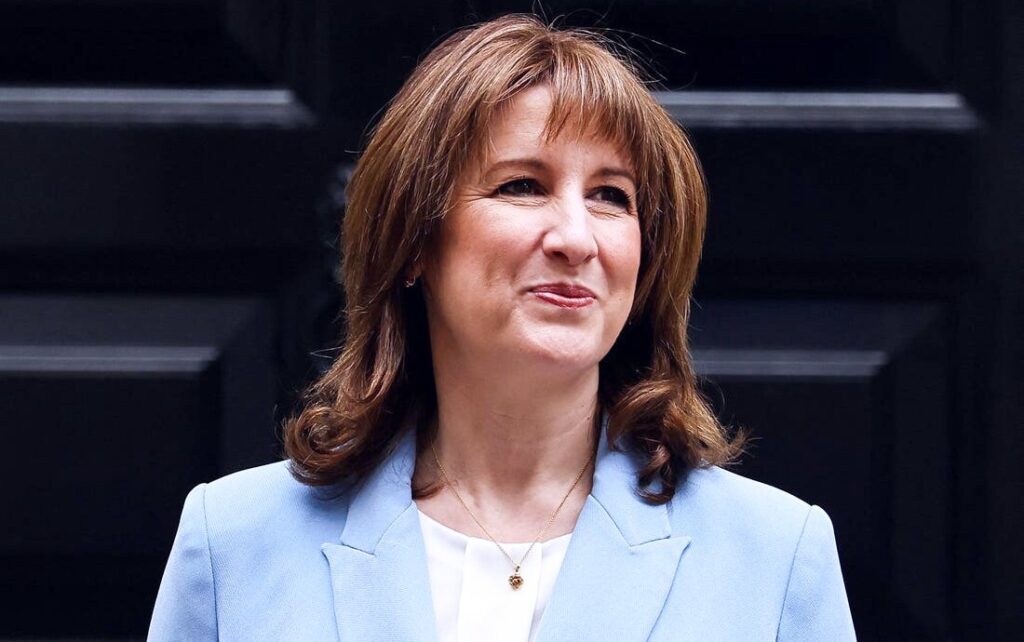
Finance Minister Rachel Reeves has anchored her fiscal framework on stability and credibility, but rising yields translate swiftly into higher borrowing costs, narrowing her room for manoeuvre at precisely the moment pressure is intensifying for additional support on energy bills and household finances. The UK government’s borrowing came in at a higher-than-expected £14.3 billion in February alone.
Reeves has pledged to bring day-to-day government spending in line with tax revenues — eliminating reliance on borrowing to fund public services — while also committing to ensure public debt is falling as a share of economic output by 2029-30. Those targets now face a stiffer test.
For their part, fund managers say they are resisting any knee-jerk reactions to the rapidly evolving news flow surrounding the conflict.