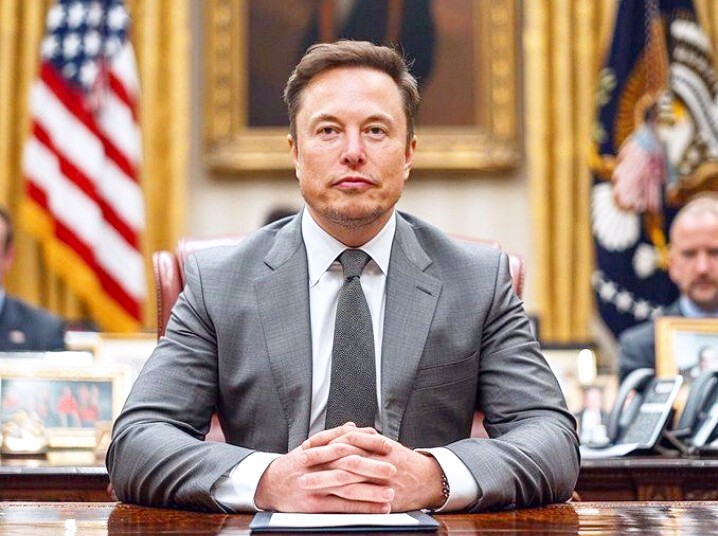
It has been a week of headlines for Elon Musk — a courtroom setback, a public gesture toward government workers, and fresh announcements from across his sprawling business empire.
A federal jury in San Francisco delivered a split decision against Musk on March 20, 2026, finding him liable for misleading Twitter investors through a series of tweets posted in May 2022 that prosecutors argued were designed to artificially suppress the company’s stock price ahead of his $44 billion acquisition of the platform.
The jury found that Musk’s statements defrauded affected shareholders — a significant finding that could expose him to damages estimated by some reports at up to $2.5 billion in compensation.
However, jurors stopped short of holding him liable on broader claims of a coordinated scheme to defraud, acquitting him on several counts. The outcome has widely been characterised as a partial victory for both sides. Musk’s legal team has confirmed plans to appeal.
Away from the courtroom, Musk made headlines for a different reason — publicly offering to cover the salaries of Transportation Security Administration workers caught in the crossfire of the ongoing partial U.S. government shutdown.
Apple Buys Polish Startup MotionVFX In A Big Push To Rival Adobe
With airports reporting long queues, travel disruptions, and staffing shortages, Musk framed the offer as a way to protect essential workers and limit the impact on the travelling public. The gesture came as his net worth, tracked in real time by Forbes, sits in the range of $814 to $839 billion — the highest of any individual on earth by a considerable margin.
Chips, Robots, and the Moon
On the technology front, Musk unveiled what he described as a landmark “chip building exercise” — billed as the most ambitious semiconductor scaling effort in history — aimed at dramatically expanding artificial intelligence computing capacity, likely tied to synergies between xAI and Tesla.
Elsewhere across his business empire, Tesla is targeting widespread U.S. coverage for its robotaxi service by the end of 2026, while production of the Optimus humanoid robot continues to ramp. SpaceX, meanwhile, appears to have shifted its long-term focus, with lunar infrastructure now taking precedence over Mars timelines — with Musk describing ambitions to build what he called a “self-growing city” on the Moon.