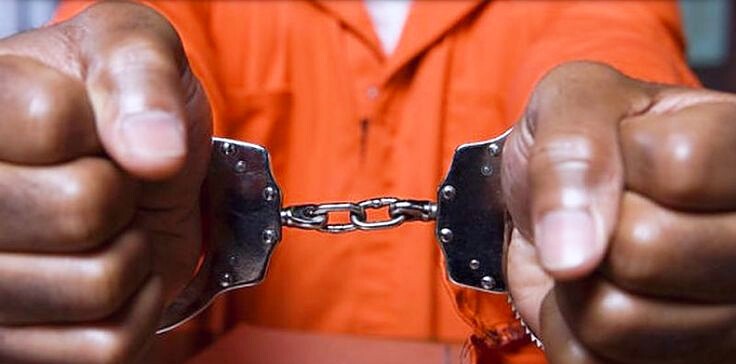
Selective justice in Ghana captures a painful reality that many Ghanaians confront daily— a justice system that often feels rigged, where the scales tip heavily against the vulnerable while shielding the powerful. It’s not just frustration—it’s a deep-seated sorrow over inequality baked into the very institutions meant to protect everyone equally.
Recent surveys and reports paint a stark picture. According to a December 2025 Afrobarometer dispatch, a majority of Ghanaians—around 62%—believe people are “often” or “always” treated unequally under the law. The same proportion feels judges and magistrates frequently base decisions on the influence of powerful figures (politicians, elites, or well-connected individuals) rather than the law itself.
Trust in courts remains low, with only about 35% expressing “somewhat” or “a lot” of confidence, and perceptions of judicial corruption linger despite slight improvements in some metrics.
This isn’t abstract. Everyday examples highlight the divide:
Petty offences hit the poor hardest: Minor crimes like theft driven by desperation often lead to swift arrests, fines the offender can’t pay (resulting in jail time under default provisions), or lengthy pre-trial detention in overcrowded facilities. Meanwhile, high-profile corruption cases involving billions—exposed in Auditor-General reports or OSP probes—drag on for years with minimal convictions, especially against top officials. The OSP, despite investigations since 2021, has secured few high-impact outcomes, often limited to lower-level figures.
Access barriers widen the gap: Legal aid is underfunded and underutilized—only about one in five citizens even knows it exists. The poor, rural residents, or marginalized groups (including women, youth, or persons with disabilities) face geographic hurdles, high costs, and intimidation. In contrast, elites can afford top lawyers, delay tactics, or leverage connections for bail, adjournments, or favorable settlements.
GH¢1.5 Billion Frozen Under ORAL — Government Clarifies
Corruption perceptions fuel the fire: IMF governance diagnostics and Afrobarometer data flag systemic issues—political interference, weak oversight, and “selective enforcement.” In sectors like galamsey (illegal mining), laws exist but are inconsistently applied: connected operators evade crackdowns, while small-scale or poor miners face harsh penalties. Broader economic crimes (e.g., procurement fraud or public fund misuse) rarely end in accountability for the elite, breeding cynicism that “justice is for sale.”
This two-tier reality erodes faith in democracy and the rule of law. When the poor see swift punishment for survival-level wrongs but endless delays or impunity for grand theft, it reinforces hopelessness: prisons fill with the marginalized (over 150% capacity in many facilities), while systemic looting drains billions that could fund schools, hospitals, or jobs.
It’s sad because Ghana’s Constitution promises equality before the law (Article 17), yet lived experience tells a different story. Reforms—like the Community Service Bill 2026 for minor offences, expanded legal aid, or stronger anti-corruption enforcement—offer hope, but implementation lags amid resource constraints and political will gaps.
True justice demands more than laws on paper. It requires impartial courts, accessible representation, swift yet fair processes, and zero tolerance for influence-peddling. Until the system truly serves the poor as vigorously as it protects the powerful, this divide will persist—and the sadness will deepen. Ghana deserves better: equal justice, not selective mercy.