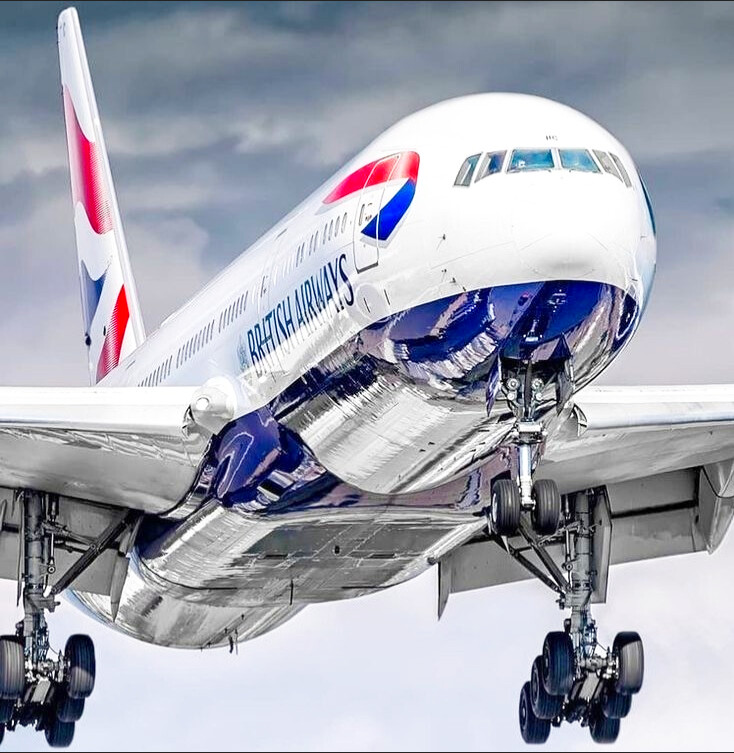
With jet fuel prices spiralling out of control amid the ongoing U.S.-Iran conflict, British Airways is turning to its cockpit crews for relief — offering pilots a financial bonus if they can meaningfully reduce their aircraft’s fuel consumption.
According to documents reviewed by reports, the airline is proposing a bonus worth 1% of base pay for pilots who collectively cut their planes’ carbon dioxide emissions by 60,000 tonnes beyond their 2025 levels. The incentive scheme is being developed in partnership with the British Airline Pilots’ Association (BALPA), with the airline stating it is “fully committed to making improvements to colleagues’ experience at work.”
BALPA, which represents approximately 85% of pilots across the United Kingdom, confirmed that any proposed amendments to terms and conditions will be put to a membership vote — scheduled for the end of April 2026. If approved, the scheme is expected to come into force next year.
The backdrop to British Airways’ move is an aviation industry under severe financial strain. Iran’s blockade of the Strait of Hormuz — through which roughly one-fifth of the world’s oil supply flows — has sent crude prices rocketing past the $100-per-barrel threshold.
International Brent crude has surged nearly 5% to trade at $107 per barrel, while U.S. West Texas Intermediate futures have climbed 4.2% to $94 per barrel.
The ripple effect on jet fuel has been even more dramatic. Prices have surged approximately 106% compared to a month ago, according to data from the week ending March 20 via the International Air Transport Association — a staggering jump that is forcing airlines worldwide to rethink their operations.
Nana Aba Anamoah Is The Latest Brand Ambassador For Nexus Global Services
British Airways is far from alone in feeling the heat. United Airlines CEO Scott Kirby warned earlier this month that the oil price spike would have a “meaningful” impact on the carrier’s first-quarter financials. In a staff memo, Kirby announced plans to cancel unprofitable routes over the next two quarters, with the airline bracing for oil prices to potentially climb as high as $175 per barrel — and remain above $100 through the end of 2027. At those levels, United’s annual fuel bill could balloon to $11 billion.
Elsewhere, Australia’s Qantas and Scandinavian Airlines have begun raising ticket fares to offset rising costs, while Air New Zealand has revised its financial outlook downward for as long as the conflict remains unresolved.
With no clear end to the U.S.-Iran war in sight, airlines are deploying every available lever — from fare hikes and route cuts to pilot incentive schemes — in a race to protect margins against one of the most turbulent fuel environments in aviation history.