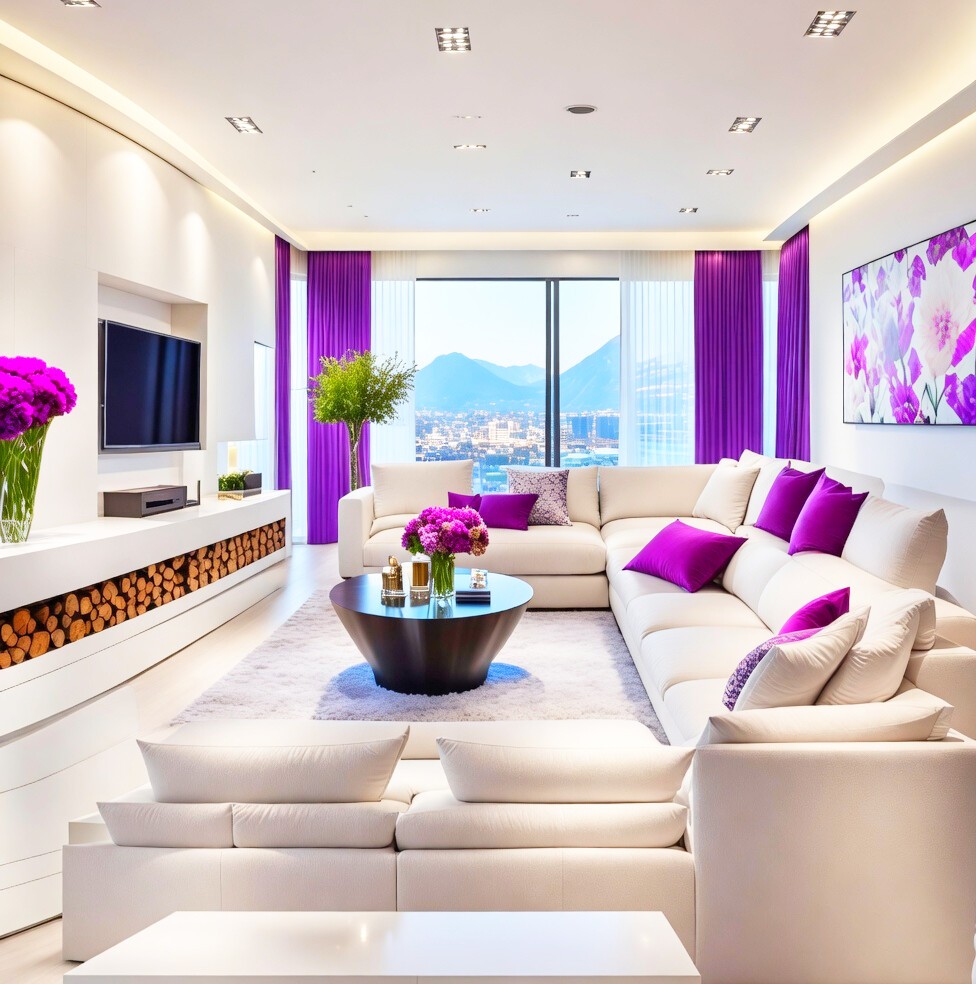
Science and everyday experience agree: a tidy, beautiful living room isn’t a luxury — it’s one of the simplest investments you can make in your mental health, your relationships, and your daily quality of life. The living room is rarely just a room. It is the first space you enter after a long day, the place where guests form their impressions of your home, and the backdrop to some of your most intimate family moments. In several countries, where the living room doubles as a social stage — receiving visitors, hosting family, anchoring the rhythms of daily life — the stakes are even higher.
Yet for most people, it remains an afterthought: tidied in a rush before company arrives and allowed to drift back into comfortable chaos the moment they leave.
That approach, it turns out, costs more than it saves. Research and lived experience increasingly point to the same conclusion — the state of your living room has a measurable effect on how you think, feel, and relate to the people around you.
Here is why that matters, and what it means in practice:
It Quietly Manages Your Stress Levels: Clutter is not neutral. Every pile of unsorted items, every surface buried under miscellaneous objects, sends a low-level signal to the brain that there are unfinished tasks demanding attention. Over time, that signal elevates cortisol — the body’s primary stress hormone — creating a background hum of anxiety that most people cannot quite name but feel constantly.
Studies have found that people who describe their homes as restful recover from daily stress more effectively than those who describe them as cluttered or chaotic. A living room that is organised and visually balanced — thoughtful lighting, colours that do not clash, textures that invite you to sit and breathe — short-circuits that cortisol loop and replaces it with something closer to genuine calm.
It Clears Your Head: The brain is not built to ignore its environment. Visual clutter competes for cognitive attention, making it harder to concentrate, process information, or sustain creative thought. A disordered room does not just look untidy — it actively drains your mental bandwidth. The reverse is equally true. A well-organised living room with good spatial flow and comfortable, intentional furnishings creates the kind of low-distraction environment in which thinking becomes easier and ideas come more freely. Whether you are working from home, reading, or simply trying to plan your week, the room you are sitting in is either helping or hindering you.
It Lifts Your Mood — More Than You Realise: There is genuine neurochemistry behind the satisfaction of a tidy, attractive space. The act of organising and beautifying your environment triggers the release of dopamine and endorphins — the brain’s feel-good signals — producing a mood lift that lingers long after the tidying is done. Beyond the act itself, living in a space that feels cared for and visually pleasing sustains those positive emotions. It fosters a quiet sense of accomplishment and self-respect. In many context, where an inviting living room carries cultural significance — signalling hospitality, warmth, and pride in one’s home — these emotional benefits are amplified further. A home that looks and feels good is one you are genuinely glad to return to.
It Strengthens Your Relationships: A tidy, welcoming living room removes friction from social life. Hosting becomes a pleasure rather than a source of low-grade anxiety. Guests linger longer in spaces that feel cared for and inviting — comfortable seating, a considered layout, small aesthetic touches that signal effort without ostentation.
How To Treat Sharp Chest Pains Safely And When To See A Doctor
In shared households, clutter is one of the most common flashpoints for conflict. An organised, agreed-upon standard for the living space reduces those tensions before they arise and creates an environment in which everyone feels at ease. The room becomes a place that draws people together rather than one that drives them apart.
It Protects Your Physical Health: In humid places, dusty conditions, a cluttered living room is not merely an aesthetic problem — it is a health one. Dust and allergens accumulate far more rapidly in disorganised spaces, worsening respiratory conditions and aggravating skin sensitivities. The harder a space is to clean, the less frequently it gets cleaned.
A tidy room is a room that is easy to maintain. Add a few well-chosen touches — indoor plants, fresh fabrics, good ventilation — and you improve air quality alongside aesthetics. The physical environment, kept clean and ordered, also tends to reinforce healthier habits more broadly: it is difficult to explain precisely, but people consistently report eating better, sleeping more soundly, and feeling more motivated to exercise when their living space is in good order.
It Reflects — and Shapes — Who You Are: Your living room is, in a quiet way, a self-portrait. The way it is arranged and maintained communicates something about your values, your sense of self, and your relationship to your own home.A space that incorporates meaningful personal touches — warm African textiles, natural materials, artwork that carries cultural resonance — does more than look distinctive. It affirms identity and creates a sense of continuity between who you are and where you live. Over time, that alignment generates a positive feedback loop: a space that reflects your best self tends to encourage the habits and mindset that sustain it.
Maintaining a tidy and alluring living room is not about achieving a showroom finish or impressing visitors. It is about building a space that actively works in your favour — one that lowers your stress, sharpens your mind, lifts your spirits, and welcomes the people who matter to you.
The good news is that it does not require a renovation or a significant budget. Decluttering surfaces, introducing better lighting, adding a meaningful decorative accent, and committing to a brief daily reset — these small, consistent actions compound quickly. The returns, measured in how you feel every time you walk through the door, are entirely disproportionate to the effort.