More than six years after the “Number 12” scandal shook Ghanaian football to its foundations, the conversations about what went wrong — and why — refuse to go away. The latest voice to weigh in is one who was there from the inside.
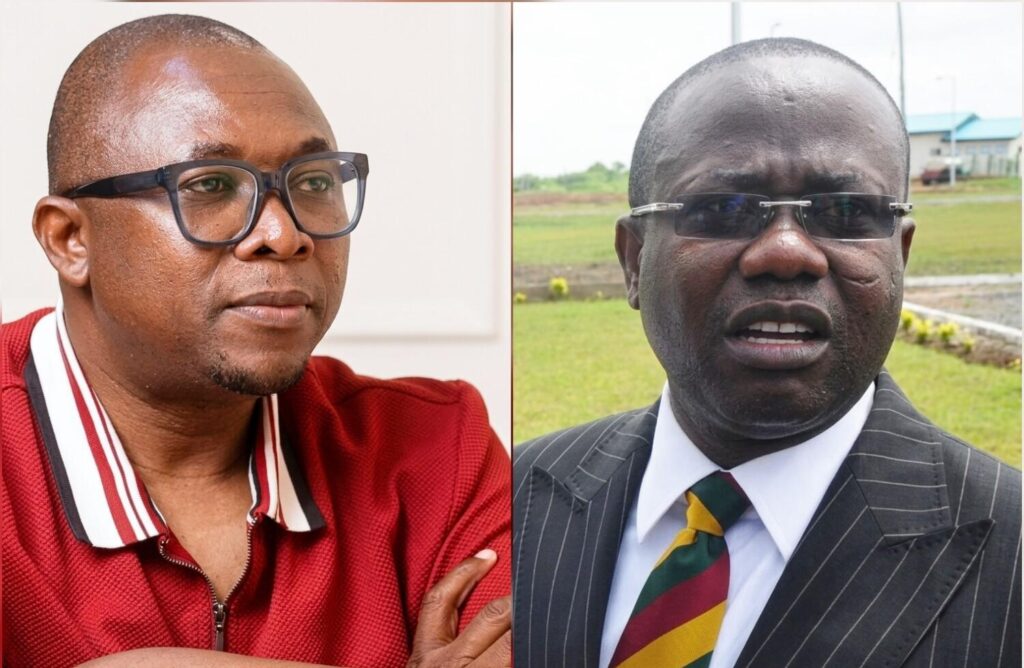
Ibrahim Saanie Daara, former Communications Director of the Ghana Football Association, has offered a candid and revealing perspective on the downfall of ex-GFA President Kwesi Nyantakyi, suggesting that the very qualities that defined his leadership style also made him dangerously exposed to the undercover operation that ended his career in football.
Speaking during an interview with broadcaster Kafui Dey, Daara reflected at length on the circumstances that led to Nyantakyi’s undoing — and arrived at a conclusion that is as thought-provoking as it is sobering.
In his assessment, Nyantakyi’s overly open and accessible approach to dealing with people, both within football administration and beyond it, left him unnecessarily vulnerable.
The argument Daara makes is a nuanced one. Openness in leadership is widely regarded as a virtue — a signal of accessibility, confidence, and democratic instinct. But in Daara’s view, that same openness becomes a liability when it grants unverified individuals close proximity to sensitive decision-making spaces and private conversations. In an environment where not everyone who gains access has earned it, the cost of being too trusting can be catastrophic. And for Nyantakyi, it was.
The “Number 12” exposé, conducted by celebrated investigative journalist Anas Aremeyaw Anas and released in 2018, remains one of the most seismic moments in the history of Ghanaian sport. The undercover investigation captured footage that proved deeply damaging — not only to Nyantakyi personally, but to the entire architecture of Ghana football administration.
The fallout was swift and severe. Nyantakyi resigned from his position as GFA President and was subsequently handed a lifetime ban from all football-related activities by FIFA — a sanction that effectively ended his decades-long career in the sport. Beyond the individual consequences, the scandal triggered a wholesale restructuring of the GFA under a Normalisation Committee, forcing an institution that had long operated in the shadows to confront uncomfortable truths about governance, accountability, and oversight.
A Trusted Insider Speaks
What gives Daara’s perspective particular weight is his vantage point. As a senior figure within Nyantakyi’s administration, he witnessed the leadership culture from the inside — and his willingness to identify what he sees as a fundamental structural flaw in that culture carries the credibility of lived experience.
His remarks are not an attack on Nyantakyi’s character. Daara has, over the years, consistently defended aspects of the former GFA leadership while simultaneously acknowledging the hard lessons the crisis imposed on Ghana football.
“We Will Crush Them” — GFA President’s Exciting World Cup Promise..
His latest comments sit within that same measured tradition — not an indictment, but an honest reckoning.
The lesson he draws is one that extends far beyond football: that in environments where power, money, and influence intersect, a leader’s greatest personal strength can, without the right safeguards, quietly become their most exploitable weakness.
The “Number 12” scandal may belong to 2018 in terms of its timeline, but its legacy continues to shape the way Ghana football is administered, discussed, and scrutinised. Saanie Daara’s latest remarks add a fresh layer of perspective to that ongoing conversation — one centred not on blame, but on the harder, more instructive question of how leadership, trust, and governance must be structured to prevent history from repeating itself.
In Ghana football, that question remains as relevant today as it has ever been.