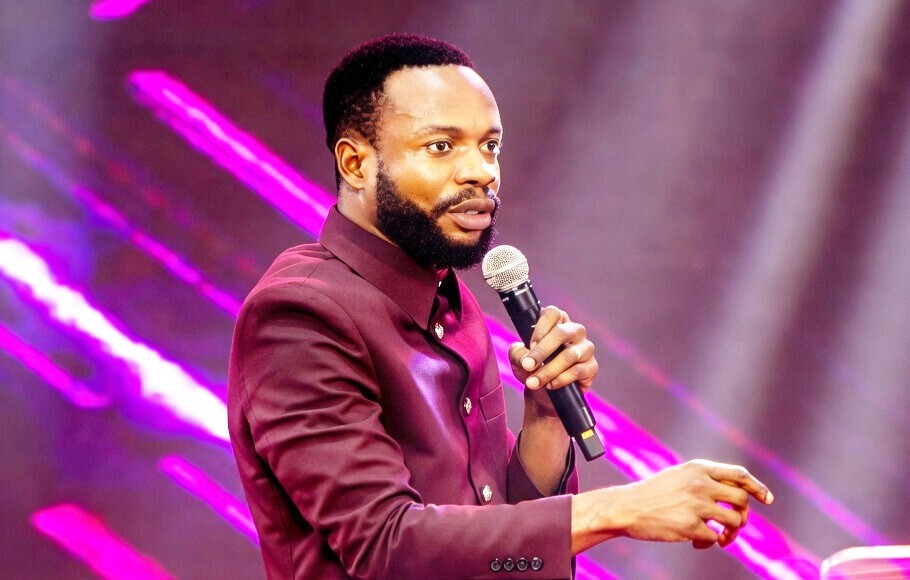
A Ghanaian preacher has ignited fierce controversy after making sweeping allegations against the country’s religious leadership, claiming that the majority of Ghanaian pastors harbour dark secrets behind their public-facing piety.
Prophet Roja made the incendiary remarks during an appearance on Angel FM on Monday, June 15, in a session hosted by popular media personality Ohemaa Woyeje. Without mincing words, the preacher alleged that over 90 percent of Ghanaian pastors are “very evil” — claiming that many religious leaders routinely engage in wrongdoing behind closed doors while carefully maintaining a contrasting image before their congregations and the wider public.
The comments were as bold as they were unsubstantiated. Prophet Roja offered no evidence to support his claims during the broadcast, and named no specific individuals or institutions — meaning those implicated by the sweeping generalisation have had no formal opportunity to respond.
Beyond the broad allegations, Prophet Roja made his remarks deeply personal, claiming that he himself has been directly targeted by certain members of the clergy. He alleged that attempts had been made on his life, and described his day-to-day existence as a constant game of “hide and seek” with individuals he pointedly referred to as “so-called men of God.”
“I have gone through hell,” he stated, painting a picture of a man who believes his outspokenness has made him a target within the very religious circles he inhabits. He added that some of these figures show no mercy toward anyone they perceive as a threat or who enters their sphere of influence.
The reaction across social media and among radio listeners was swift and polarising. A segment of the public welcomed the comments as a necessary, if uncomfortable, conversation about accountability and transparency within Ghana’s religious institutions — a sector that wields enormous social, cultural, and economic influence across the country.
Prophet Telvin Sowah Warns Of A Complete Global Blackout
Others, however, were sharply critical, dismissing Prophet Roja’s remarks as a reckless and unfair generalisation that tarnishes the reputation of thousands of dedicated, legitimate pastors based on unverified personal claims.
The debate touches on a broader tension that has simmered in Ghanaian public discourse for years — the question of how religious authority is exercised, who holds it accountable, and what recourse exists when that authority is allegedly abused.
For now, Prophet Roja’s allegations remain entirely unverified. No evidence was presented, no names were named, and no formal responses have been issued by any church or religious body. The claims, as dramatic as they are, exist solely within the bounds of one interview — and must be treated accordingly until any credible corroboration emerges.
What is beyond dispute, however, is that the conversation Prophet Roja has ignited is one that a significant portion of Ghanaians appear ready — and perhaps eager — to have.