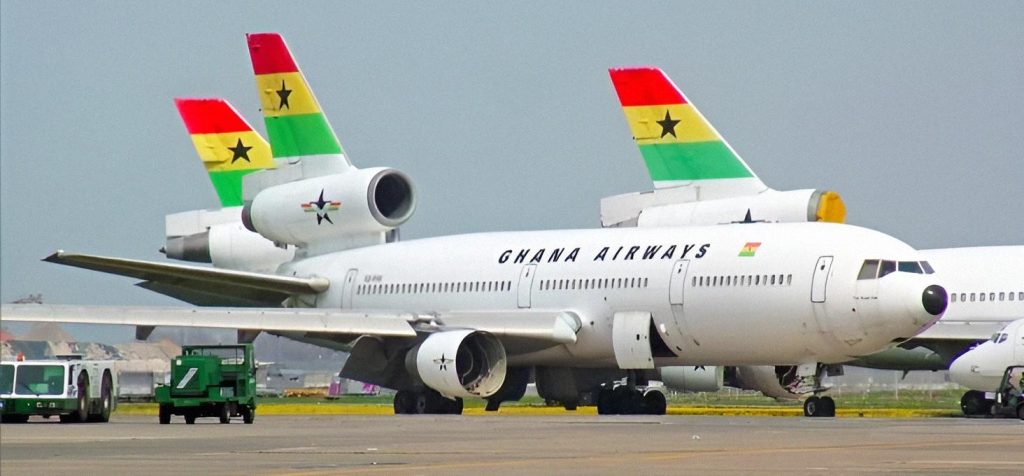
Although Ghana does not yet have a national airline in operation as of July 2026, the government claims to have made great strides toward the establishment of one in the near future.
The process of choosing a strategic investor for a new national airline has been initiated by the government. To assist build a carrier that would be profitable, they solicited investors and qualified aviation firms to submit bids.
According to reports, a number of significant aviation firms, including Ethiopian Airlines, EgyptAir, Delta Air Lines, Boeing, and others, have shown interest in the project.
According to the Ministry of Transport, the Ghanaian government will only control a small portion of the new airline, which is anticipated to be primarily privately held. The goal is to steer clear of the financial issues that plagued earlier national carriers.
Although the precise debut date has not been disclosed, it is anticipated that the new national airline would begin operations in 2027. With leadership from the business sector, the new airline is meant to be a novel endeavor.
Ghana Eyes Tourism Growth With Emirates Airline Collaboration
Since Ghana International Airlines suspended operations in 2010, Ghana has been without a state-backed national carrier. Ghana has been connected to domestic, regional, and worldwide locations throughout that time by airlines including Africa World Airlines, Passion Air, Emirates, British Airways, Qatar Airways, Ethiopian Airlines, and others.
But going too long without a national airline has drawbacks:
- Less authority over vital international air routes.
- A possible decline in business and tourism prospects.
- There are fewer direct employment in aviation.
- Accra has less potential to grow into a significant regional aviation center.
- More airline revenue flowing to foreign carriers instead of remaining in Ghana.
Due to management and financial challenges, both Ghana International Airlines and Ghana Airways eventually folded. For this reason, the present administration is working to establish a national airline run by the private sector, with the state anticipated to own a small portion of the company. Instead of heavily depending on government subsidies, the objective is to create a financially viable airline.
Therefore, even though Ghana can survive without a national airline, the majority of aviation experts contend that the establishment of a profitable, well-run carrier would eventually boost the nation’s economy and aviation industry.