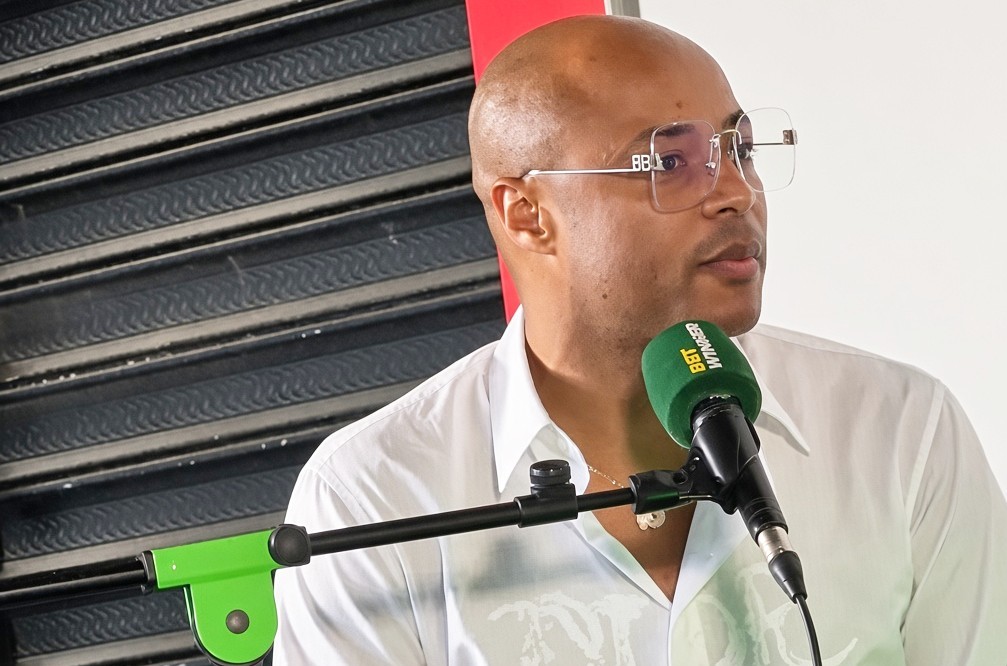
Ghana captain André Ayew has offered a thought-provoking perspective on how African national teams should approach the recruitment of footballers born and raised in the diaspora.
Speaking on the Obi One Podcast hosted by former Nigeria and Chelsea midfielder John Mikel Obi, Ayew said he would prefer African countries to begin integrating diaspora-born players into their national-team systems while they are still teenagers, rather than waiting until they are older and already established elsewhere.
According to Ayew, bringing such players into the national setup at a younger age would give them a better opportunity to understand the culture, mentality and expectations surrounding African football.
His argument goes beyond footballing ability. For Ayew, representing an African country is not simply about possessing the required talent or having eligibility through heritage.
It is also about developing an emotional connection with the country, understanding the passion of supporters and experiencing the pressure that comes with wearing the national-team shirt. For Ayew, he wants players to understand the African experience.
The former Marseille and West Ham star believes that introducing diaspora players during their teenage years can help them gradually assimilate into the environment.
Rather than arriving as established professionals later in their careers, young players would have time to interact with teammates, coaches and supporters while developing a deeper understanding of what representing their ancestral homeland means.
This could also help bridge the cultural gap that sometimes exists between footballers raised in Europe or other parts of the world and the countries they eventually choose to represent.
Ayew, however, did not suggest that older diaspora players should be excluded.
He acknowledged that experienced players can still provide enormous value to national teams, particularly because of their quality, professional experience and exposure to elite football.
His preference is simply for African football authorities to start the integration process much earlier whenever possible.
Countries such as Ghana, Nigeria, Senegal, Morocco, Algeria and the Ivory Coast have benefited from players who were born or developed outside Africa but later opted to represent their countries of heritage.
These players can bring high-level experience from European academies and professional leagues, but their integration into national teams can sometimes raise questions about identity, commitment and connection with supporters.
Ayew’s proposal presents a possible middle ground: instead of waiting until a player becomes a senior professional before approaching him, national football associations could establish stronger relationships with eligible youngsters from the diaspora.
Songo Demands A Complete Overhaul Of Black Stars Long-Serving Officials
That could mean identifying talented teenagers early, inviting them to youth camps, exposing them to the country’s football culture and allowing them to develop relationships with other players.
For Ghana, the issue is especially relevant given the large number of footballers with Ghanaian heritage who are developed in Europe and other footballing nations.
The Black Stars have historically attracted several diaspora-born players, while the Ghana Football Association has continued to monitor eligible talents abroad.
Early engagement could potentially make the national team a more natural choice for players who have multiple international options.
It could also reduce situations where a footballer only begins considering Ghana after establishing himself at club level.
Perhaps the most important aspect of Ayew’s argument is that he sees national-team recruitment as a cultural process rather than merely a footballing transaction.
Dede Ayew Is Exceptional And Spiritually Strong —Prophet
A player who joins at 17 or 18 has more time to experience Ghanaian football culture, understand the expectations of supporters and become familiar with the unique pressure surrounding the Black Stars. That experience could be particularly valuable during major tournaments, when expectations from millions of supporters can be enormous.
Ayew’s message is therefore not necessarily about choosing young diaspora players over older ones. Instead, it is about building relationships early.
For African football, that could become an increasingly important strategy as the globalisation of the sport continues.
The conversation on the Mikel Obi podcast has consequently opened a wider discussion about identity, heritage and the future of African national teams—and Ayew’s position is clear: if African nations want diaspora talent to feel truly connected to their national teams, they should start building that connection while the players are still young.