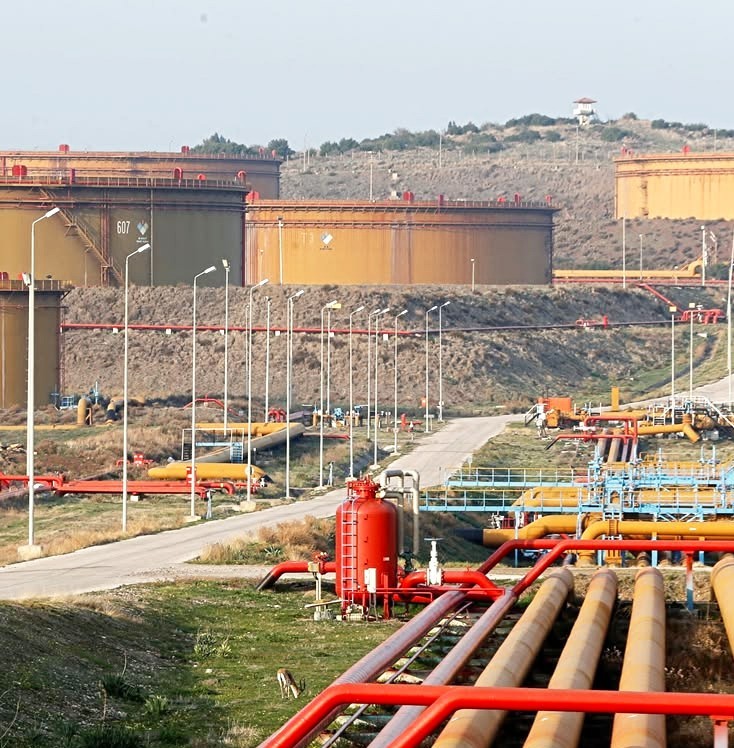
Saudi Arabia has shut down one of its most vital oil arteries, accusing Iraq-based militants of launching a drone assault on the very export route Riyadh has been leaning on to sidestep the ongoing blockade of the Strait of Hormuz.
The 745-mile East-West pipeline, stretching from Abqaiq near the Gulf all the way to the Red Sea port of Yanbu, has become the kingdom’s essential workaround since the US-Israeli war against Iran erupted — with Saudi Arabia’s use of the route surging as Hormuz remained effectively sealed off.
Meanwhile, the Saudi foreign ministry condemned the strike on the pipeline in the Riyadh and Medina regions, saying the drones — which it said came from Iraqi territory — caused injuries and material damage. An energy ministry official told the media the pipeline had been halted purely as a precaution.
The attack has placed enormous pressure on Iraq’s government to rein in militant factions operating from its soil, including groups allegedly backed by Iran, Saudi Arabia’s fiercest regional rival. President Trump weighed in publicly, saying he believed Tehran bore ultimate responsibility for the strike.
Iraq’s government, for its part, confirmed on Saturday, September 13, that the attack had indeed originated within its borders, ordering a formal investigation and condemning the assault on what it called its Saudi brethren. Prime Minister Ali al-Zaidi’s office moved swiftly, dismissing the military commander overseeing Maysan province, the southern region bordering Iran from which the drones were reportedly launched.
Apostle Amoako Attah Warns Of Emerging Third World War
Satellite imagery captured by Copernicus Sentinel data on Thursday showed black smoke curling into the sky near Medina, tracing the pipeline’s general path — a stark visual record of the damage. The stakes attached to that stretch of infrastructure have only grown: according to the International Energy Agency, Saudi oil exports flowing through the Red Sea terminal at the pipeline’s western end have more than doubled since the war began.
The pipeline strike lands alongside another blow to regional stability — Yemen’s Houthi forces have seized the strategic island of Perim, tightening their grip on the Bab al-Mandab strait, one of the world’s most consequential shipping corridors linking Europe and Asia.
The cumulative toll is already visible at the pump. Oil prices pushed past $100 a barrel this week, while average US diesel prices crossed $6 for the first time on Friday — an unwelcome development for Trump heading into November’s midterm elections. A failed US-Israeli push to topple Iran’s government earlier this year has left the Gulf destabilised, with Iran and its proxies now tightening their hold over both critical waterways — Hormuz and the Red Sea.
Speaking in Dublin after meeting Irish President Catherine Connolly, Trump struck a reassuring tone, predicting the situation would ultimately resolve itself. Iran’s president, Masoud Pezeshkian, offered a sharply different message from the sidelines of the BRICS summit in India, arguing that the Middle East has no need for the United States to act as its regional enforcer.
This isn’t the first time Riyadh has pointed the finger at Tehran-backed militias in Iraq for targeting its energy infrastructure. The kingdom reiterated its position firmly, insisting it reserves the right to take whatever measures necessary to safeguard its sovereignty, security, facilities, and people.