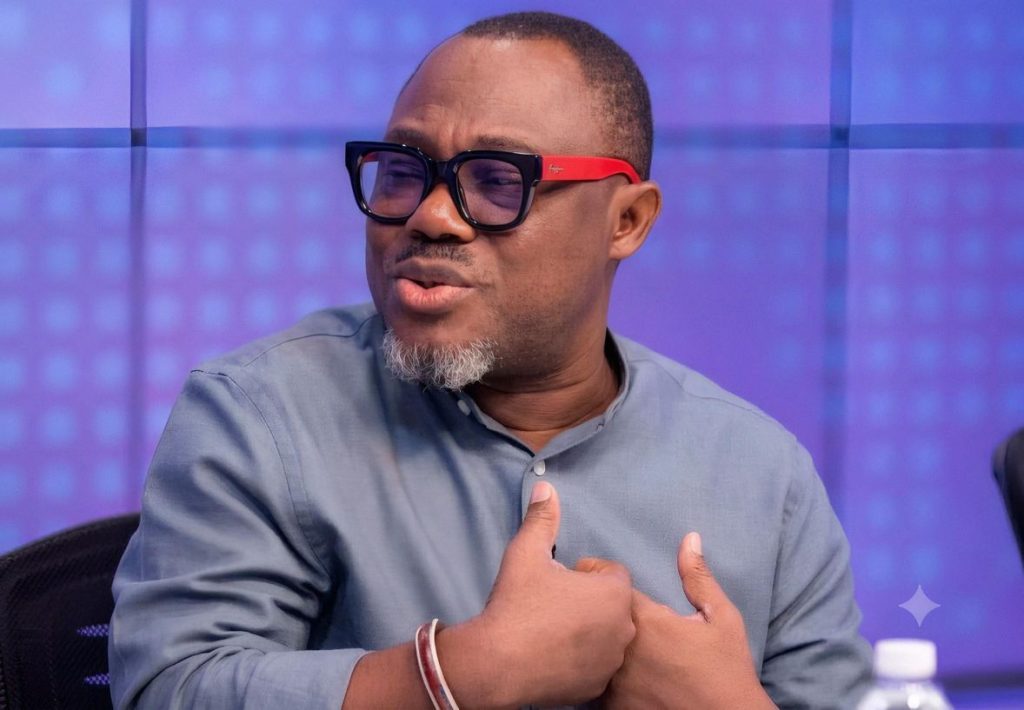
Professor Ransford Gyampo has questioned the government’s response to Ghana’s escalating cocaine and drug-related issues, contending that authorities cannot claim to be taking on the threat head-on while, in his opinion, a number of developments cast doubt on the nation’s drug-control system.
Prof. Gyampo posted the following on Facebook:
“Govt would confront this menace head-on. But, you don’t turn cocaine into kokonte; withdraw narcotics control from physical inspection of cargo; & get your sitting MP busted for cocaine & still insist on a right to open your buccal cavity on these matters.”
Public anxiety over Ghana’s vulnerability to international drug cartels has reached a tipping point, ignited by a string of high-profile developments that put national security protocols under the spotlight.
At the center of the mounting alarm is an unprecedented drug bust in Europe. On August 31, 2026, French customs agents at Dunkirk port uncovered roughly 3.9 tonnes of cocaine hidden inside a shipment of recycled plastic waste originating from Ghana.
The multi-agency bust sparked an international dragnet, leading to a quick arrest in the Netherlands as French prosecutors trace the transnational syndicate behind the operation. The incident has raised uncomfortable questions about systemic vulnerabilities at Ghana’s shipping hubs, casting doubt on the reliability of current cargo scanning procedures and border monitoring.
What This ‘Strange’ Cocaine Busts In Ghana Tell The World
Addressing the controversy, Professor Ransford Gyampo, Chief Executive Officer of the Ghana Shippers’ Authority (GSA), weighed in to clarify the scope of port governance. His intervention follows a recent GSA delegation visit to the Port of Tema to address mounting container congestion.
Amid growing scrutiny over how illicit contraband cleared local docks, the GSA emphasized that its statutory power does not extend to physical container searches—a duty reserved exclusively for state security, customs, and specialized law enforcement agencies.
Adding fuel to the public debate, Prof. Gyampo also addressed the high-stakes legal standoff involving a sitting Member of Parliament and the Economic and Organised Crime Office (EOCO). Referring colorfully to a citizen’s right to “open your buccal cavity,” his comment highlights ongoing friction surrounding civil liberties, constitutional immunity, and lawful search procedures when investigative agencies target politically exposed individuals.
Together, these intersecting events have forced a national reckoning over Ghana’s anti-narcotics readiness. Critics and policy experts alike are demanding better inter-agency intelligence sharing and tighter coordination across port authorities, border patrol, and law enforcement.
While Prof. Gyampo’s observations reflect his personal perspective rather than official judicial findings, they echo a growing public demand for institutional accountability and robust reform to prevent the country from becoming a soft transit target for global illicit trades.