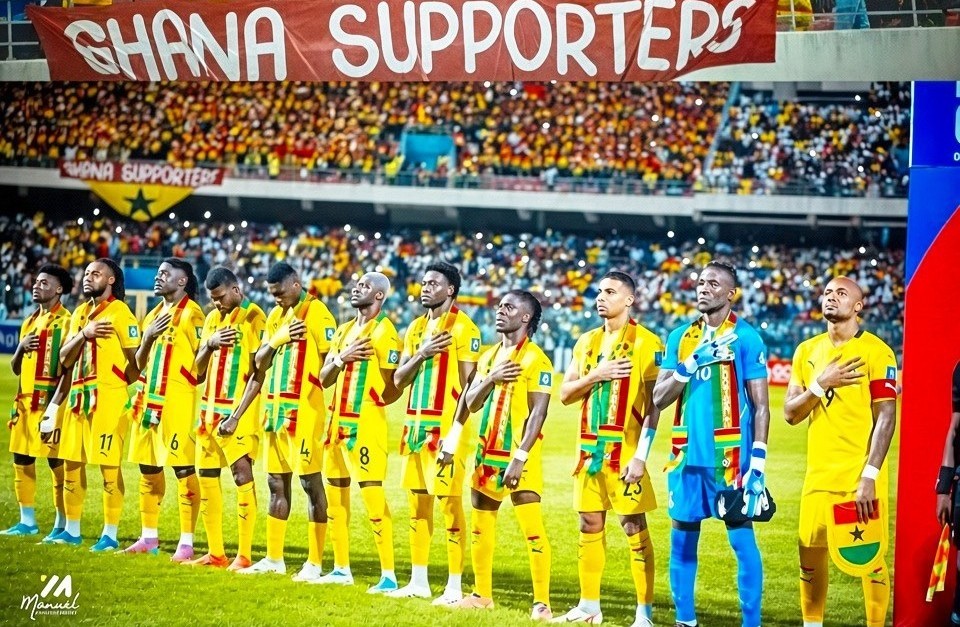
Following an intensive, two-hour closed-door session, top leadership from the Ministry of Sports and Recreation and the Ghana Football Association (GFA)—headed by President Kurt Okraku and the Executive Council—emerged with a unified strategy to reshape the future of football in Ghana.
The defining breakthrough of the high-level talks is the agreement to establish a joint technical search committee tasked with selecting the next manager of the Black Stars. In a notable shift, the committee will feature three government-appointed representatives, signaling the Ministry’s intent to exercise a direct voice in the recruitment process.
This heightened state involvement is tied directly to public funding. Given that the government finances the lion’s share of national team logistics, stipends, and operational overhead, state officials argued that public investment warrants active participation in high-stakes leadership choices.
Despite surrounding tension, participants described the atmosphere inside the room as constructive and collaborative. Speculation that the Ministry might force out the current GFA leadership or dissolve the Executive Council proved unfounded.
AFCON Qualifier: The Black Stars Suffer Defeat In Opener
Rather than attempting an administrative takeover—a step that would trigger severe FIFA sanctions and constitutional conflicts—the Ministry’s strategy centers on mutual accountability and institutional transparency. The goal is to build a cooperative model where state resources and football administration move in sync.
The meeting took place against a backdrop of mounting crisis for the national game. Dismal performances during the October international window—marked by back-to-back Africa Cup of Nations (AFCON) qualifying defeats against The Gambia and Côte d’Ivoire—have pushed supporter frustration to a breaking point.
Public outcry has extended well beyond individual match results or tactical errors. Fans, analysts, and grassroots stakeholders are demanding a comprehensive audit of how the sport is run, pointing to systemic vulnerabilities across several areas:
Grassroots & Youth Development: Stagnant talent pipelines failing to produce elite prospects.
National Team Operations: Perceived inefficiencies and poor logistics in squad management.
Long-Term Governance: A lack of clear strategic direction for domestic leagues and infrastructure.
This collaborative agreement between state authorities and football administrators represents a pivotal shift in how national team management is handled in Ghana. By bringing government representatives directly into the technical selection process, the state aims to introduce higher standards of scrutiny and public alignment.
The immediate challenge now shifts to the search committee: identifying a manager with the tactical pedigree, leadership authority, and vision required to rebuild the Black Stars and restore national confidence.