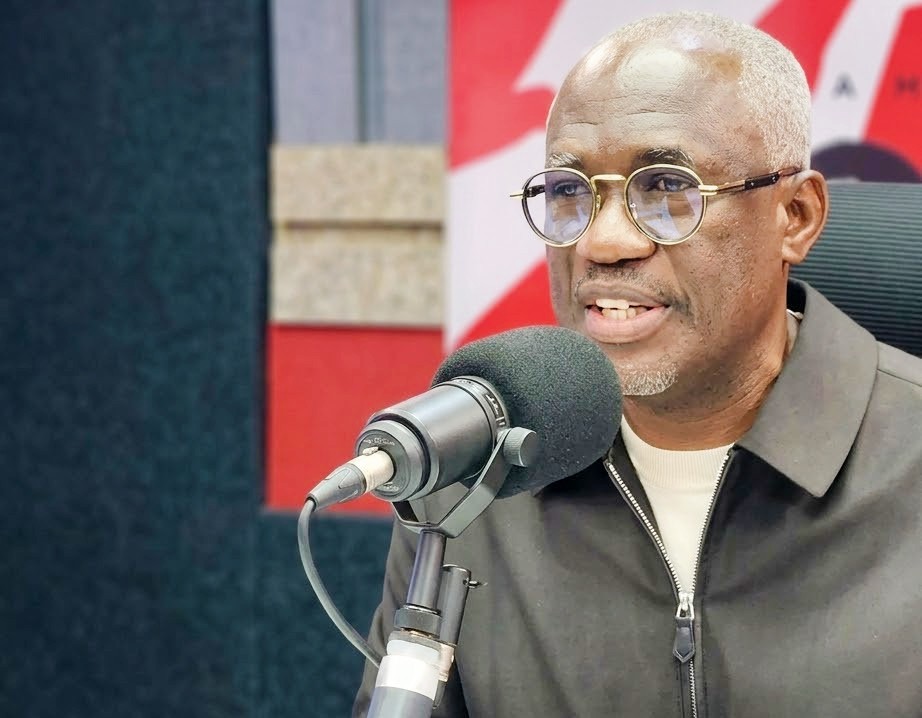
Ghana’s sports sector has spent decades leaning on public money and one-off rescues. The man now steering the Ghana Sports Fund says that era is ending.
Dr. David Kofi Wuaku, the Fund’s Administrator, has laid out a long-range plan to turn sport from a line item that drains public coffers into an engine of economic growth.
The idea is to build a climate so attractive to private capital that investors come looking for opportunities in stadiums, hotels and everything around them.
Dr. Wuaku made clear that the Fund is stepping away from short-term, stopgap interventions. Instead, he said, it is working to build a system that makes Ghana a natural destination for money flowing into sports infrastructure, hospitality and related industries.
The goal is a sustainable sports economy, one that grows over time and does not depend on rescue cheques. By his timeline, private investors would eventually see Ghana as a prime place to put their money.
Speaking on Sporty FM, he put a number on the ambition.
“In the next 15 years, the Sports Fund aims to build a system where investors will be rushing to Ghana to build hotels and sports facilities that build up our sports economy,” Dr. Wuaku said.
The word “system” is the key. He is not describing a handful of deals but an environment in which investment becomes routine.
If the vision takes hold, a stronger network of sports infrastructure could open doors well beyond the pitch:
- Hotels and hospitality
- Training centres and sports academies
- Stadiums and recreation facilities
- The wider chain of businesses that support major sporting events
Each facility would bring activity of its own, from construction and management to catering, transport, retail and accommodation.
A Stage for Global Competition?
The vision also hints at something bigger: Ghana as a host for international competitions and a draw for sports tourism. That depends on having the right facilities and an investment climate that gives backers confidence. Without both, the ambition stays on paper.
Asantehene Opens Ghana Sports Village In Canada— With A Big Durbar
Dr. Wuaku’s plan is only as strong as the groundwork behind it. Three things will be critical:
- Sustained investment over many years
- Effective management of the facilities and funds involved
- Real collaboration among government, private investors and sporting institutions
Chasing long-term capital means building trust, and trust grows from consistent delivery and sound management.
The 15-year outlook is built around attracting patient capital and creating facilities that generate economic activity of their own. If it works, it could change how the country sees sport: from a sector that mainly needs public funding to one that draws investment, creates jobs and widens economic opportunity.
For a country with Ghana’s passion for football and its pool of athletic talent, that would be a significant shift. Whether investors begin “rushing” in, as Dr. Wuaku hopes, will be tested over the years ahead.