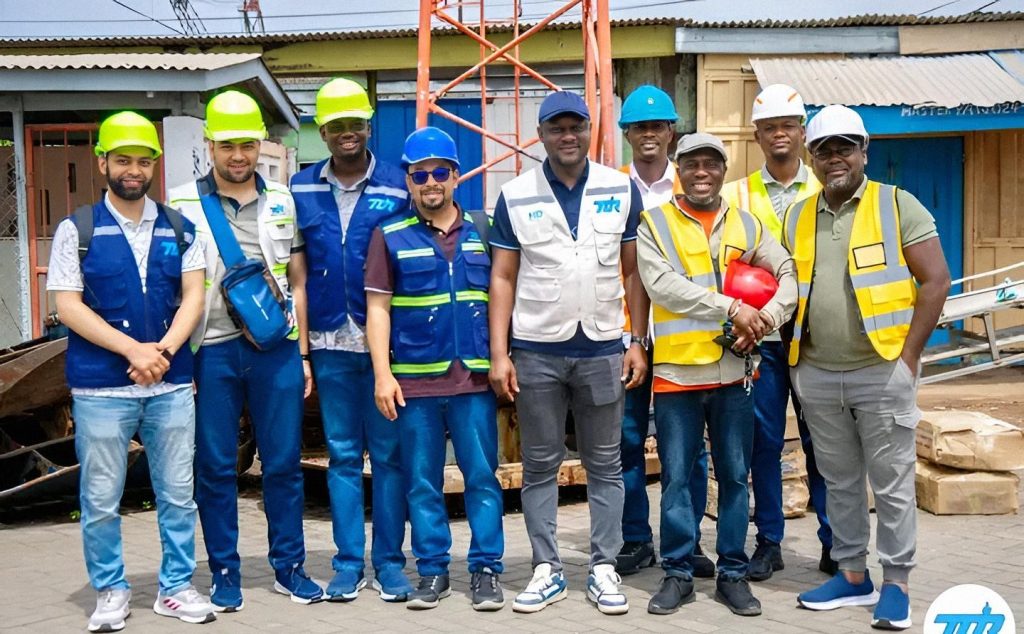
The Tema Oil Refinery (TOR) has reported its first annual profit in about a decade. Its 2025 accounts show a GH¢1.24 billion profit, a sharp reversal for the state-owned refinery after years of losses, unpaid obligations and delayed financial reporting.
A Decade-Long Losing Streak Ends
TOR Managing Director Edmond Kombat said the refinery had not recorded a profit since 2016. The 2025 result ends that run, and the company presents it as part of a wider push to repair its finances, tighten accountability and deal with liabilities it has carried for years. The figure comes from audited accounts submitted to the State Interests and Governance Authority (SIGA), which oversees state-owned enterprises.
Cutting the Debt Pile by GH¢2.1 Billion
The refinery also made headway on what it owes. Its trade and other payables fell from GH¢7.1 billion to GH¢5 billion within a year, a drop of GH¢2.1 billion, or roughly 29.6 per cent.
A smaller bill to suppliers and other creditors could take some pressure off TOR and help repair strained relationships with the businesses it depends on. SIGA also pointed to better collection of money owed to the refinery, with receivable days falling from 1,099 to 652. Even so, GH¢5 billion is still a heavy burden, and the gains will only last if TOR keeps its finances in order.
What Actually Drove the Profit
The headline needs one important qualification. SIGA said the profit was driven largely by a foreign exchange gain of GH¢1.3 billion, along with a rise in profit from associated companies to GH¢155 million. Currency movements can swing quickly in either direction, so a profit built mostly on forex gains is not the same as one built on strong refining margins. This is the main reason to treat one good year with caution.
Clearing the Audit Backlog
The refinery also made progress on transparency. It completed audited financial statements for the 2019 to 2024 financial years, and it has since finished its 2025 accounts. All of these were submitted to SIGA.
Eswatini Turns To Ghana For Oil And Gas Lessons
The accounts were presented at TOR’s 18th Annual General Meeting, held in Accra at the end of June 2026. The meeting dealt with financial statements for the years 2017 to 2025, working through a backlog that had built up over most of a decade.
Why Regular Reporting Matters
Annual meetings and timely audited accounts let shareholders and state institutions see a company’s true position, judge how management is performing and question major decisions. For a state-owned enterprise, they also show how public assets are being managed. Years of missing or late accounts made that scrutiny difficult at TOR, so catching up is a meaningful step even before the profit figure is considered.
A Turnaround That Still Has to Prove Itself
TOR’s profit, its lower payables and its cleared audit backlog together mark real progress for a refinery long associated with financial trouble. They could build confidence in its recovery and open the door to stronger operations.
One profitable year does not guarantee lasting stability, though. Holding on to the gains will take disciplined financial management, efficient operations, steady access to crude oil and other inputs, and careful handling of what the company still owes. Credible, on-time accounts will also matter, because they give everyone a clear basis for judging whether the recovery is real.
Under Mr Kombat’s leadership, TOR has reported a profit after a decade of losses and a big cut in what it owes. The next challenge is repeating the result without leaning on currency gains, continuing to manage its liabilities, and turning better reporting into lasting operational and institutional improvement. If it can do that, the refinery will be better placed to run efficiently and play its part in Ghana’s energy sector.