When the adults trusted to protect students become the subject of grave allegations, a school stops being only a place of learning. It becomes a testing ground for truth, justice and accountability. The unfolding Obuasi Senior High Technical School (SHTS) scandal has forced Ghana to ask hard questions about the safety of girls in its schools, the duty of education authorities and the pull of political loyalty when serious accusations surface.
What began as a controversy around one headmaster has grown into a national conversation about power, silence and institutional responsibility. Above all, it asks whether the search for justice can stay free of political interest.
The Allegations at the Centre
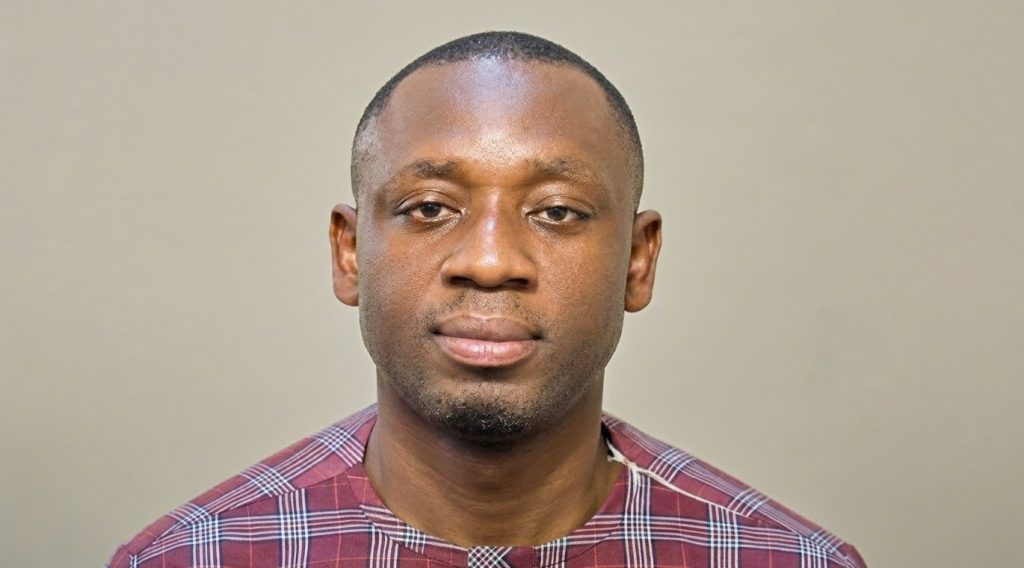
At the heart of the storm is Zakaria Abdulai, the school’s headmaster, who stands accused of sexual misconduct involving 19 female students. The claims reached the national stage through investigative journalist Manasseh Azure Awuni’s documentary, ‘Inside the Dreaded Headmaster’s Bungalow’. Public outrage followed, along with fresh scrutiny of the systems meant to keep students safe.
Behind the allegations lies a deeper question: what happens when accusations against a person of authority collide with a political party’s interests and the demands of the law?
Parents send their children to school trusting that teachers and administrators will guard and guide them. That trust is why the Obuasi claims are so disturbing. The documentary carried accounts from female students alleging abuse and misconduct by the headmaster. Reports suggest several girls raised concerns about his alleged conduct, and that questions linger over whether earlier complaints got proper attention. Women’s rights and security organisations have condemned the allegations and voiced worry about possible failures by the institutions responsible for the students’ protection.
The allegations remain under investigation, and the line between accusation and legally established guilt must be respected. Even so, their gravity demands a response that puts the safety and dignity of the students first. If they are proven, the fallout would reach far beyond one administrator’s reputation. It would raise basic questions about how Ghana protects its children.
When Authority Becomes a Source of Fear
A headmaster holds real power. Students depend on school authorities for discipline, academic progress, recommendations and access to support, and that imbalance is exactly why safeguarding matters so much.
Where the accused is someone in authority, investigators must ask more than whether a complaint was made. Did students feel free to report? Were complaints handled properly? Did anyone try to intimidate or discourage witnesses? The real question is whether the reporting system offered a safe and credible route to help.
Reports also point to complaints allegedly raised before the documentary made the matter public. If school or education officials received credible complaints and failed to act protectively, those failures deserve serious examination. A safeguarding system that reacts only after public outrage is a system that needs scrutiny. But responsibility must be established through evidence. Officials should have the chance to answer specific allegations, and students must be shielded from intimidation and needless exposure.
What the Authorities Have Done So Far
The Criminal Investigations Department of the Ghana Police Service has been directed to investigate. Education Minister Haruna Iddrisu has also directed the Ghana Education Service (GES) to take administrative action against the headmaster while investigations continue.
These steps matter, but they are not the finish line. Interdiction is an administrative measure. It neither establishes guilt nor replaces a criminal inquiry. Investigators still have to determine what happened, examine the evidence, interview witnesses and decide whether charges are warranted.
On 20 October, police said the docket on a complaint lodged by a student on 4 August 2026 had been sent to the Attorney-General for review and advice. They added that further allegations would have to be brought to their attention, or otherwise come to investigators’ knowledge, before they could be pursued. That stance has intensified debate over whether authorities should do more to identify and engage other potential complainants. The concern is understandable: where several people reportedly describe similar experiences, investigators should weigh all relevant information, while respecting due process and the safety and wishes of those involved.
The law must protect complainants without trampling the rights of the accused. It must also ensure that political connections, professional standing and public pressure do not decide the outcome. If criminal conduct is established, proper consequences should follow. If the evidence fails to support a particular allegation, that conclusion too must come through a credible, impartial process. Justice cannot be reduced to public anger, political rivalry or official announcements.
A Political Party Enters the Picture
The story took a sharper turn when reports revealed that Abdulai is also the Juaben Constituency Secretary of the governing National Democratic Congress (NDC) and was seeking to contest the party’s constituency chairmanship. That link turned a sensitive school scandal into a wider argument about party discipline, political responsibility and how parties treat members facing serious allegations.
The NDC first signalled that Abdulai should withdraw from the race or face disqualification. It later reversed course and let him stay in the contest while the allegations are investigated. In its 19 October decision, the party’s Functional Executive Committee pointed to fairness, natural justice, the presumption of innocence, the reports available to it and the timing of its internal elections. The party stressed that the decision does not judge the merits of the allegations, and it reserved the right to revisit its position as investigations progress.
Critics argue that letting him continue creates the wrong impression when allegations involving students call for exceptional sensitivity. Others contend that an allegation alone should not strip someone of political rights before the facts are settled. Both the safeguarding concerns and the principle of due process deserve weight. One distinction must hold: being allowed to run is not proof of innocence, just as facing an allegation is not proof of guilt.
The NDC’s challenge is to show that its decisions match its stated principles while ensuring justice is neither obstructed nor treated lightly. Parties cannot replace the police, prosecutors or courts. Equally, they cannot expect the public to overlook legitimate questions about how they handle serious allegations against their own members.
The biggest political question here is whether loyalty to a party can sit alongside an unflinching commitment to accountability. Parties often defend their members, and that can be legitimate, since accusations may be false, politically motivated or unsupported. But a party’s duty does not end at protecting members from unfair treatment. It must also make sure its processes do not discourage complainants, suggest favouritism or let politics interfere with the search for truth.
The NDC says it will reconsider its position depending on what the investigations find, and that a finding of guilt could bring sanctions even if Abdulai wins the internal election. That promise will be judged by what the party actually does. If credible findings emerge, will it act consistently with its word? If evidence establishes criminal wrongdoing, will it let the legal process run without interference?
These are fair questions, not verdicts on anyone’s guilt or innocence, and the same standard should apply to every party, in government or opposition. A party’s commitment to justice is tested hardest when the accused is one of its own.
The Education Service Under Scrutiny
While politics dominates the debate, the role of the Ghana Education Service cannot be ignored. The GES runs public basic and second-cycle education and must ensure schools meet professional and safeguarding standards.
An earlier committee, set up after disturbances at Obuasi SHTS in August 2026, concluded that the sexual harassment allegations it examined were not substantiated by the evidence presented to it. It had been told that 16 girls were allegedly involved in matters concerning the headmaster, yet only four appeared when invited. The committee also raised concerns about how students’ accounts were recorded and circulated. That inquiry dealt with the August disturbances and the evidence before it, and it is separate from the new investigation prompted by the documentary.
A proper investigation should not fixate on one individual. If evidence points to failures by other officials, those must be examined too.
Public scandals often turn into contests between parties, media personalities and institutional spokespeople, and the people whose experiences sparked the controversy can vanish behind arguments about reputation and power. That must not happen in Obuasi.
Students who report abuse need:
- Confidential reporting channels
- Medical and psychological support
- Protection from retaliation
- Careful handling of their identities and personal information
- Freedom from pressure to relive trauma unnecessarily or be drawn into public political arguments
Where students are willing to assist, their accounts should be gathered through sensitive, appropriate procedures. Parents and guardians also need confidence that reporting suspected abuse will not expose their children to stigma, intimidation or punishment.
The goal must go beyond headlines or extracting an admission of failure. It must be to establish the facts, support affected students, hold wrongdoers accountable where proven and stop similar incidents elsewhere.
Beyond Obuasi: Are Ghana’s Schoolchildren Safe Enough?
The scandal raises a wider question about whether Ghana’s schools have strong enough mechanisms to prevent and respond to sexual abuse. Written policies alone guarantee nothing. Real protection needs trained staff, independent reporting channels, prompt risk assessments, clear referral procedures and consequences for officials who knowingly ignore or hide credible complaints.
Students must know where to report and what happens afterwards. Parents must know allegations will be taken seriously. Teachers and administrators must understand that authority carries a duty of care, not a licence to exploit vulnerable students. Education authorities should also review whether transfers, suspensions or internal disciplinary measures have at times been used in place of properly addressing allegations that may call for criminal investigation.
Obuasi SecTech Girls: Manasseh Azure Sounds A Strong Alarm As Gender Minister Moves To Intervene
The Network for Women’s Rights in Ghana and other organisations have demanded stronger accountability and better protection for the girls involved. Those calls should prompt a broader review of safeguarding practice, including how well complaint mechanisms work and what protection exists for students who speak out. If weaknesses are found, reform must go beyond promises. Ghana needs systems that spot risks early, investigate complaints independently and protect students whatever the identity, influence or political affiliation of the accused.
The Media, Public Opinion and the Presumption of Innocence
Manasseh Azure Awuni’s documentary has brought allegations into public view that might otherwise have stayed hidden. Investigative journalism can expose possible wrongdoing, question institutional responses and push authorities to examine matters of public interest. But publishing an investigation is not a judicial ruling. Journalists must scrutinise the powerful while separating documented facts from allegations and giving relevant parties a fair chance to respond.
The public should show the same care. The gravity of the allegations justifies attention and scrutiny. It does not justify harassment, threats, publishing students’ identities or assuming every claim is already proven. At the same time, the presumption of innocence must not become a pretext for dismissing complainants or discouraging fair questions about institutional conduct. A fair process can protect the accused while taking allegations seriously and supporting those who come forward. These principles are not enemies. They are twin pillars of a justice system worthy of public confidence.
The Alleged Perpetrator, the Law and the Party: Who Should Prevail?
The controversy sets up a confrontation between three forces: the accused, the law and a political party. Yet the real test is not which one wins a public fight. It is whether the law can work independently, whether political organisations can act responsibly and whether schools can protect the students in their care.
Each actor has a job:
- The accused must be able to respond through a fair process.
- The complainants must be able to seek justice without intimidation or victim-blaming.
- Police and prosecutors must investigate thoroughly and assess the evidence according to law.
- The GES must examine its own response and address any institutional failures the evidence establishes.
- The NDC must show that its commitment to fairness does not block meaningful accountability when serious concerns involve one of its members.
None of these duties should cancel another. Political affiliation must not steer justice, and public outrage must not stand in for proof. The standard has to be identical whether the person under investigation belongs to the ruling party, the opposition or no party at all.
The Verdict Must Come From Evidence, Not Party Colours
The Obuasi SHTS scandal tests far more than one man’s conduct. It tests Ghana’s institutions and their ability to respond when allegations of serious wrongdoing involve someone entrusted with authority over students. The public deserves answers about the allegations, the reported complaints, the actions of education officials and the measures protecting the girls. Those answers must come from credible investigations, not partisan assumptions.
If wrongdoing is established, accountability must follow without political favour. If institutional failures are proven, the officials responsible must face appropriate consequences. If allegations cannot be substantiated, the rights of the accused must be respected.
Above all, the girls must not be forgotten when the headlines fade. Their safety, dignity, education and future should remain the central concern throughout.
In the end, justice in Obuasi will not be measured by which party wins the argument or which public figure delivers the loudest statement. It will be measured by whether the truth is established, the law is allowed to work and the girls receive the protection and support they deserve.
One thought on “Obuasi SecTech Scandal: Can Justice Prevail Over Politics In The Case?”