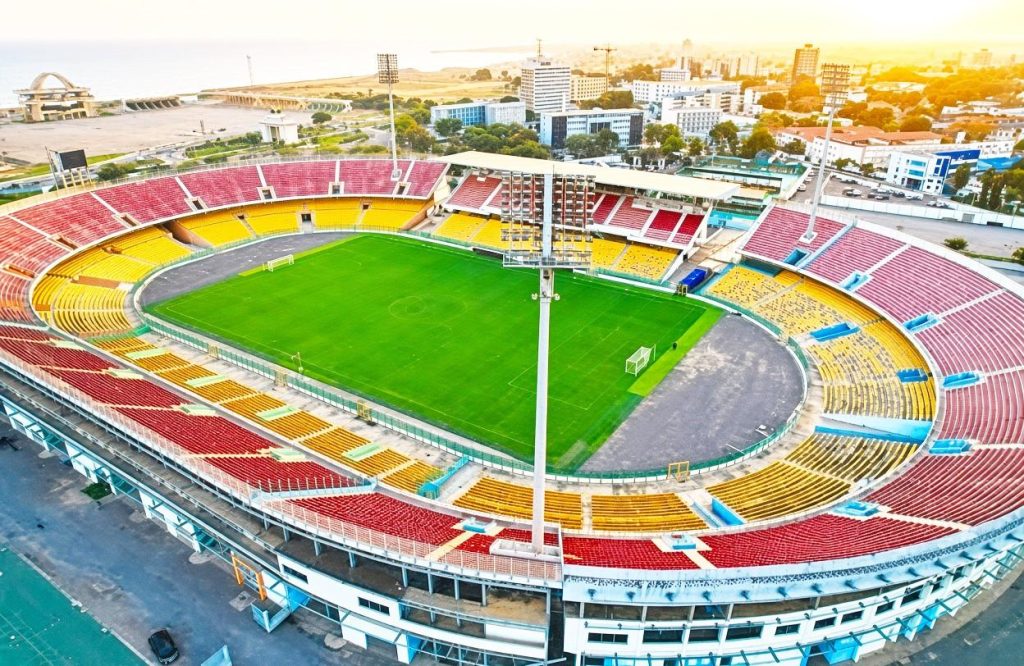
Ghanaian football may be heading for another awkward moment. Concerns are growing over whether the Accra Sports Stadium will be ready to host the Black Stars’ anticipated Africa Cup of Nations (AFCON) qualifier against Somalia in November 2026.
With the national team set to carry the country’s colours in an important international assignment, questions about the stadium’s floodlights and other logistical arrangements have put Ghana’s readiness to stage the match under scrutiny. For a nation with such a proud football history and such devoted supporters, the prospect of stadium problems before a competitive fixture raises fresh worries about infrastructure, planning and the management of sporting facilities.
The Floodlight Problem
The most pressing concern is the condition of the stadium’s floodlighting system. Floodlights are a basic requirement of modern football infrastructure, especially for evening kick-offs. Players, match officials, fans in the stands and television audiences all depend on proper lighting for a game to be played and enjoyed under the right conditions.
Any doubt over the lights could complicate preparations for the Somalia fixture, particularly if the match is scheduled for the evening. And the issue goes beyond flipping a switch. It raises the question of whether technical inspections, maintenance work and other preparations will be finished in time.
Floodlights may be the headline worry, but they are not the only factor in whether the stadium is fit to host. Readiness covers a long list of requirements:
- The playing surface
- Dressing rooms
- Security arrangements
- Medical facilities
- Media operations
- Power supply
- The comfort and safety of spectators
The relevant authorities must make sure every one of these meets the applicable standards before matchday. The challenge for Ghana is to resolve any outstanding problems early enough to avoid a last-minute scramble that could disrupt preparations or leave the venue in doubt.
The Somalia qualifier is another chance for Ghana to show it can organise international matches without avoidable hiccups. But the significance reaches beyond the pitch. Hosting top-level football takes thoughtful planning, dependable infrastructure and smooth coordination among football authorities, stadium managers and other institutions.
When something as fundamental as floodlighting becomes a talking point, the conversation shifts from the football to the country’s ability to deliver a seamless matchday.
Why Wait Until the Last Minute?
The situation prompts a pointed question for Ghanaian football administrators: why should essential stadium requirements still be uncertain so close to an international fixture?
Gambia Humiliate Ghana With A Big Victory In The 2027 AFCON Qualifier
Rather than waiting for the worries to grow, the authorities should assess the stadium’s condition now, identify deficiencies and carry out corrective work. If the Black Stars are to play Somalia in Accra, preparations should follow clear timelines, technical assessments and real accountability. And if the venue proves unsuitable, officials would need to consider alternative arrangements in line with the competition’s requirements.
Ghana’s football tradition, with its celebrated players and passionate fan base, is a source of national pride. Preserving that standing takes more than results on the pitch. It demands investment in stadium infrastructure, consistent maintenance and professional management.
The concerns around the Accra Sports Stadium are a reminder that hosting international football is a responsibility requiring sustained preparation. Above all, the Black Stars should be free to focus on their football rather than see their build-up overshadowed by preventable logistical troubles.
With the match drawing closer, the big question stands: will the Accra Sports Stadium be ready to host Ghana’s AFCON qualifier against Somalia, or will the floodlights and other logistical issues become yet another headache for Ghanaian football?