Substantive public oversight requires far more than identifying administrative flaws and laying out financial reports before lawmakers—it demands relentless enforcement when rules are broken.
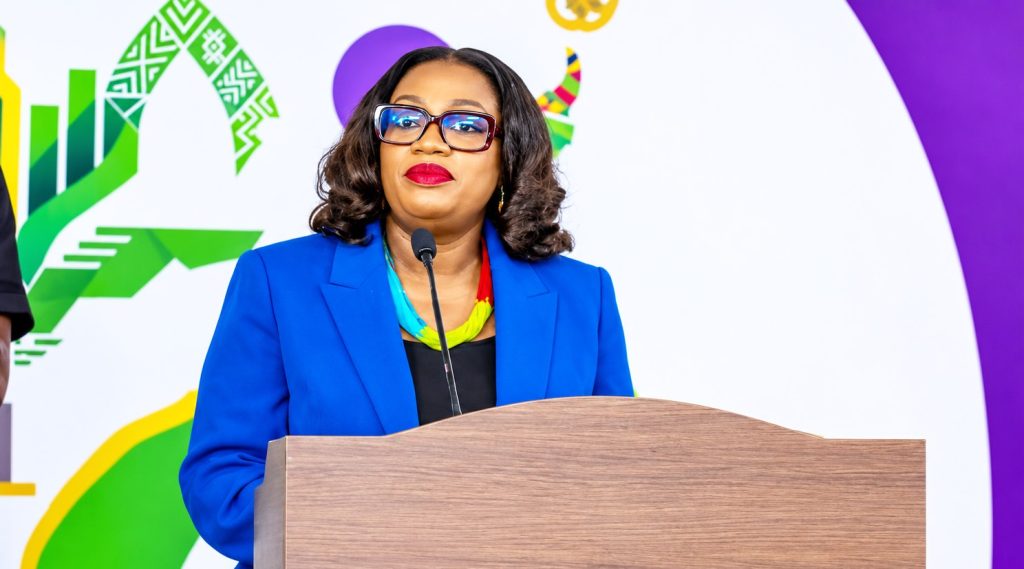
Delivering a keynote address at the 6th General Meeting and Conference of the African Organization of Public Accounts Committees (AFROPAC) in Accra, Ghana’s Auditor-General, Dr. Pamela Graham, challenged state audit bodies and parliamentary monitoring committees across the continent to elevate the actual execution of audit findings to their highest priority.
Speaking on the theme “The Role of Public Sector Accounting and Financial Reporting in Strengthening Effective Parliamentary Oversight,” Dr. Graham noted that while African oversight institutions possess a sophisticated grasp of the technical mechanics of financial supervision, a systemic failure in follow-through continues to paralyze governance across the region. The persistent neglect of audit recommendations, she argued, severely dilutes the impact of public sector auditing.
Dr. Graham framed the path to genuine fiscal integrity around key operational imperatives:
Moving Past Diagnostic Oversight: Uncovering internal control failures, tracking financial improprieties, and documenting the misdirection of state funds represent merely the baseline of the accountability cycle, not its conclusion.
Securing Tangible Outcomes: True democratic governance yields real value only when investigative findings result in concrete policy remedies, structural repairs within state institutions, and the full recovery of misappropriated public assets.
Ending Report-and-Shelve Cycles: Supreme Audit Institutions (SAIs) and Parliamentary Accounts Committees (PACs) must actively refuse to let their work end at the presentation or parliamentary debate stage, ensuring rigorous follow-up mechanisms exist to hold institutions accountable long after the speeches end.
Dr. Graham emphasized that the measure of public sector auditing lies not in the volume of documents published or the length of committee hearings, but in whether findings actively compel institutional discipline and safeguard public funds.
Ghana’s Auditor-General Celebrates Women In Leadership At Special AWAG Event
She stressed the importance of consistent follow-up mechanisms to ensure that recommendations are implemented and that lessons from previous financial irregularities inform future public financial management decisions.
The Auditor-General further noted that effective follow-up is essential to improving financial controls, strengthening institutional practices and influencing policy direction.
Her message placed renewed emphasis on the need for African countries to bridge the gap between detecting financial mismanagement and taking meaningful action to prevent its recurrence.
Ultimately, Dr. Graham suggested that the success of public sector auditing should not be measured solely by the number of reports produced or parliamentary discussions held, but by the extent to which audit recommendations lead to improved financial discipline, recovered public resources and stronger accountability systems.
Her intervention at the AFROPAC conference reinforces the importance of moving beyond identifying financial irregularities to ensuring that those responsible for implementing corrective measures follow through.