Calls for the repeal or major review of Ghana’s criminal law on false publication are gaining momentum following comments by prominent legal practitioners who say the provision is increasingly being abused to silence critics and suppress free expression.
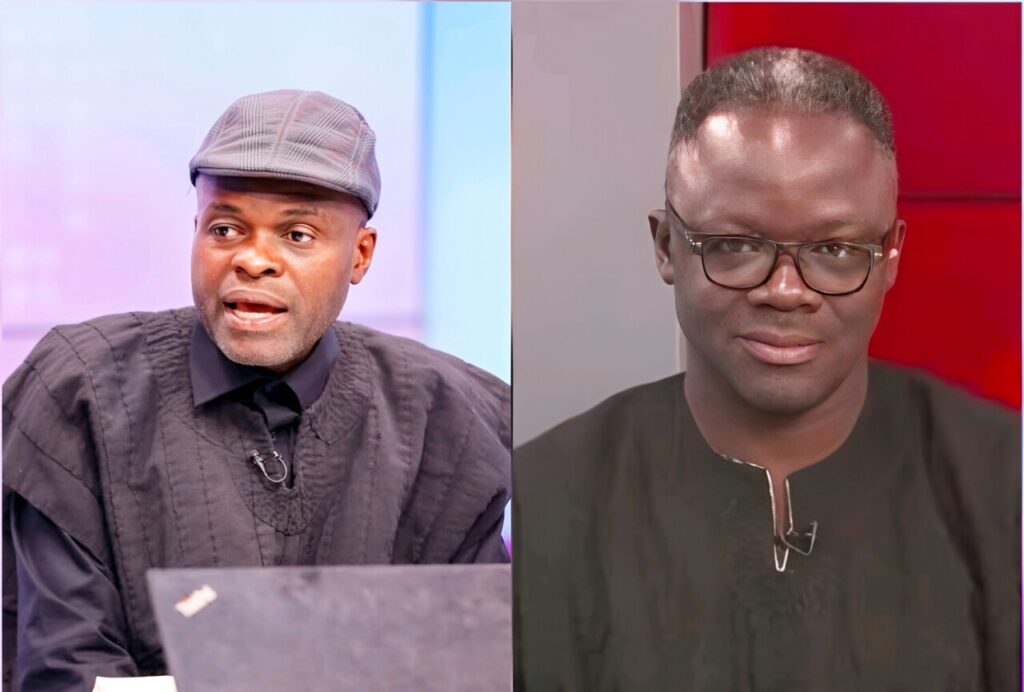
In a recent interview with the Daily Graphic, renowned lawyer and broadcaster Samson Lardy Anyenini called for the complete repeal of Section 208 of the Criminal Offences Act, 1960 (Act 29), which criminalises the publication of false news likely to cause fear and alarm among the public.
According to Anyenini, the law in its current form has become problematic due to what he described as its indiscriminate application and abuse by authorities to intimidate and silence individuals, particularly journalists, political opponents and government critics.
He argued that in a democratic society where freedom of speech and media independence are constitutionally guaranteed, such broad criminal provisions can easily be weaponised against citizens exercising their rights to free expression.
The legal practitioner further stressed that Ghana’s democracy would be strengthened if laws perceived to be restrictive or oppressive are either repealed or substantially amended to meet modern democratic standards.
Also speaking on the issue, private legal practitioner Martin Kpebu agreed that the current law requires urgent reform, although he suggested replacement rather than outright abolition.
According to Kpebu, the scope of the provision is too wide and vague, making it susceptible to misuse for political purposes. He noted that over the years, the law has often been used to gag individuals, suppress dissenting opinions and score political points rather than genuinely protect public order or national security.
BoG Strengthens Cybersecurity Framework With Relaunch Of Information Security Directive
Kpebu explained that while misinformation and deliberately false publications remain legitimate concerns in any society, the legal framework dealing with such offences must be carefully drafted to prevent abuse and protect constitutional freedoms.
The debate over Section 208 of Act 29 has resurfaced amid increasing national conversations about media freedom, digital expression and the role of criminal laws in regulating speech in Ghana.
Civil society organisations, journalists and human rights advocates have repeatedly expressed concern over the use of the false publication law against media practitioners and social commentators, arguing that it creates fear and discourages open public discourse.
Supporters of the law, however, insist that some form of legal protection is necessary to prevent the spread of misinformation capable of causing panic, unrest or harm to national security.
The growing calls for reform are expected to further intensify discussions among lawmakers, legal experts and civil society groups on whether Ghana’s existing laws adequately balance public order with freedom of expression in a democratic state.