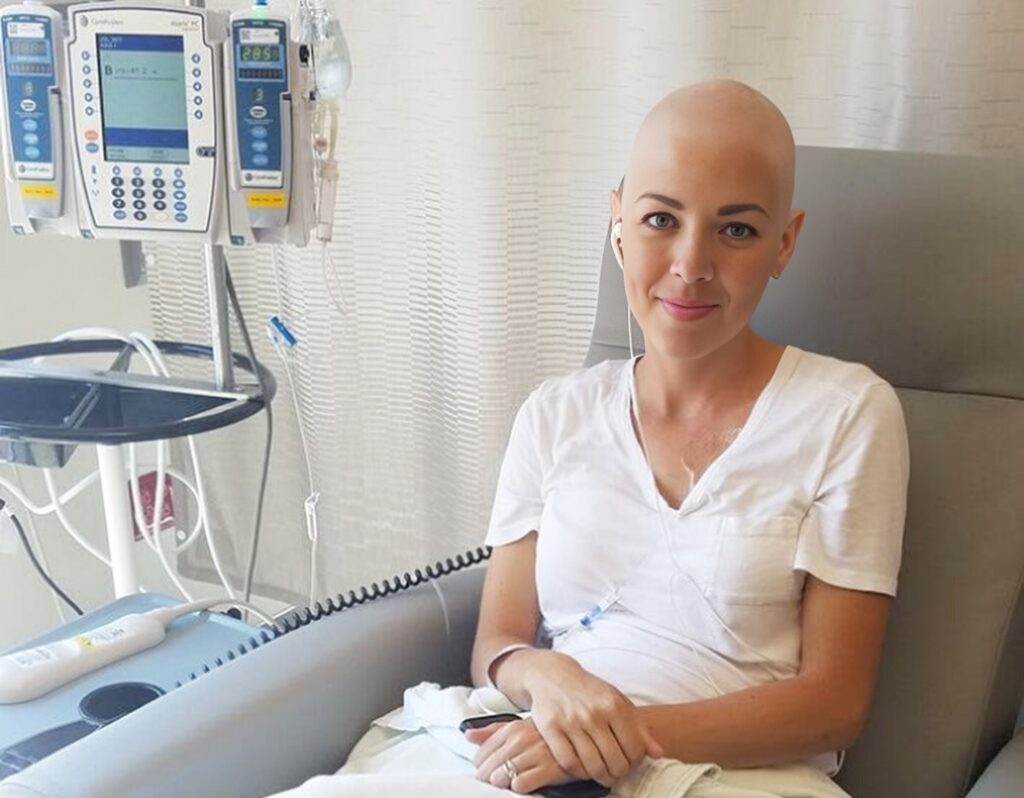
Cancer is one of the most feared words in medicine — yet it is also one of the most misunderstood. At its core, cancer is a disease of rebellion: normal cells in the body mutate, begin multiplying uncontrollably, and can invade surrounding tissues or travel through the bloodstream to distant organs. The result can be devastating — but it does not have to be. With the right knowledge, early action, and proper medical care, many cancers are not only treatable but fully curable.
Why Early Detection Changes Everything
The single most powerful weapon against cancer is time. Catching the disease in its earliest stages — before it has spread or deeply embedded itself in critical tissue — dramatically improves treatment outcomes. Many patients diagnosed with early-stage cancers go on to live long, full lives. Delayed diagnosis, by contrast, can narrow options and reduce survival odds. This is why awareness of warning signs and commitment to regular medical checkups are not optional — they are life-saving habits.
Warning Signs You Should Never Ignore
No single symptom automatically confirms a cancer diagnosis, and many of these signs have other, less serious explanations. However, when they appear persistently or without obvious cause, they demand prompt medical attention:
Unexplained weight loss — losing significant weight without changes in diet or exercise.
Persistent fatigue or weakness — exhaustion that does not improve with rest.
Unexplained or chronic pain — especially pain with no clear injury or cause.
A lump or swelling — anywhere on the body, whether painful or not.
Skin changes — new or evolving moles, sores that refuse to heal, or unusual discolouration.
Persistent cough or hoarseness — lasting more than three weeks without a respiratory illness.
Difficulty swallowing — a recurring sensation of food sticking or obstruction.
Blood where it should not be — in urine, stool, or coughed up from the lungs.
Changes in bowel or bladder habits — unusual frequency, urgency, or consistency.
Frequent infections or unexplained fevers — signs the immune system may be compromised.
Unusual bleeding — abnormal vaginal bleeding, bleeding gums, or spontaneous bruising.
It is worth noting that some cancers develop silently, producing no obvious symptoms in their early stages. This is precisely why routine screening matters — it can detect cancer before the body sounds any alarm.
Common Types of Cancer
Cancer can arise in virtually any organ or tissue. Among the most frequently diagnosed are:
Breast cancer — one of the most common cancers globally, affecting both women and men.
Prostate cancer — the leading cancer among men in many parts of the world.
Cervical cancer — largely preventable through vaccination and regular screening.
Lung cancer — strongly linked to smoking, though non-smokers are not immune.
Liver cancer — often associated with hepatitis infections or excessive alcohol use.
Colon cancer — highly treatable when caught early through routine screening.
Leukaemia — cancer of the blood and bone marrow, affecting cells that fight infection.
Reducing Your Risk: Prevention Strategies That Work
While no approach offers a guaranteed shield against cancer, evidence consistently shows that lifestyle choices and preventive measures can significantly lower a person’s risk.
Build a Health-Protective Lifestyle
A body that is well-nourished, physically active, and properly hydrated is better equipped to resist cellular damage. Prioritise a diet rich in fruits, vegetables, whole grains, and lean proteins. Exercise regularly — even moderate physical activity several times a week makes a measurable difference. Maintaining a healthy weight is equally critical, as obesity is a known risk factor for several cancers.
The Reasons To Include Chocolate Drink In A Balanced Diet
Silent But Deadly: What You Need To Know About Chronic Kidney Disease
Break the Habits That Increase Risk
Tobacco use — whether smoked or vaped — is one of the leading causes of cancer worldwide. If you smoke, stopping is the single most impactful health decision you can make. Excessive alcohol consumption is linked to cancers of the liver, breast, colon, and oesophagus. Avoiding substance abuse also protects organ health over the long term.
Protect Yourself Actively
Apply broad-spectrum sunscreen when spending time outdoors to reduce the risk of skin cancer. Practise safe sex and limit exposure to infections — several sexually transmitted infections are directly linked to cancer risk. Vaccination against Human Papillomavirus (HPV) and Hepatitis B offers proven protection against cervical and liver cancers respectively.
Never Skip Your Screenings
Routine medical screening is one of the clearest examples of prevention being better than cure. Key screenings to discuss with your doctor include:
• Breast screening (mammography) — recommended regularly for women from a certain age
• Cervical screening (Pap smear or HPV test) — for sexually active women
• Prostate checks — for men, particularly those over 40 or with a family history
• Colon screening — especially important for adults over 45 or those with risk factors
• Early screening saves lives — and that is not a slogan. It is a clinical reality.
Treatment: Modern Medicine Has More Tools Than Ever
A cancer diagnosis today is met with a far wider and more sophisticated arsenal of treatments than existed even a generation ago. The appropriate treatment plan depends on the type of cancer, its stage, and the individual patient’s overall health. Common approaches include:
• Surgery — physically removing the tumour or affected tissue.
• Chemotherapy — powerful medicines that target and destroy rapidly dividing cancer cells.
• Radiation therapy — the use of high-energy rays to shrink or eliminate cancerous growths.
• Immunotherapy — equipping the body’s own immune system to identify and attack cancer cells.
• Targeted therapy — precision drugs designed to attack specific molecular markers within cancer cells.
In many cases, doctors combine two or more of these approaches to maximise effectiveness and minimise recurrence.
What Every Patient — and Every Person — Should Know
Cancer is not a death sentence. Thousands of people survive cancer every year, many going on to live decades more in full health. The difference between a manageable diagnosis and a devastating one often comes down to how early the cancer was found and how quickly it was treated.
Equally important: do not substitute medical treatment with unverified herbal remedies. Traditional and complementary approaches may play a supportive role in some patients’ wellness journeys, but they cannot replace surgery, chemotherapy, or other clinically proven treatments. Delaying proper care in favour of unproven alternatives has cost lives that did not need to be lost.
If you experience any unusual, persistent, or unexplained symptoms — see a qualified doctor or visit a hospital without delay. In the fight against cancer, urgency is not panic. It is wisdom.