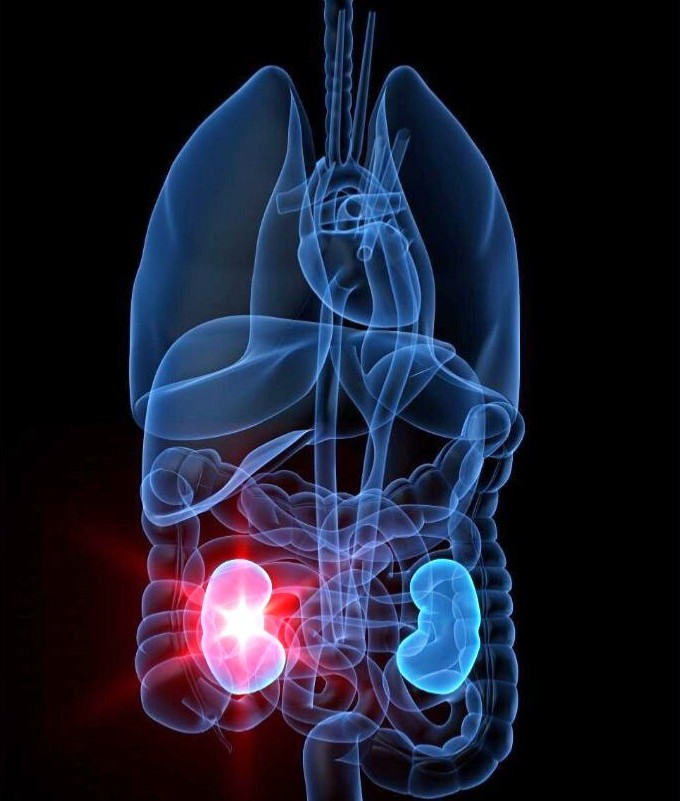
Every year on March 12, the world observes World Kidney Day — a global reminder of the growing burden of kidney disease and the importance of early detection and prevention.
What Is Chronic Kidney Disease?
Chronic Kidney Disease (CKD) is a long-term condition in which the kidneys gradually lose their ability to filter waste and excess fluid from the blood. The damage accumulates over months or years, often leading to serious complications including heart disease, anemia, bone problems, and eventually kidney failure if left untreated.
CKD is frequently referred to as a “silent disease” because its early stages typically produce no symptoms, meaning many people are unaware they have it until the condition is already advanced.
A Growing Crisis in Ghana and Sub-Saharan Africa
While CKD is a global concern, it carries a particularly heavy burden in Ghana and much of sub-Saharan Africa. Estimates suggest a prevalence of around 13–19% in Ghana — notably higher than the global average of approximately 10–13%. The disease is closely linked to rising rates of diabetes and hypertension in the region, and many cases are only detected at an advanced stage, limiting treatment options.
Causes and Risk Factors
The two leading causes of CKD worldwide are diabetes, which damages the blood vessels in the kidneys, and high blood pressure (hypertension), which strains the kidneys’ filtering system over time.
Other contributing factors include glomerulonephritis, recurring infections, prolonged use of certain medications such as NSAIDs (e.g., ibuprofen), obesity, smoking, a family history of kidney disease, and in some African contexts, environmental and genetic factors. Your risk is elevated if you have diabetes or hypertension, are over 60, have a family history of kidney problems, or live with cardiovascular disease.
Recognizing the Symptoms
In its early stages (Stages 1–3), CKD often presents no noticeable symptoms. As the disease progresses to Stages 4–5, warning signs may include fatigue and weakness, swelling in the legs, ankles, feet, or face, changes in urination such as foamy urine, blood in urine, or increased nighttime urination, shortness of breath, nausea and loss of appetite, itchy skin or a metallic taste in the mouth, and blood pressure that is difficult to control.
If you experience any of these symptoms, consult a doctor promptly. Simple blood and urine tests can detect CKD early and help slow its progression.
The 5 Stages of CKD
CKD is classified into five stages based on the estimated glomerular filtration rate (eGFR), which measures how effectively the kidneys filter blood.
Stage 1 (eGFR ≥90): Mild damage; kidneys still functioning well, often with no symptoms.
Stage 2 (eGFR 60–89): Mild loss of function.
Stage 3 (eGFR 30–59): Moderate loss; symptoms may begin to appear.
Stage 4 (eGFR 15–29): Severe damage; preparation for advanced care is necessary.
Stage 5 (eGFR below 15): Kidney failure, also known as End-Stage Kidney Disease (ESKD), requiring dialysis or a transplant.
The presence of albumin (protein) in the urine is also used alongside eGFR to assess disease severity.
Orthodontic Braces: Why They’re More Special Than You Think
Treatment and Management
While CKD cannot be fully reversed, its progression can often be slowed significantly with early intervention. Key approaches include controlling underlying conditions by maintaining blood sugar levels and keeping blood pressure below 130/80 mmHg, often with ACE inhibitors or ARBs. Medications may be prescribed to manage anemia, bone health, and cholesterol.
Lifestyle changes such as adopting a low-sodium diet, limiting protein intake in advanced stages, exercising regularly, quitting smoking, and maintaining a healthy weight all play an important role. In advanced stages, dialysis or a kidney transplant may become necessary.
Newer treatments, including SGLT2 inhibitors for diabetes-related CKD and HIF-PHI therapies for anemia management, are improving outcomes for many patients.
Prevention: Your Best Defense
The most effective way to protect your kidneys is to manage your risk factors proactively. Keep blood pressure and blood sugar under control, eat a balanced diet low in salt and processed foods, stay physically active, avoid overusing painkillers like ibuprofen, and get regular check-ups if you are at risk. A simple blood or urine test could save your life.
2 thoughts on “Silent But Deadly: What You Need To Know About Chronic Kidney Disease”