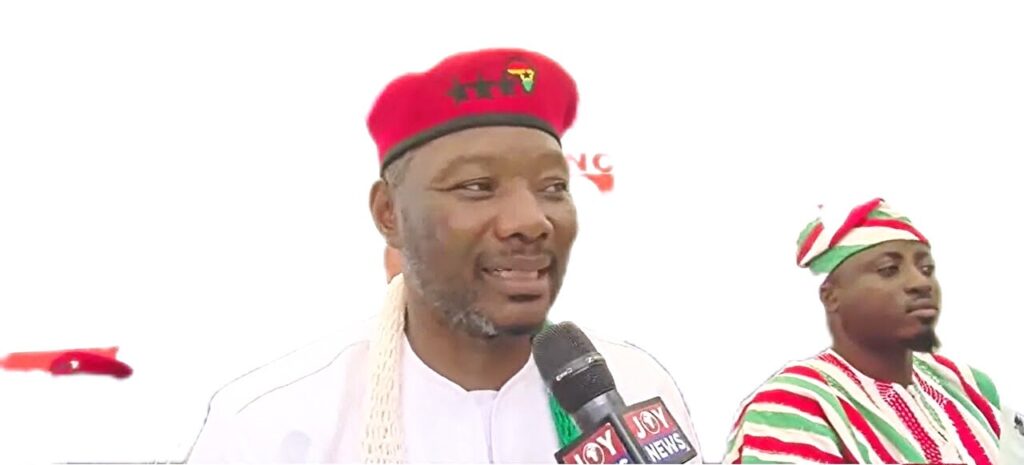
Bernard Mornah, the leader of the People’s National Convention (PNC) and a prominent civil society activist in Ghana, has called on the government to cease complaints about the ongoing crisis in the cocoa sector and instead take decisive action by arresting those responsible for the “mess.”
His statement aligns with widespread frustration over issues plaguing the sector, including:
- Low producer prices and recent reductions (e.g., debates around the 2025/26 season pricing at GH¢51,660 per tonne, amid global price fluctuations and local financing challenges).
- Alleged mismanagement and corruption at institutions like the Ghana Cocoa Board (COCOBOD), with calls from farmers and opposition groups for probes into officials.
- Smuggling, unpaid farmer debts, destruction of farms due to galamsey (illegal small-scale mining), and systemic failures that have led to reduced output and farmer hardship.
The cocoa sector faces debt burdens, foreign funding dependencies (which the current administration under President Mahama aims to phase out by raising domestic bonds and using cedis for purchases), and environmental threats like galamsey destroying cocoa farmlands.
Cheddar Sued By Forestry Commission Over Illegal Tiger..
Mornah’s position echoes sentiments from cocoa farmers (e.g., in Western North Region demonstrations and calls for arrests of COCOBOD officials over alleged fund mismanagement) and critics who argue that government rhetoric without enforcement perpetuates the problems. He has historically been vocal on related issues like galamsey as a symptom of poverty and poor governance, urging stronger state control over extractive sectors.
This comes amid recent reforms announced by the government (February 2026), including emergency Cabinet sessions on cocoa viability, plans to stop foreign-funded cocoa purchases, and efforts to boost local processing. However, critics like Mornah insist on accountability through arrests rather than ongoing complaints or bailouts that burden national debt.
The “mess” likely refers to interconnected challenges: farmer protests over payments/delays, smuggling incentives due to price disparities, galamsey encroachment, and institutional accountability gaps.