| UNITED NATIONS |
As discussions gather pace over the appointment of the next Secretary-General of the United Nations, attention is increasingly turning to the need for greater gender equality at the highest level of global leadership.
Among the names being mentioned for the position are four women and two men, reigniting calls for the UN to appoint its first-ever female Secretary-General.
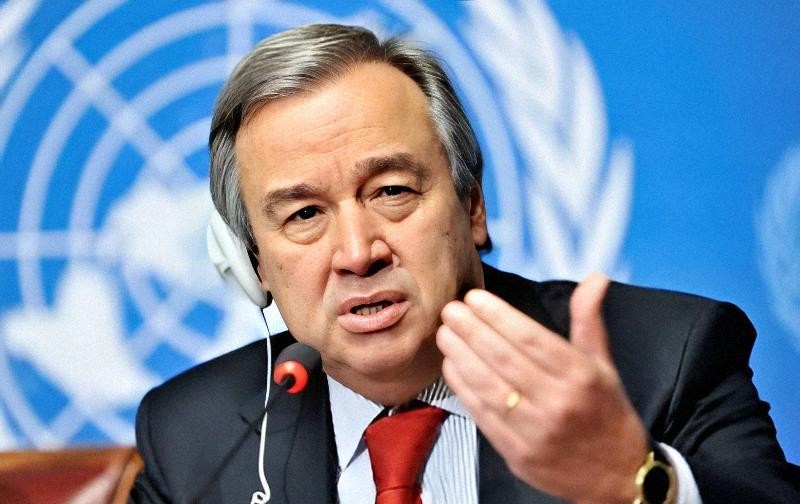
Since its establishment in 1945, the United Nations has had nine Secretary-Generals, all of whom have been men. Critics argue that this record sends the wrong message about gender equality, particularly for an organisation that champions women’s rights, inclusion, and equal opportunities around the world.
Vallejo Fined For Saying Women Cannot Handle Big Matches
The debate has prompted a broader question: How do we explain to our children—especially our daughters—that in the 80-year history of the United Nations, no woman has ever been considered qualified enough to lead the organisation?
Supporters of a female Secretary-General say appointing a woman would not simply be symbolic but would reflect the wealth of experienced and accomplished women who have led governments, international organisations, and major global institutions. They argue that the UN should embody the values of equality and representation that it promotes internationally.
The selection of the next UN Secretary-General is expected to attract global attention, with member states weighing experience, diplomatic credentials, leadership ability, and the capacity to navigate an increasingly complex international landscape.
Whoever is ultimately chosen, the appointment is likely to shape the future direction of the United Nations and renew debate about diversity, representation, and gender equality in global governance.